Above-Ground vs Inground Pool: The Real Cost Difference
The all-in cost of above-ground vs inground pools plus resale impact.
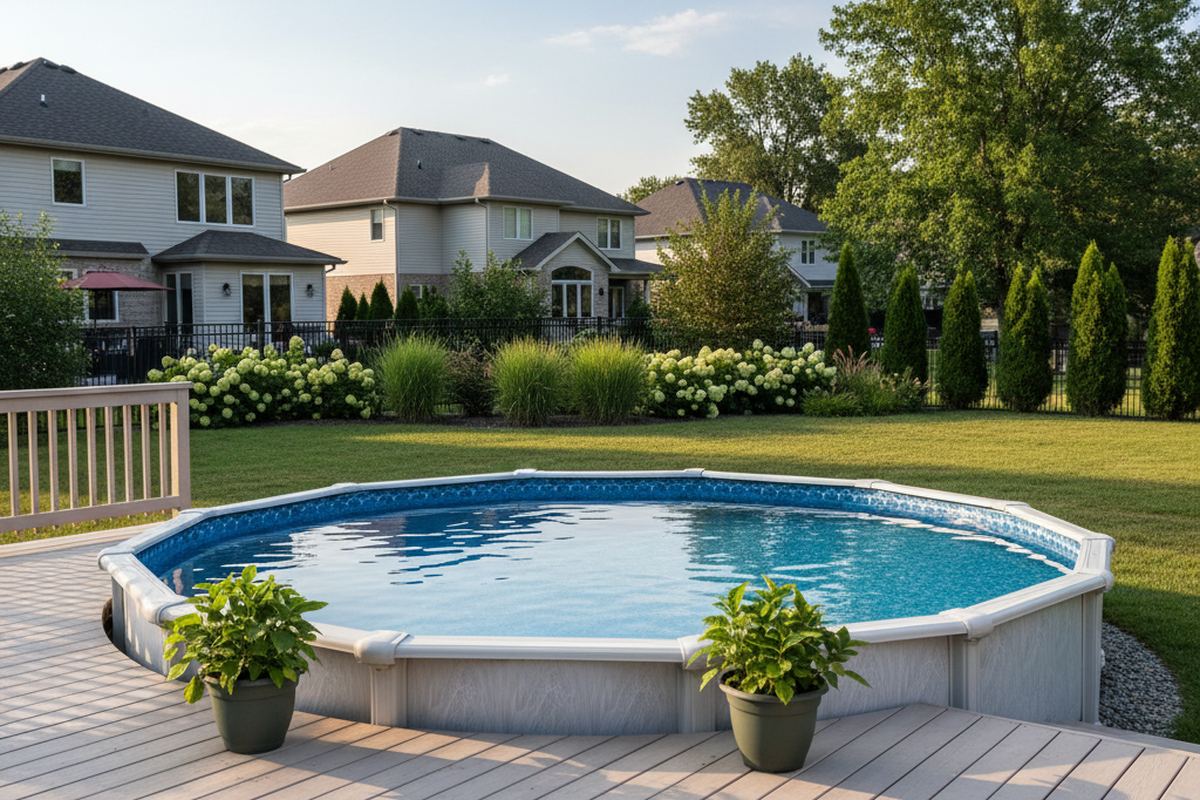
Deciding between an above-ground and an inground pool involves more than just initial purchase price; it's a decision with long-term financial implications for your home and lifestyle. Homeowners often underestimate the full scope of expenses, from installation and landscaping to ongoing maintenance and utility costs. Understanding these differences upfront can help you make an informed choice that aligns with your budget and maximizes your enjoyment. This guide breaks down the true cost variations between these two popular pool types.
Initial Purchase and Installation: A Clear Divide
The most significant difference between above-ground and inground pools lies in their upfront costs. For an above-ground pool, the pool kit itself can range from $2,000 to $10,000, depending on size, materials, and features. Installation, if professionally handled, typically adds another $1,000 to $5,000. Many homeowners opt for DIY installation to save on labor, reducing this initial outlay. This makes above-ground pools a more accessible option for those on a tighter budget.
Inground pools, by contrast, demand a substantially larger initial investment. A basic vinyl liner inground pool might start around $35,000 to $60,000, while fiberglass options often fall between $50,000 and $85,000. Concrete (gunite/shotcrete) pools, known for their durability and customization, can easily cost $70,000 to $150,000 or more. These figures include excavation, installation, and basic decking, but do not yet account for significant landscaping or premium features.
Site Preparation and Landscaping: Hidden Expenses
Even above-ground pools require some site preparation. The ground must be level, often necessitating professional grading or the addition of sand. This can add $500 to $2,500 to the total cost. Furthermore, homeowners often want to integrate the pool into their backyard aesthetic, which might involve building a deck or patio around it, ranging from a few thousand dollars for a simple wooden deck to over $10,000 for more elaborate structures.
For inground pools, site preparation is a major component of the cost. Extensive excavation is required, and soil removal can be an additional charge. Landscaping around an inground pool is almost always necessary to create a cohesive outdoor living space. This can include fencing (often legally required), concrete decking, pavers, plantings, and outdoor lighting, easily adding $10,000 to $30,000 or more to the project's overall expense. The complexity of your yard and desired aesthetics will heavily influence this category.
Ongoing Maintenance: A Continuous Commitment
Both pool types require ongoing maintenance, including chemicals, cleaning, and equipment upkeep. For an above-ground pool, annual chemical costs are typically $300 to $800, and electricity for the pump might add $150 to $400 per season. Filters, skimmers, and other minor equipment may need replacement every few years, costing $50 to $300. The smaller volume of water generally means lower chemical and energy consumption compared to inground pools.
Inground pools incur higher maintenance costs due to their larger size and more complex systems. Annual chemical expenses can range from $600 to $1,500, and electricity for pumps and heaters can add $500 to $1,500 annually, depending on usage and local energy rates. Equipment like pumps, filters, and heaters are more robust and expensive to replace, potentially costing $1,000 to $5,000 every 5-10 years. Professional cleaning and opening/closing services can add another $500 to $1,500 per year.
Estimate real inground and above-ground pool cost — build plus annual upkeep — in under a minute.
Open the Pool Cost EstimatorRepairs and Lifespan: Long-Term Considerations
Above-ground pools generally have a shorter lifespan, typically 7 to 15 years for the pool structure itself, though liners may need replacement every 5-9 years at a cost of $500 to $2,000. Repairs are usually less complex and less expensive. Punctures in liners can often be patched, and if the structure itself is compromised, replacement of the entire unit is sometimes more cost-effective than extensive repairs.
Inground pools offer significantly greater longevity. Fiberglass pools can last 20-30 years, vinyl liner pools 15-25 years (with liner replacements every 7-12 years costing $4,000-$8,000), and concrete pools 50+ years with proper care and resurfacing every 10-20 years ($10,000-$20,000). While individual repairs can be more costly, the overall lifespan often makes them a better long-term investment in terms of durability. Major repairs, such as plumbing leaks, can run into several thousands of dollars.
Insurance and Property Taxes: Often Overlooked
Adding any pool to your property typically impacts your homeowner's insurance. Insurers view pools as an 'attractive nuisance,' increasing liability risk. For an above-ground pool, you might see an annual increase in premiums of $50 to $200. It is crucial to inform your insurance provider and ensure adequate liability coverage is in place.
Inground pools, being a permanent structure, generally have a more significant impact on both insurance premiums and property taxes. Insurance increases can range from $100 to $500 annually, depending on your location, coverage, and the pool's features. Furthermore, an inground pool is considered a home improvement that adds value, leading to an increase in your property's assessed value and, consequently, higher annual property taxes. This increase can vary widely but might add several hundred to over a thousand dollars to your annual tax bill.
Resale Value Impact: An Investment or a Liability?
An above-ground pool typically adds minimal, if any, resale value to a home. In some cases, if poorly maintained or if the buyer does not want a pool, it could even be a deterrent. Most real estate agents suggest that an above-ground pool is seen as a temporary amenity rather than a permanent home feature, making its financial return on investment negligible at the time of sale.
An inground pool, especially a well-maintained and aesthetically integrated one, can increase a home's resale value. However, this increase is rarely dollar-for-dollar. Homeowners can generally expect to recoup about 50% to 70% of their inground pool investment at resale, depending on the local market, pool quality, and overall backyard appeal. In competitive markets or warmer climates, the return can be higher, while in cooler regions, it might be lower or even a neutral factor.
- Above-ground pool: Minimal to no impact on resale value.
- Inground pool: Potential to recoup 50-70% of investment, market dependent.
- Poorly maintained pools of any type can detract from resale value.
The bottom line
The choice between an above-ground and an inground pool extends far beyond the initial price tag. Consider the full lifecycle costs, including installation, ongoing maintenance, and potential impact on insurance and home value. By carefully evaluating these factors, you can select the pool type that best fits your financial situation and lifestyle expectations for years to come.
Get more guidance like this in your inbox
Weekly emergency-fund tactics, milestone checklists, and the next article — delivered free.
Run your own number
Get a personalized emergency fund target based on your income, expenses, and job stability.
Open the calculator