Why Flooring Must Acclimate 48+ Hours Before Install
Skipping acclimation is the #1 cause of buckling and gaps — here's the right process.
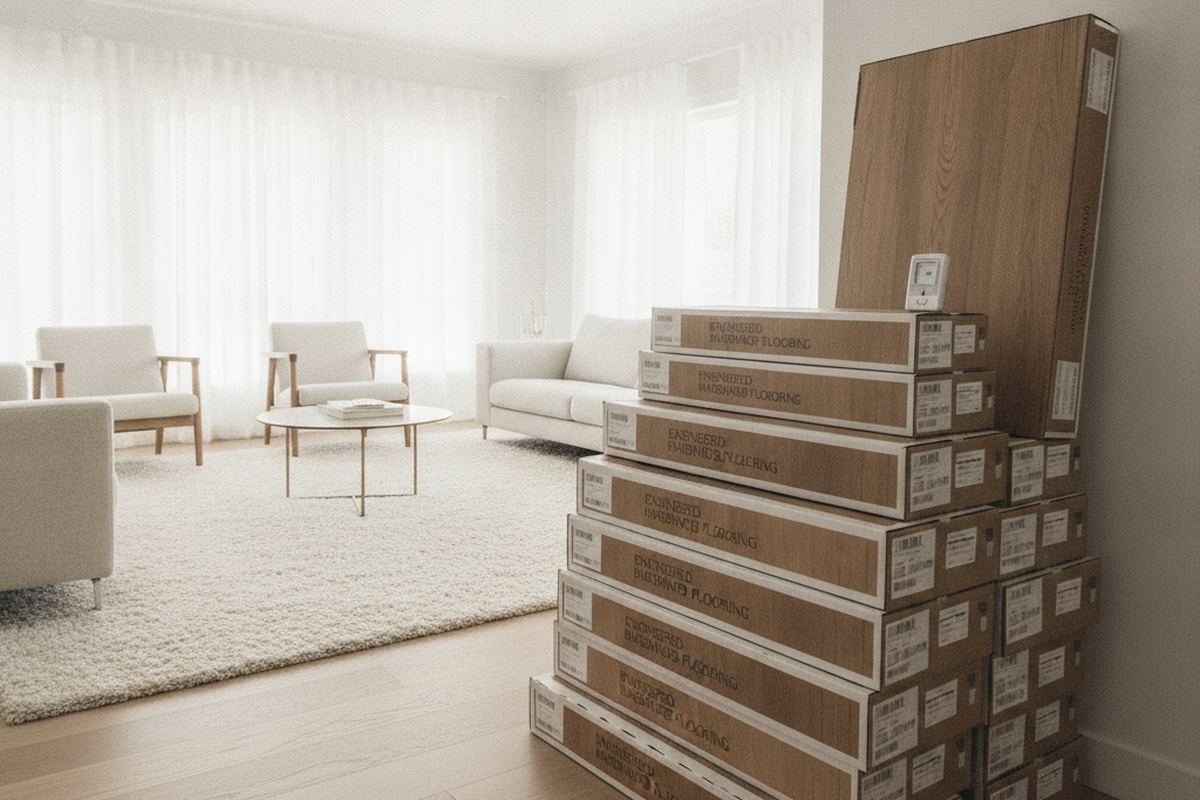
When investing in new flooring, the desire to see the finished product can be strong. However, rushing the installation process, particularly by skipping a crucial step called acclimation, can lead to significant and costly problems down the line. Acclimation is the process of allowing your new flooring materials to adjust to the temperature and humidity conditions of your home before they are installed. This seemingly simple step is vital for the longevity and appearance of your floors, preventing issues like warping, gapping, and buckling. Understanding why and how to properly acclimate your flooring can save you from future headaches and ensure your investment holds up for years.
Understanding Material Responses to Environment
Different flooring materials, particularly those made from natural wood or engineered wood, are hygroscopic. This means they absorb and release moisture, causing them to expand and contract. When flooring is manufactured and shipped, it encounters various environmental conditions. Bringing it directly into your home, which has its own unique temperature and humidity profile, without allowing it to stabilize can cause the material to react unpredictably after installation.
Consider a scenario where flooring is delivered from a cool, dry warehouse to a warm, humid home. The material will absorb moisture from the air, causing it to expand. If installed immediately in this expanded state, it will contract as it dries out, leading to unsightly gaps between planks. Conversely, if it comes from a warm, humid environment to a cool, dry home, it will shrink, potentially causing planks to buckle or cup as they try to return to their original moisture content.
Preventing Common Flooring Failures
The primary reason for acclimating flooring is to prevent common installation failures such as buckling, cupping, gapping, and crowning. Buckling occurs when planks expand after installation and have nowhere to go, forcing them upwards. Gapping, as mentioned, happens when planks shrink and pull apart. Cupping refers to the edges of a plank rising higher than its center, while crowning is the opposite, with the center rising higher than the edges. All these issues compromise the aesthetic and structural integrity of your new floor.
These problems are not merely cosmetic; they can affect the durability and lifespan of your flooring, potentially leading to premature wear and tear. Repairing or replacing a failed floor due to improper acclimation can be significantly more expensive and disruptive than taking the time for the initial acclimation period. Manufacturers often void warranties if proper acclimation guidelines are not followed, leaving homeowners responsible for the full cost of repairs.
Minimum Acclimation Times by Material
The required acclimation time varies depending on the type of flooring material. Solid hardwood and engineered wood typically require the longest periods, often between 48 to 72 hours, but some manufacturers recommend up to 5-7 days. Laminate flooring usually needs at least 48 hours. Vinyl plank and tile, while generally more stable, still benefit from 24 to 48 hours of acclimation to prevent minor expansions or contractions.
Always consult the manufacturer's specific instructions, as these guidelines can vary. Factors like the thickness of the material, the ambient conditions of your home, and the climate you live in can all influence the ideal acclimation duration. It is almost always better to allow for a longer acclimation period than a shorter one, especially for wood-based products.
- Solid Hardwood: 48-72 hours (or more)
- Engineered Wood: 48-72 hours (or more)
- Laminate: 48 hours
- Vinyl Plank/Tile: 24-48 hours
Estimate flooring cost by square footage and material — with waste factor and install labor baked in.
Open the Flooring Cost CalculatorThe Proper Acclimation Process
To properly acclimate your flooring, first ensure your home's HVAC system is operating normally for several days prior to delivery and throughout the acclimation period. Maintain the temperature and humidity levels that will be typical for your home once the flooring is installed. Unpack the flooring from its shipping cartons, but keep it in its original packaging if possible, or stack it in small, loose piles. Do not remove any plastic wraps until just before installation.
Lay the flooring flat in the rooms where it will be installed. Do not store it in a garage, basement, or other unconditioned space. Allow air to circulate around the bundles by separating them slightly. For wood products, consider using spacers between layers if stacking. This ensures that all surfaces of the material are exposed to the ambient conditions, allowing for even moisture exchange. Continuously monitor your home's temperature and humidity during this time.
Temperature and Humidity: Key Factors
Maintaining stable temperature and humidity levels in your home is paramount during acclimation. For most flooring types, a temperature range between 60-80°F (15-27°C) and a relative humidity range of 30-50% is recommended. Extreme fluctuations outside these ranges can stress the material and hinder proper acclimation. Using a hygrometer to monitor humidity is advisable, especially in areas prone to seasonal changes.
If your home's environment is significantly outside these ranges, you may need to adjust your HVAC settings or use humidifiers/dehumidifiers to bring conditions within the recommended parameters. Failing to do so means the flooring will acclimate to an environment it won't consistently experience, potentially leading to issues once normal conditions resume. Think of it as preparing the flooring for its permanent home, not just a temporary stop.
Beyond Acclimation: Subfloor Preparation
While acclimation is critical, it is just one component of a successful flooring installation. Proper subfloor preparation is equally important. The subfloor must be clean, dry, flat, and structurally sound. Any unevenness in the subfloor can transfer through to the new flooring, creating an uneven surface or causing undue stress on the planks, leading to premature wear or separation.
Ensure the subfloor is free of debris, dust, and moisture. Address any squeaks or loose areas in plywood subfloors. For concrete subfloors, conduct moisture tests to ensure they are adequately dry. Proper preparation lays the foundation for a durable and aesthetically pleasing floor, complementing the benefits gained from thorough acclimation and maximizing your flooring investment.
The bottom line
Acclimating your flooring is a non-negotiable step that protects your investment and ensures the long-term beauty and functionality of your new floors. While it requires patience, the time spent allowing materials to adjust to your home's environment is a small price to pay to avoid costly repairs and frustrations. By following manufacturer guidelines and understanding the science behind material responses, you can confidently install a floor that will stand the test of time.
Get more guidance like this in your inbox
Weekly emergency-fund tactics, milestone checklists, and the next article — delivered free.
Run your own number
Get a personalized emergency fund target based on your income, expenses, and job stability.
Open the calculator