ADUs and In-Law Suites: The 2026 ROI Reality
The 2026 cost and rental ROI of building an ADU or in-law suite.
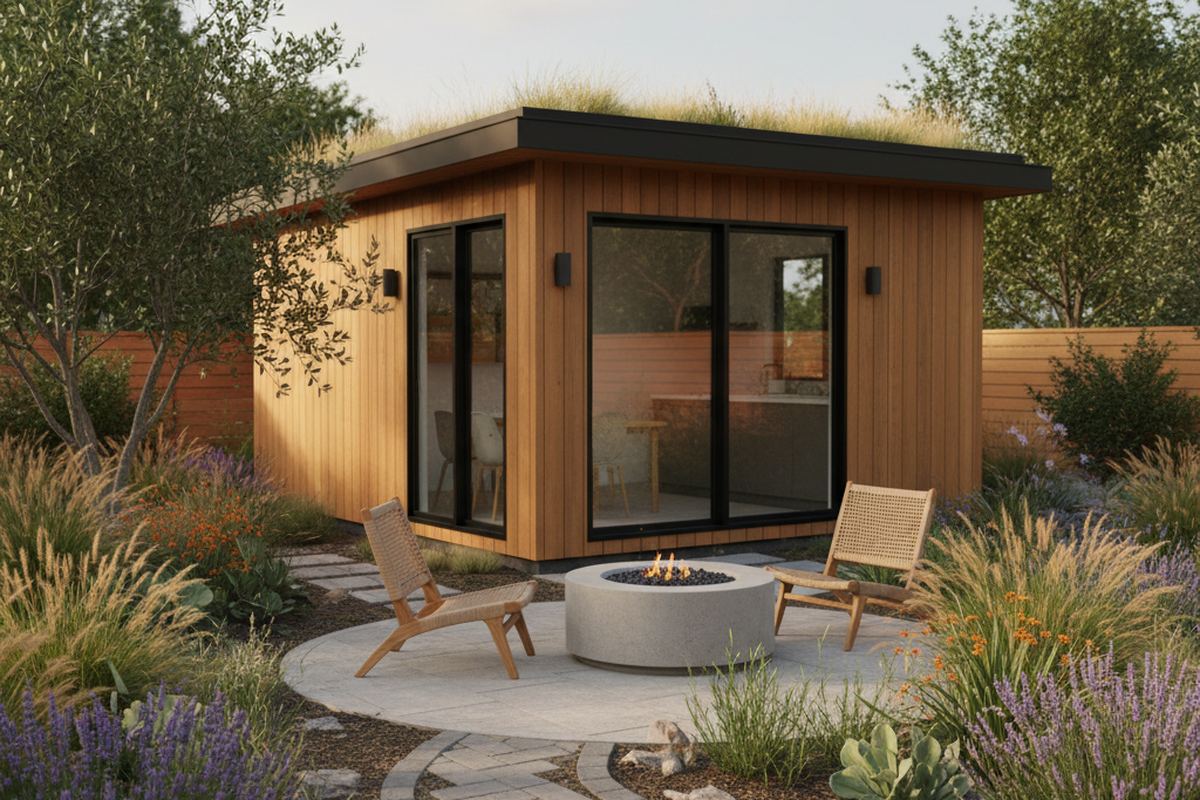
Accessory Dwelling Units (ADUs) and in-law suites are increasingly popular additions for homeowners considering property enhancements. These structures offer flexible living arrangements, from housing family members to generating rental income. Understanding the financial implications, particularly the return on investment (ROI) by 2026, is crucial before embarking on such a project. This guide breaks down the costs, potential returns, and factors influencing profitability for these valuable home additions.
Defining ADUs and In-Law Suites
An Accessory Dwelling Unit (ADU) is a secondary housing unit on a single-family residential lot. It can be an attached addition to the main house, a converted garage, or a newly constructed detached structure. ADUs typically include a kitchen, bathroom, and sleeping area, functioning as a complete independent living space.
In-law suites are often synonymous with ADUs but can also refer to a dedicated living area within the main home, designed for an aging parent or another family member. While they may share utilities or an entrance with the primary residence, the goal is to provide a degree of independence. Both ADUs and in-law suites add significant functional space to a property, impacting its overall value and utility.
Typical Construction Costs for 2026
The cost of building an ADU or in-law suite varies widely based on location, size, and finishes. For a detached new construction ADU, homeowners can expect to pay between $150,000 and $350,000. This includes permits, foundations, framing, utilities, and interior finishes. Converting an existing structure, like a garage, can be less expensive, ranging from $80,000 to $200,000, depending on the extent of structural work and utility hookups required.
Attached ADUs or in-law suites that expand the main home typically fall within the $100,000 to $250,000 range. These figures are estimates for 2026 and are subject to local labor costs, material prices, and the complexity of the design. High-end finishes, custom designs, and challenging site conditions can push these costs higher, while more basic designs and standard materials can keep them lower.
- Detached ADU: $150,000 - $350,000
- Garage Conversion: $80,000 - $200,000
- Attached ADU/In-Law Suite: $100,000 - $250,000
Rental Income Potential and ROI
One of the most compelling reasons to build an ADU or in-law suite is the potential for rental income. Depending on your market, a well-appointed ADU could generate $1,500 to $3,500 per month in rent by 2026. This income stream can significantly offset mortgage payments or provide a steady revenue source. For example, an ADU costing $200,000 and renting for $2,000 per month could yield an annual gross income of $24,000, leading to a respectable cash-on-cash return, before expenses.
The ROI from rental income is calculated by dividing the annual net rental income by the total cost of the ADU. A typical cash-on-cash return for ADUs can range from 4% to 8%, depending on construction costs, rental rates, and operating expenses like property taxes, insurance, and maintenance. Local zoning laws and rental market demand play a critical role in determining achievable rental rates and, consequently, your ROI.
See the real resale ROI on your renovation — before you swing a hammer.
Open the Renovation ROI CalculatorImpact on Property Value
Beyond rental income, an ADU or in-law suite can significantly boost your property's resale value. Studies suggest that properties with ADUs can see an increase in value ranging from 15% to 30% or more, depending on the market and the quality of the ADU. For a home valued at $600,000, a 20% increase would add $120,000 to its market price.
The added square footage, independent living space, and income-generating potential make homes with ADUs highly attractive to a wider range of buyers, including those seeking multi-generational living options or investment properties. While the added value may not always directly equal the construction cost, the enhanced functionality and market appeal often result in a strong overall return upon sale.
Navigating Regulations and Permits
Before any construction begins, understanding local zoning laws and obtaining the necessary permits is paramount. Regulations for ADUs vary significantly by city and state, covering aspects like size limits, setback requirements, parking, and utility connections. Some municipalities actively encourage ADU construction through streamlined permitting processes or fee waivers, while others maintain stricter controls.
Failing to secure proper permits can lead to costly delays, fines, or even the forced demolition of the structure. It is advisable to consult with your local planning department or a knowledgeable architect/contractor early in the process to ensure compliance. This step is critical for a smooth construction process and to guarantee the legality and insurability of your new unit.
Considerations for Lifestyle and Future Needs
While financial returns are a key driver, the lifestyle benefits of an ADU or in-law suite are equally important. These units offer flexibility for multi-generational living, allowing aging parents to live nearby while maintaining independence, or providing space for adult children. They can also serve as a dedicated home office, a guest suite, or a space for caregivers.
Considering your long-term needs is vital. Will the unit be used by family, rented out, or a combination? The design and amenities should reflect its intended purpose. A well-designed ADU can adapt to various uses over time, enhancing your home's functionality and providing a valuable asset that grows with your family's evolving requirements.
Maximizing Your ADU Investment
To maximize the ROI of your ADU or in-law suite, focus on cost-effective construction methods without compromising quality. Prioritize functional layout and durable, low-maintenance materials. Energy-efficient features, such as good insulation and efficient appliances, can attract renters and reduce utility costs, further boosting your net income.
Researching your local rental market thoroughly will help you set competitive rental prices and understand tenant demand. Engaging with experienced contractors who specialize in ADU construction can help navigate challenges and ensure the project is completed efficiently and within budget. A thoughtful approach to design, construction, and management will position your ADU for strong financial and lifestyle returns.
The bottom line
Building an ADU or in-law suite represents a significant investment, but one with the potential for substantial financial and lifestyle returns. By carefully planning for construction costs, understanding rental market dynamics, and navigating regulatory requirements, homeowners can leverage these additions to enhance property value and generate passive income. Consider your personal needs and market conditions to determine if an ADU is the right fit for your home.
Get more guidance like this in your inbox
Weekly emergency-fund tactics, milestone checklists, and the next article — delivered free.
Run your own number
Get a personalized emergency fund target based on your income, expenses, and job stability.
Open the calculator