The Annual Home Maintenance Checklist (Free Printable)
A month-by-month home maintenance checklist that keeps small problems small.
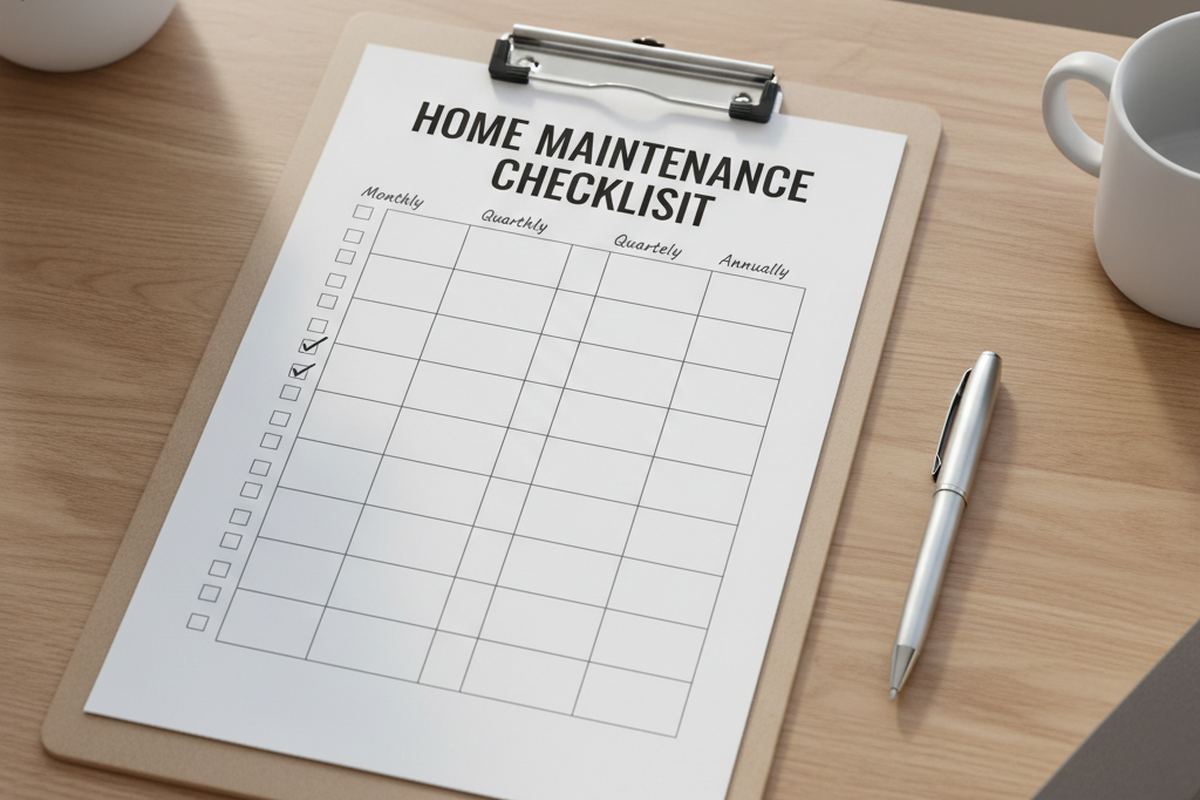
Owning a home is a significant investment, and protecting that investment requires consistent attention. Just like a car needs regular oil changes, your home benefits from a proactive maintenance schedule. Neglecting small issues can lead to larger, more expensive problems down the line, impacting both your finances and your peace of mind. Establishing an annual maintenance routine helps you stay ahead of potential repairs and preserves your home's value.
Understanding the 'Why' Behind Regular Maintenance
Many homeowners view maintenance as a chore, but it's more accurately seen as preventative care. Regularly inspecting and addressing minor wear and tear can prevent catastrophic failures. For instance, cleaning gutters annually prevents water damage to your roof and foundation, which can cost thousands to repair if left unchecked. A small investment of time and effort today can save substantial money and stress tomorrow.
Beyond avoiding costly repairs, consistent maintenance contributes to a healthier and safer living environment. Checking smoke detectors and carbon monoxide alarms, inspecting electrical outlets, and maintaining HVAC systems directly impact your family's safety and air quality. It also ensures your home operates efficiently, potentially reducing utility bills by optimizing systems like insulation and heating.
Estimating Your Maintenance Budget
A common guideline for home maintenance budgeting is to set aside 1% to 4% of your home's value annually. For a home valued at $400,000, this translates to an estimated $4,000 to $16,000 per year. This range accounts for variables like the age of your home, local climate, and the condition of major systems. Newer homes might lean towards the lower end, while older homes or those with more complex systems might require more.
It's crucial to distinguish between routine maintenance and unexpected repairs. Your maintenance budget should cover planned activities like HVAC servicing, gutter cleaning, and minor repairs. Major unforeseen expenses, such as a sudden roof replacement or water heater failure, are typically covered by a separate emergency fund. Having both a dedicated maintenance fund and an emergency reserve provides comprehensive financial protection for your home.
Seasonal Maintenance Priorities
Breaking down maintenance tasks by season makes the process more manageable. Spring often focuses on exterior checks after winter, such as inspecting the roof, cleaning gutters, and checking siding. Summer is ideal for outdoor projects like deck sealing or exterior painting. Fall prepares your home for colder weather, with tasks like furnace checks and winterizing outdoor faucets.
Winter typically involves indoor tasks, including checking smoke and carbon monoxide detectors, cleaning oven and dryer vents, and ensuring proper insulation. This seasonal approach helps distribute the workload throughout the year, preventing a daunting list of tasks from accumulating. It also aligns tasks with optimal weather conditions for their completion.
- Spring: Inspect roof and gutters, test outdoor spigots, check foundation for cracks.
- Summer: Clean and inspect deck/patio, check exterior paint, trim shrubs and trees.
- Fall: Winterize outdoor faucets, service furnace, clean gutters, check weatherstripping.
- Winter: Test smoke/CO detectors, clean dryer vent, inspect insulation, check for drafts.
See what to set aside every month for home maintenance — with the 1% and $1/sq ft rules and age adjustments.
Open the Home Maintenance Budget CalculatorKey Systems and Their Maintenance Needs
Three critical systems in your home demand regular attention: HVAC, plumbing, and electrical. HVAC systems should be serviced professionally at least once a year, ideally before heating and cooling seasons. This includes changing filters monthly or quarterly, cleaning coils, and checking refrigerant levels. Proper HVAC maintenance ensures efficiency, extends system life, and maintains indoor air quality.
Plumbing maintenance involves checking for leaks, inspecting water heater anode rods every 3-5 years, and regularly cleaning drains to prevent clogs. Electrical systems require less frequent professional intervention, but homeowners should routinely check outlets for loose connections, ensure GFCI outlets are working, and be aware of any flickering lights or burning smells. Addressing these issues promptly can prevent hazards.
Developing Your Personalized Checklist
While general checklists provide a good starting point, a truly effective maintenance plan is tailored to your specific home. Consider the age of your home, the materials used, and your local climate. For example, a home in a humid region might require more frequent mold inspections, while one in a snowy climate needs robust roof and gutter care. Documenting your home's unique features allows for a more precise plan.
Regularly review and update your checklist based on your home's evolving needs. After completing a task, note the date it was done and any observations. This creates a valuable history that helps anticipate future needs and budget accordingly. A personalized, living checklist ensures that your maintenance efforts are always relevant and effective.
Tools and Resources for Home Maintenance
Equipping yourself with basic tools makes many maintenance tasks easier and more efficient. Essential items include a good ladder, a set of screwdrivers, pliers, a wrench, a utility knife, and safety gear like gloves and eye protection. For more specialized tasks, consider renting tools or hiring a professional. Investing in quality tools reduces frustration and improves the quality of your work.
Beyond physical tools, leverage digital resources. Many online guides and videos offer step-by-step instructions for common maintenance tasks. Consider using a digital calendar or dedicated home maintenance app to schedule reminders and track completed tasks. These resources can simplify the planning process and ensure no critical items are overlooked.
The bottom line
Proactive home maintenance is an ongoing commitment that pays dividends in comfort, safety, and financial security. By establishing a routine, budgeting wisely, and addressing issues promptly, you can protect your investment and enjoy your home for years to come. Start by identifying your home's specific needs and building a sustainable maintenance plan.
Get more guidance like this in your inbox
Weekly emergency-fund tactics, milestone checklists, and the next article — delivered free.
Run your own number
Get a personalized emergency fund target based on your income, expenses, and job stability.
Open the calculator