Annual Pool Upkeep Cost: The Numbers Nobody Tells You
Chemicals, energy, water, opening and closing — the real annual pool cost.
Considering a backyard pool is exciting, but the initial installation cost is only part of the financial picture. Many homeowners overlook the ongoing expenses that accumulate year after year. Understanding these annual upkeep costs upfront is crucial for responsible budgeting and avoiding financial surprises. This guide breaks down the various components of annual pool maintenance, providing realistic estimates for 2026.
Chemicals and Water Treatment
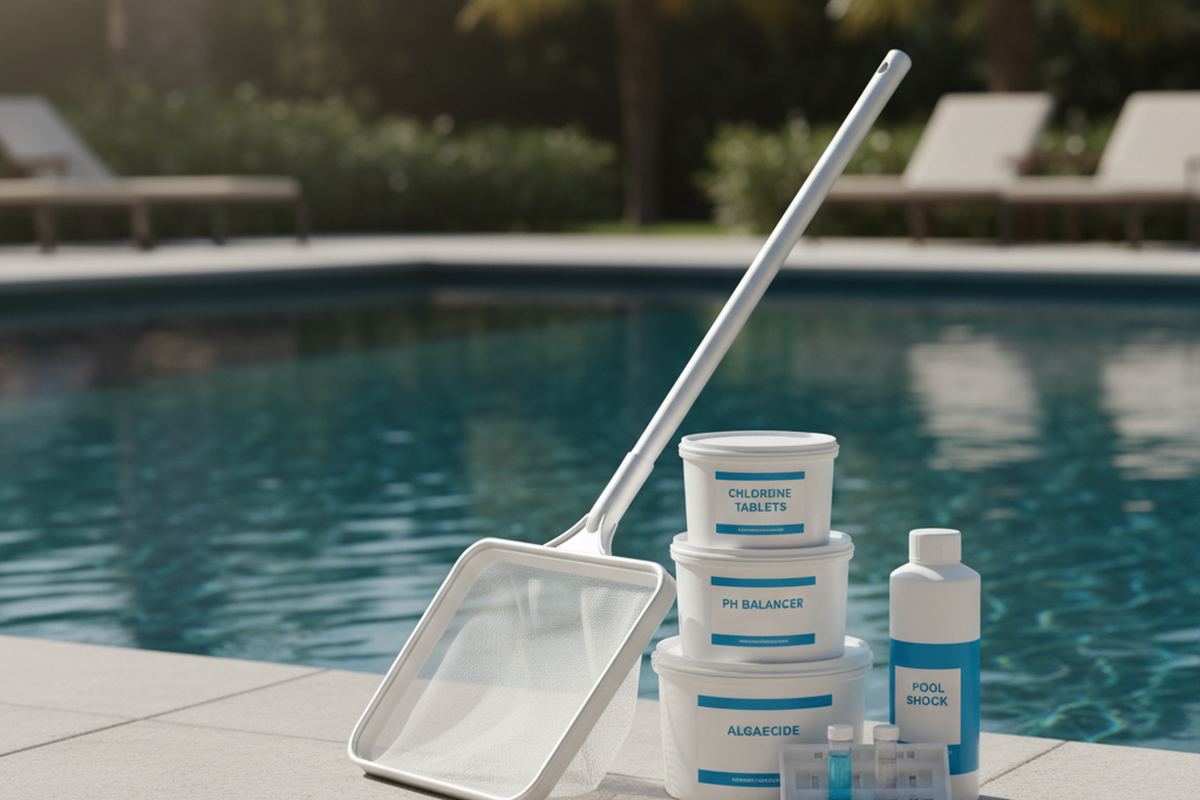
Maintaining proper water chemistry is essential for a clean and safe pool. This involves regular testing and adding chemicals like chlorine, pH adjusters, alkalinity increasers, and algaecides. The specific amounts needed depend on pool size, usage, sunlight exposure, and local water quality. Expect to spend a significant portion of your budget here, as imbalances can lead to more costly problems.
For an average 15,000 to 20,000-gallon residential pool, annual chemical costs can range from $300 to $800. This estimate assumes regular DIY testing and treatment. If you opt for professional water balancing services, these costs will increase significantly. Saltwater pools, while reducing direct chlorine purchases, still require salt, acid, and cell cleaning solutions.
- Chlorine (granular or tablets)
- pH increaser/decreaser
- Alkalinity increaser
- Calcium hardness increaser
- Algaecide
- Test strips or liquid test kits
Energy Consumption for Pumps and Heaters
Your pool pump is likely the largest energy consumer among your pool equipment. It needs to run daily to circulate water and filter out debris. The run time depends on pool size, filter type, and bather load, typically between 8 to 12 hours per day. Variable-speed pumps can significantly reduce energy usage compared to single-speed models, offering long-term savings.
Heating your pool, especially in cooler climates or during extended swimming seasons, adds substantially to energy bills. Gas heaters, electric heat pumps, and solar heaters all have different operating costs. For a typical pool, expect annual energy costs for pumping to range from $400 to $1,200, depending on pump efficiency and local electricity rates. Heating costs can add another $200 to $1,500 or more, depending on usage and energy source.
Water Refills and Evaporation
Pools naturally lose water through evaporation, splashing, and backwashing the filter. This lost water needs to be replenished regularly, adding to your annual utility bill. Leak detection and repair can prevent excessive water loss, but some level of refilling is always necessary. The amount of water needed varies significantly based on climate, pool surface area, and usage.
On average, a pool can lose 0.25 to 0.5 inches of water per day to evaporation. For a 20,000-gallon pool, annual water replenishment could range from 10,000 to 30,000 gallons. At an average water cost of $2.50 to $5.00 per 1,000 gallons, this translates to annual water costs of $50 to $150, though this can be higher in very arid regions or for larger pools.
Estimate real inground and above-ground pool cost — build plus annual upkeep — in under a minute.
Open the Pool Cost EstimatorRoutine Cleaning and Maintenance Supplies
Even with a good filtration system, manual cleaning is often necessary. This includes skimming debris, brushing walls and floors, and vacuuming. Basic cleaning tools such as skimmer nets, brushes, and manual vacuum heads are initial purchases, but wear and tear mean they need occasional replacement. Robotic pool cleaners can automate much of this work, but they represent an upfront investment and may require part replacements over time.
Beyond the initial purchase, expect to replace brushes, nets, and hoses every few years. Robotic cleaner parts like filters or treads might need annual or biennial replacement. These smaller costs can add up, typically ranging from $50 to $200 annually for supplies, depending on how diligently you maintain your equipment and if you opt for automated solutions.
Seasonal Opening and Closing Costs
For homeowners in regions with distinct seasons, professional pool opening and closing services are common. Opening involves removing the winter cover, cleaning the pool, reassembling equipment, and performing initial chemical treatments. Closing entails cleaning, winterizing plumbing and equipment, and installing the winter cover. These specialized services ensure your pool is properly prepared for extreme temperatures, preventing damage.
While some homeowners choose to do this themselves, professional services offer peace of mind and expertise. The cost for a professional opening typically ranges from $200 to $400, and closing services are similarly priced, often between $250 and $500. This means an annual expenditure of $450 to $900 for seasonal transitions if you opt for professional help.
Repairs, Replacements, and Unexpected Expenses
Like any major home system, pool equipment has a lifespan and will eventually require repairs or replacement. Pumps typically last 8-15 years, filters 5-10 years, and heaters 5-10 years. Liners, if applicable, might need replacement every 10-15 years. Budgeting for these larger, infrequent costs is crucial to avoid financial strain when they occur.
It's prudent to set aside an emergency fund for unexpected issues such as leaks, motor failures, or sensor malfunctions. An annual allocation of $200 to $500 for general repairs and a longer-term savings plan for major equipment replacement is a realistic approach. Over a 10-year period, these costs can average $2,000 to $5,000 beyond routine maintenance.
Professional Cleaning and Service (Optional)
Many pool owners opt for weekly or bi-weekly professional cleaning and maintenance services. This can save significant time and ensure consistent water quality and equipment health. A professional service typically includes skimming, vacuuming, brushing, emptying skimmer baskets, backwashing the filter, and balancing chemicals. This is a convenience cost, not a necessity for all owners.
The cost for a weekly or bi-weekly pool service varies by location, pool size, and included services. Expect to pay between $100 to $200 per month, translating to an annual cost of $1,200 to $2,400. This expense can significantly reduce your personal time commitment but also represents a substantial addition to your overall annual pool budget.
The bottom line
Owning a pool offers enjoyment and value, but it comes with a predictable set of annual expenses. By understanding these ongoing costs for chemicals, energy, water, and maintenance, you can create a realistic budget. Factor in potential repair costs and the convenience of professional services to ensure your pool remains a source of pleasure, not financial stress.
Get more guidance like this in your inbox
Weekly emergency-fund tactics, milestone checklists, and the next article — delivered free.
Run your own number
Get a personalized emergency fund target based on your income, expenses, and job stability.
Open the calculator