Asphalt vs Metal Roof: 30-Year Cost Comparison
Total cost of ownership for asphalt shingle vs standing-seam metal roofs over 30 years, including replacement cycles.
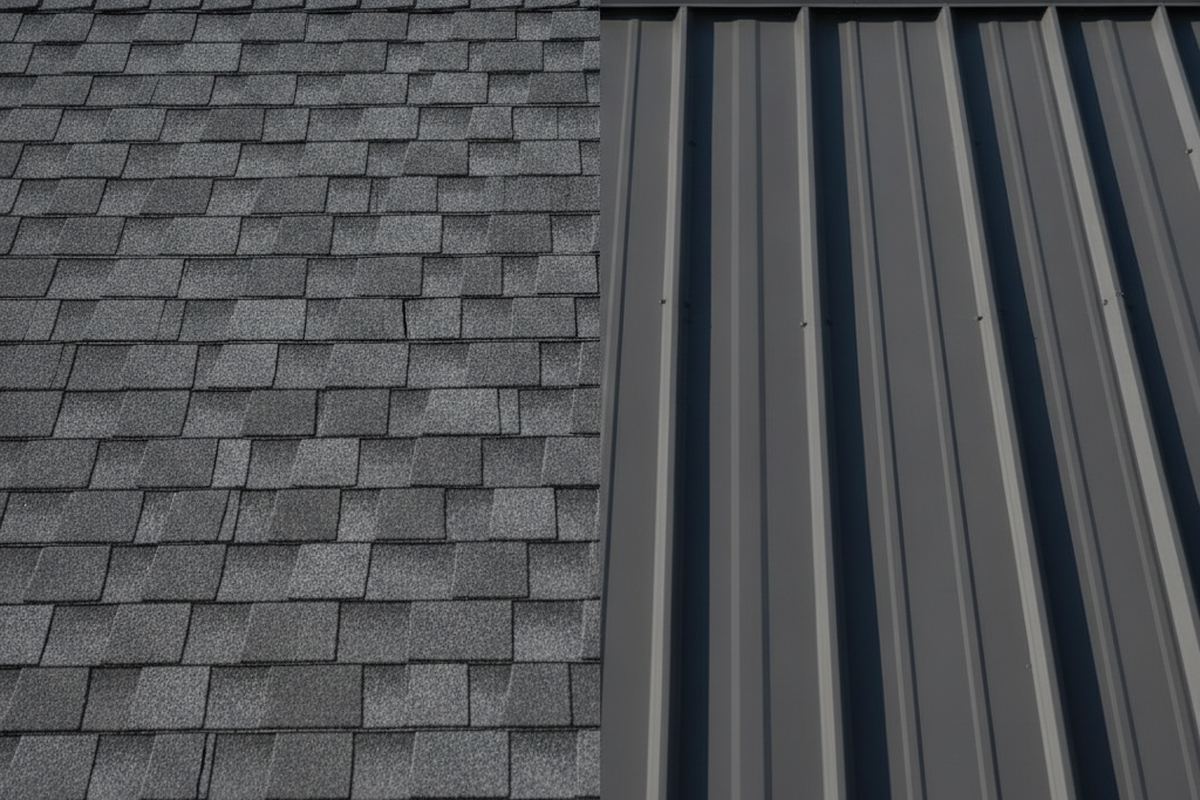
Choosing a new roof is a significant decision for any homeowner, impacting both your budget and your home's long-term protection. When planning a roof replacement for 2026, two leading options often emerge: traditional asphalt shingles and modern metal roofing. Understanding the total cost of ownership over a 30-year period, which includes initial installation and potential future replacements, is crucial for making an informed choice. This analysis will break down the financial aspects of each material, helping you decide which best fits your home and financial goals.
Initial Installation Costs for 2026
In 2026, the upfront cost for a new roof remains a primary consideration. Asphalt shingle roofs are generally more affordable to install. For a typical 2,000 square foot home, you might expect to pay between $8,000 and $15,000 for a standard architectural asphalt shingle roof. This cost includes materials, labor, and removal of the old roof, varying based on roof complexity, regional labor rates, and the specific shingle quality chosen.
Metal roofs, particularly standing seam options, have a higher initial price tag. For the same 2,000 square foot home, installation costs in 2026 could range from $20,000 to $40,000. This premium reflects the higher material cost of steel or aluminum, specialized installation techniques, and the longer lifespan of the product. While the initial investment is greater, understanding the long-term value is essential.
Understanding Lifespan and Replacement Cycles
The lifespan of your chosen roofing material directly impacts its total cost of ownership. Architectural asphalt shingles typically last between 20 to 30 years, depending on climate, installation quality, and maintenance. This means that over a 30-year period, you would likely need one asphalt shingle roof, potentially nearing its end of life, or even a full replacement depending on when the first roof was installed within that window.
Metal roofs, especially standing seam, boast a significantly longer lifespan, often lasting 40 to 70 years, and sometimes even longer. For a 30-year ownership period, a metal roof would typically be a one-time investment. This extended durability is a key factor in its long-term cost effectiveness, as it eliminates the need for a second roof replacement within the same timeframe.
Maintenance and Repair Expenses
Both asphalt and metal roofs require some level of maintenance, though the frequency and cost can differ. Asphalt shingles may require more frequent inspections, especially after severe weather, to check for cracked, missing, or curling shingles. Minor repairs, such as replacing a few shingles, might cost a few hundred dollars, but these can accumulate over time. Algae or moss growth can also necessitate cleaning, adding to maintenance routines.
Metal roofs generally require less routine maintenance. Inspections should still be conducted to check for loose fasteners or sealant issues, particularly around penetrations like vents and chimneys. While individual repairs for metal can be more complex and potentially more expensive if specialized labor is needed, the overall frequency of repairs tends to be lower due to the material's inherent durability and resistance to common issues like moss or impact damage.
Estimate roof replacement cost by square footage, pitch, and material — get a realistic 2026 number in under a minute.
Open the Roof Replacement CalculatorEnergy Efficiency and Long-Term Savings
Energy efficiency is another factor contributing to the total cost of ownership. Lighter-colored asphalt shingles, often labeled 'cool roofs,' can reflect some solar radiation, potentially reducing cooling costs. However, standard dark asphalt shingles can absorb a significant amount of heat, transferring it into the attic space and increasing air conditioning demand during warmer months.
Metal roofs excel in energy efficiency. Many metal roofing systems are available with reflective coatings that can significantly reduce heat absorption, lowering attic temperatures by 10-12 degrees Fahrenheit and potentially cutting cooling costs by 10% to 25%. Some metal roofs also allow for a vented air space between the roof deck and the metal panels, further enhancing insulation and contributing to long-term energy savings.
Resale Value and Insurance Considerations
The type of roof can influence your home's resale value. A new asphalt shingle roof generally offers a good return on investment, often recouping 60% to 70% of its cost upon sale, especially if it's relatively new. It's a standard expectation for many buyers, and a fresh roof can be a strong selling point.
Metal roofs often add a premium to a home's value due to their longevity, aesthetic appeal, and durability. Buyers may view a metal roof as a significant upgrade, potentially increasing the home's marketability and value more substantially than an asphalt roof. Additionally, some insurance companies offer discounts for metal roofs due to their superior resistance to fire, high winds, and impact damage, which can translate to ongoing savings on premiums.
30-Year Cost Comparison Example (2026)
Let's consider a hypothetical 2,000 sq ft home over 30 years. An asphalt shingle roof might have an initial cost of $12,000. Given its 20-30 year lifespan, you might anticipate one full replacement during the 30-year period, costing another $12,000 (adjusted for inflation, perhaps $15,000). Add $1,000-$2,000 in minor repairs over both roofs, totaling roughly $28,000-$30,000 over 30 years, not accounting for potential energy cost differences.
For a metal roof, the initial installation might be $30,000. With a 40-70 year lifespan, no replacement would be needed within the 30-year period. Maintenance costs might be lower, perhaps $500-$1,000 over 30 years. Factoring in potential energy savings of $200-$500 annually (totaling $6,000-$15,000 over 30 years), the net 30-year cost could range from $16,000-$24,500. This example highlights how the higher initial cost of metal can be offset by longevity and energy efficiency over the long term.
- Asphalt Shingle (30-Year Estimate): ~$28,000 - $30,000 (initial + replacement + repairs)
- Metal Roof (30-Year Estimate): ~$16,000 - $24,500 (initial + repairs - energy savings)
The bottom line
The choice between asphalt and metal roofing for your 2026 project involves weighing initial costs against long-term value. While asphalt offers a lower upfront expense, metal roofing often provides superior durability, energy efficiency, and a lower total cost of ownership over a 30-year period. Evaluate your budget, desired lifespan, and local climate to determine which option best aligns with your home improvement goals.
Get more guidance like this in your inbox
Weekly emergency-fund tactics, milestone checklists, and the next article — delivered free.
Run your own number
Get a personalized emergency fund target based on your income, expenses, and job stability.
Open the calculator