Why New Parents Need a Bigger Emergency Fund
How much to add to your emergency fund the moment you find out you're expecting.
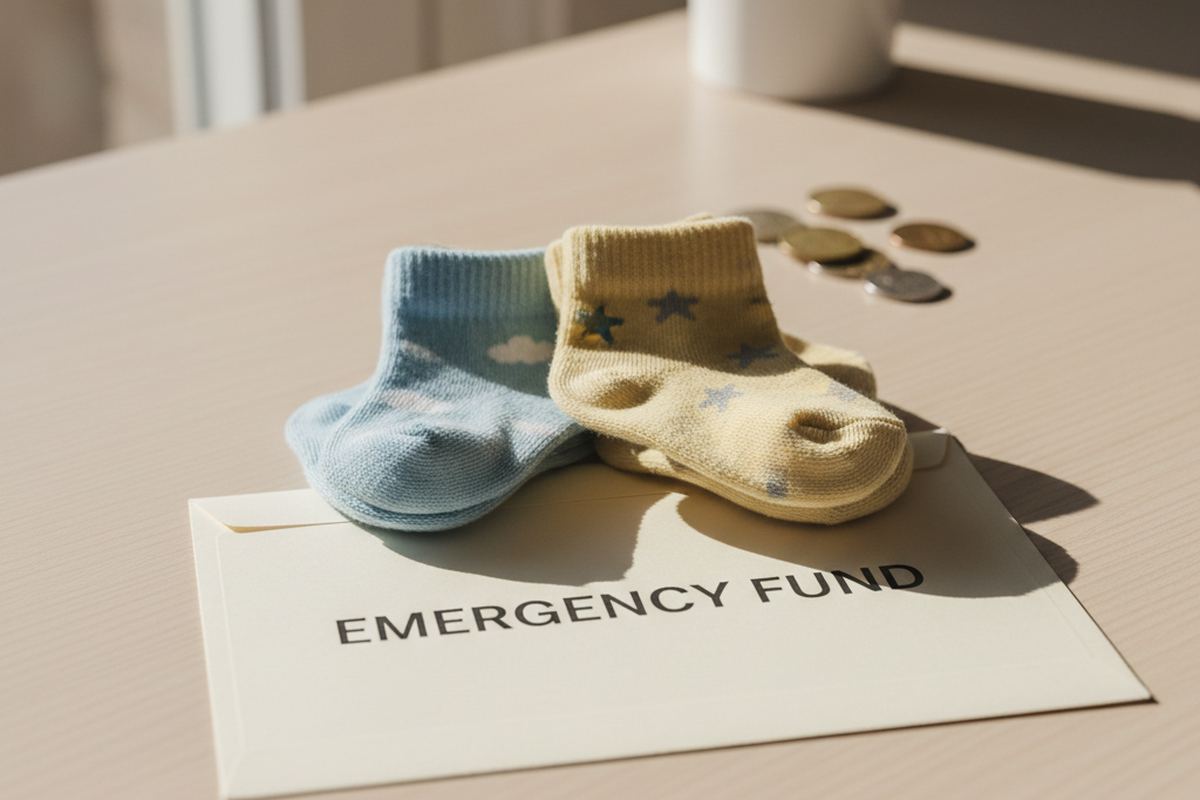
Preparing for a new baby involves many exciting steps, from decorating the nursery to choosing a name. However, one critical financial task often overlooked by expecting parents is reassessing their emergency fund. The financial landscape shifts considerably with a new family member, introducing new expenses and potential income disruptions. Understanding these changes proactively can help you build a more secure financial foundation for your growing family.
Understanding the True Cost of a New Baby
The expenses associated with a new baby extend far beyond diapers and formula. While those are significant, consider the less obvious costs like increased utility bills due to more laundry, higher grocery bills as needs change, and potential medical co-pays or deductibles for pediatrician visits. Even seemingly small purchases, like baby-safe cleaning supplies or a humidifier, add up quickly.
Beyond immediate needs, there are often one-time outlays for essential equipment like car seats, strollers, and cribs. These can range from hundreds to thousands of dollars, depending on preferences and brands. Factoring in these diverse and sometimes unexpected costs is crucial for accurate emergency fund planning, ensuring you're not caught off guard by the financial demands of parenthood.
Anticipating Income Fluctuations and Parental Leave
One of the most significant financial impacts for new parents is the potential for reduced income during parental leave. While some employers offer paid leave, many do not, or the paid period may be shorter than desired. If one parent takes unpaid leave, or if both parents experience a temporary reduction in work hours, your household income could decrease substantially for several weeks or months.
This income dip can strain a budget that hasn't been adjusted for new baby expenses. A robust emergency fund acts as a buffer, covering essential living costs during these periods of reduced earnings. Planning for this scenario well in advance allows you to enjoy parental leave without the added stress of financial insecurity, ensuring you can focus on your new family.
Budgeting for Unforeseen Medical Expenses
Even with good health insurance, the first year of a baby's life often involves more medical costs than anticipated. There are numerous well-child visits, potential urgent care visits for common infant ailments like colds or fevers, and possibly specialist consultations. Deductibles, co-pays, and out-of-pocket maximums can quickly accumulate, especially if your baby requires any unexpected medical attention.
For example, a typical family deductible might be $3,000 to $6,000, which you could realistically meet within the first year if your baby has a few health issues. Your emergency fund should be sizable enough to absorb these potential medical bills without derailing your other financial goals. It's about preparedness for a range of health outcomes, not just the best-case scenario.
Estimate the real first-year cost of a new baby — gear, diapers, formula, childcare — in under a minute.
Open the Baby Budget CalculatorThe General Recommendation: 3-6 Months of Expenses
The standard financial advice recommends having three to six months' worth of essential living expenses saved in an emergency fund. This benchmark provides a safety net for job loss, unexpected home repairs, or other major financial shocks. For expecting parents, this baseline needs to be re-evaluated to reflect the new, higher cost of living.
To calculate your new baseline, first determine your current monthly expenses, then add projected baby-related costs. For instance, if your pre-baby monthly expenses were $4,000 and you anticipate an additional $800 per month for the baby, your new monthly total is $4,800. Therefore, your emergency fund target would increase to between $14,400 (three months) and $28,800 (six months) to cover these new expenses.
Why New Parents Should Aim for 6-9 Months
Given the unique financial vulnerabilities that come with a new baby – potential income reduction from parental leave, increased medical costs, and higher general expenses – aiming for an emergency fund that covers six to nine months of living expenses is a more prudent approach. This expanded buffer accounts for the increased complexity and unpredictability of family finances.
Consider that finding a new job might take longer if you have a young infant, or that childcare costs could be a significant barrier to returning to work quickly. A larger fund provides greater peace of mind and flexibility, allowing you to prioritize your family's well-being over immediate financial pressures during challenging times. This extra cushion is an investment in your family's stability.
Practical Steps to Build Your Enhanced Fund
Start by creating a detailed budget that incorporates all anticipated baby expenses, including both one-time and recurring costs. Identify areas where you can temporarily reduce discretionary spending to free up more cash for savings. Consider setting up an automatic transfer from your checking to your savings account each payday, even if it's a small amount to begin with.
If you receive a tax refund, work bonuses, or monetary gifts for the baby, allocate a significant portion directly to your emergency fund. Every additional dollar saved contributes to your family's security. The goal is to incrementally build this fund so that by the time your baby arrives, you have a solid financial cushion in place, ready to navigate the first year with greater confidence.
Where to Stash Your Emergency Savings
Your emergency fund should be easily accessible but separate from your everyday checking account. A high-yield savings account is an ideal choice, as it offers a better interest rate than traditional savings accounts while keeping your money liquid. Look for accounts that don't have monthly fees or minimum balance requirements that could erode your savings.
Avoid investing your emergency fund in volatile assets like stocks, as you might need the money quickly and cannot risk a market downturn. The primary purpose of this fund is safety and accessibility, not aggressive growth. Having these funds readily available ensures you can address unexpected expenses without incurring debt or disrupting your long-term financial plans.
The bottom line
Building a larger emergency fund before your baby arrives is a strategic financial move that offers significant peace of mind. It prepares you for the inevitable increased costs, potential income shifts, and unforeseen circumstances that come with welcoming a new family member. Prioritizing this financial buffer allows you to focus on the joys of parenthood with greater confidence and less stress.
Get more guidance like this in your inbox
Weekly emergency-fund tactics, milestone checklists, and the next article — delivered free.
Run your own number
Get a personalized emergency fund target based on your income, expenses, and job stability.
Open the calculator