Baby Gear: Must-Have vs Nice-to-Have (The Honest List)
The baby gear worth buying new, worth buying used, and worth skipping entirely.
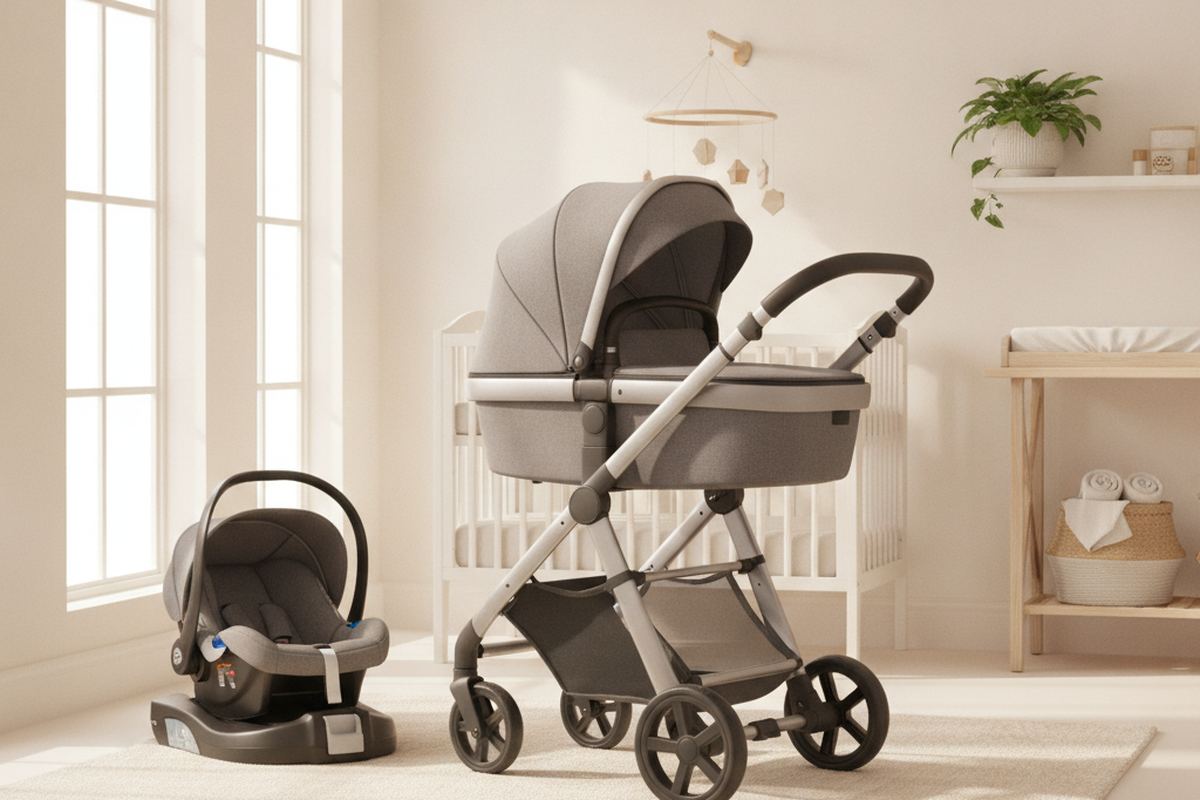
Preparing for a new baby involves many decisions, especially when it comes to budgeting for essential gear. The sheer volume of products marketed to new parents can be overwhelming, making it difficult to discern what is truly necessary from what is merely convenient or trendy. This guide aims to provide a clear, data-oriented perspective on baby gear, helping you allocate your resources wisely for your baby's first year. Understanding the difference between 'must-have' and 'nice-to-have' items is crucial for financial planning during this significant life change.
Prioritizing Safety and Health Essentials
Certain baby items are non-negotiable due to safety regulations and their direct impact on your child's well-being. A car seat is paramount; it must be new or have a known, clean history without accidents, and within its expiration date. Infant car seats typically range from $100 to $300, with convertible options costing $150 to $400. Similarly, a safe sleep space, such as a crib or bassinet, is essential. New cribs generally cost between $150 and $500, while bassinets are usually $70 to $250. Always ensure these items meet current safety standards.
Beyond car seats and sleep spaces, health and hygiene items hold high priority. A reliable thermometer, nail clippers, and a bulb syringe are crucial for basic care. Diapers and wipes will be a continuous expense, with costs varying significantly based on brand and quantity. Expect to spend $60 to $100 per month on these consumables. For feeding, whether formula or breastfeeding, bottles, formula (if applicable), and cleaning supplies are necessary. Sterilizers and bottle warmers, while convenient, are often 'nice-to-have' rather than 'must-have' items.
- Infant car seat (new or pristine used): $100 - $300
- Crib or bassinet (new or pristine used): $70 - $500
- Diapers and wipes: $60 - $100/month
Smart Spending on Nursery and Feeding Gear
Furnishing the nursery can quickly become expensive, but smart choices can lead to significant savings. While a crib is essential, a changing table might be optional. Many parents find a changing pad on a dresser or floor perfectly adequate. Dressers can be purchased new for $150 to $400 or found used for $50 to $200. A glider or rocking chair can be a comfort, but an existing comfortable chair can serve the same purpose. New gliders often cost $200 to $600.
For feeding, if you plan to breastfeed, a breast pump may be covered by insurance. If not, manual pumps are $20 to $50, and electric pumps range from $100 to $300. Bottles are a must, regardless of feeding method, with starter sets costing $20 to $50. Bibs and burp cloths, while simple, are indispensable. Consider buying these items in bulk or looking for multi-packs to save money. High chairs become necessary when babies start solids, typically around 6 months, and can range from $50 to $200.
Navigating Clothing and Diapering Needs
Babies grow rapidly, making clothing a category where 'used' often makes excellent financial sense. Focus on practical, comfortable items like onesies, sleepers, and basic bodysuits. Newborns might need 8-10 outfits, while older infants need 5-7. Expect to spend $100 to $300 on initial clothing, but subsequent purchases can be minimized through secondhand options. Avoid excessive 'special occasion' outfits that will be worn only once or twice.
Diapering is a continuous expense. While disposable diapers are convenient, reusable cloth diapers can offer long-term savings, though they require an initial investment ($150 to $400 for a full set) and more laundry. Wipes are another ongoing cost. Consider buying larger packs when on sale. Diaper pails, while popular, are not strictly necessary; a regular trash can emptied frequently can suffice, saving $30 to $80.
Estimate the real first-year cost of a new baby — gear, diapers, formula, childcare — in under a minute.
Open the Baby Budget CalculatorPlaytime and Developmental Items: Selective Purchases
Babies benefit from stimulation, but a vast array of toys is not required. Simple items like soft rattles, textured balls, and board books are excellent for early development. Many toys can be borrowed, gifted, or purchased secondhand. Playmats and activity gyms, which offer a safe space for tummy time and exploration, range from $40 to $150. These can be valuable but are often available used in good condition.
Larger developmental items like bouncers, swings, and activity centers can provide temporary relief for parents but are used for a relatively short period. Bouncers typically cost $30 to $80, and swings can be $70 to $200. Consider their short usage window and whether borrowing or buying used is a more cost-effective approach. Focus on items that encourage interaction and exploration rather than passive entertainment.
Travel and On-the-Go Convenience
Beyond the car seat, other travel items enhance convenience but are not always essential. A stroller is generally considered a must-have for most families, with basic models starting around $70 and full travel systems ranging from $200 to $600. Consider your lifestyle and terrain when choosing. A baby carrier or wrap (ranging from $30 to $150) can be a fantastic alternative or supplement to a stroller, offering hands-free mobility.
Diaper bags are practical for carrying essentials, but any large tote bag with organizational inserts can serve the same purpose, potentially saving $40 to $150. Portable playards or travel cribs ($70 to $200) are useful for visits or travel but can be borrowed or rented if needed infrequently. Focus on items that genuinely facilitate your family's mobility and comfort rather than every available gadget.
Items to Consider Skipping or Buying Used
Many items marketed to new parents fall into the 'nice-to-have' or 'skip entirely' categories. Baby food makers are often unnecessary; a blender or food processor you already own can puree baby food effectively. Wipe warmers, while seemingly convenient, offer minimal benefit and can even dry out wipes. Bottle warmers are another item that can be skipped, as bottles can be warmed in a bowl of warm water.
Consider buying used for items that don't involve stringent safety or hygiene concerns. This includes baby clothes, books, many toys, bouncers, swings, playmats, and even some strollers. Always inspect used items thoroughly for damage, missing parts, and ensure they meet current safety standards. Websites, local parent groups, and consignment shops are excellent resources for finding quality used gear at a fraction of the new price.
Budgeting for Miscellaneous and Unforeseen Costs
Even with careful planning for gear, miscellaneous expenses can add up. It's prudent to set aside a buffer for items like infant medication, special formula needs, or unexpected wardrobe changes. Many parents find themselves purchasing specific items they initially thought they wouldn't need, based on their baby's unique preferences or unexpected circumstances. A small contingency fund of $50 to $100 per month can absorb these costs without derailing your overall budget.
Beyond direct purchases, consider the cost of services. While not 'gear,' these can impact your baby budget. Examples include prenatal classes, lactation consultants, or even occasional babysitting for parental respite. Factor these potential costs into your broader financial plan for the first year. A holistic view of expenses, both tangible and service-related, provides a more realistic financial picture.
The bottom line
Thoughtful planning for baby gear can significantly impact your financial well-being during your baby's first year. By distinguishing between essential safety items and convenient additions, you can make informed purchasing decisions. Prioritize health and safety, leverage secondhand markets, and allocate funds wisely. This approach allows you to provide for your baby's needs without unnecessary financial strain.
Get more guidance like this in your inbox
Weekly emergency-fund tactics, milestone checklists, and the next article — delivered free.
Run your own number
Get a personalized emergency fund target based on your income, expenses, and job stability.
Open the calculator