The Baby Registry Strategy That Actually Saves You Money
Registry timing, item mix, and completion discounts that add up to real savings.
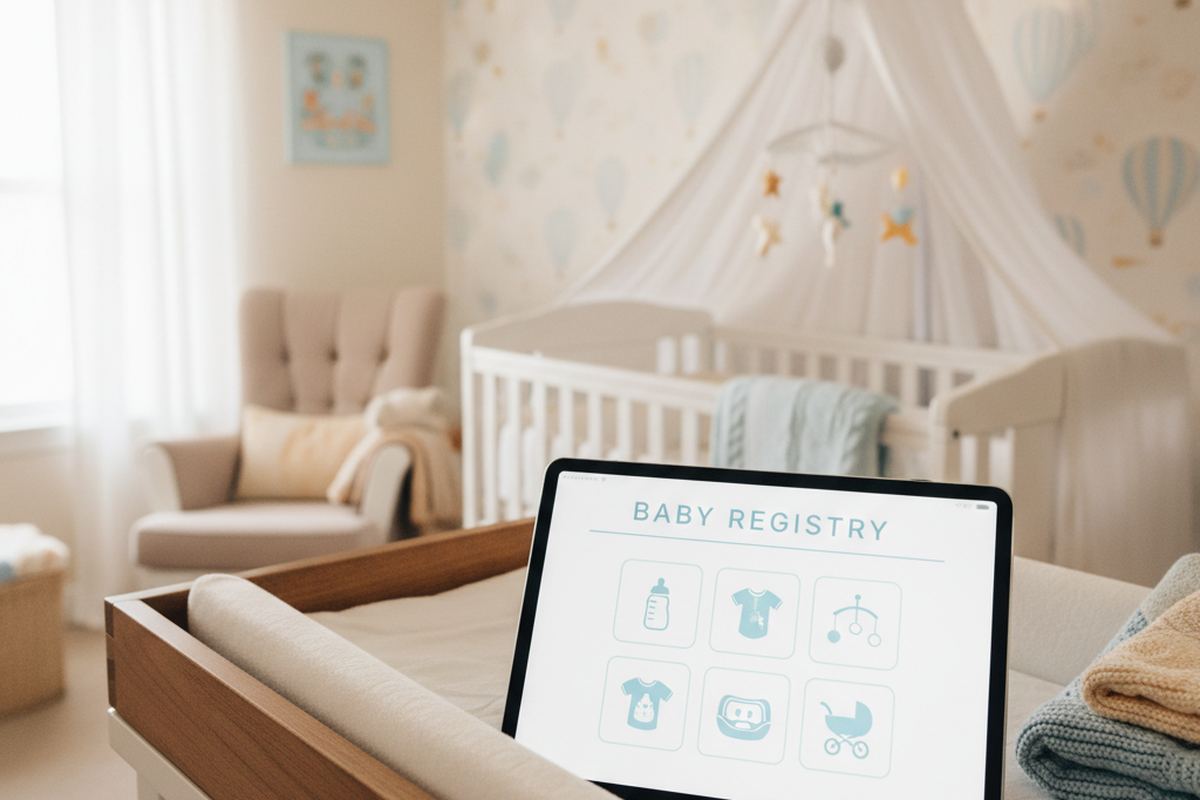
Preparing for a new baby involves many exciting decisions, but it also brings financial considerations. A well-thought-out baby registry can be a powerful tool for managing costs during your child's first year. Beyond just listing desired items, strategically planning your registry can help you acquire essentials efficiently and save a significant amount of money. This guide outlines how to optimize your baby registry to support your family's financial health from the start.
Timing Your Registry for Maximum Benefit
The timing of your baby registry can influence the discounts and offers you receive. Most retailers offer a completion discount, typically around 10% to 15%, which becomes active a few weeks before your estimated due date. Registering too early might mean this discount expires before you've had a chance to purchase all remaining necessities, while registering too late limits the time friends and family have to purchase gifts.
A practical approach is to create your initial registry around the start of your second trimester, allowing ample time for updates and for guests to shop. Aim to finalize most items by the beginning of your third trimester. This ensures you can take full advantage of completion discounts on bigger ticket items or remaining essentials roughly 4-6 weeks before your baby arrives, when the discount period is typically active.
Prioritizing Needs Over Wants
When building your registry, differentiate between must-have items and those that are convenient but not essential. Focus on core necessities like a safe car seat, a crib or bassinet, essential feeding supplies, and a foundational wardrobe. Many "baby gadgets" can be appealing but often go unused or are quickly outgrown. Consider borrowing or buying used for items with a short usage window, like a bassinet or baby swing.
Think about the first three to six months of your baby's life. What are the absolute essentials for their safety, feeding, sleep, and basic hygiene? For instance, a car seat is non-negotiable, but a wipe warmer is often a luxury. Prioritizing helps you avoid clutter and ensures your budget is allocated to what truly matters, allowing gift-givers to contribute to meaningful items.
Leveraging Completion Discounts Effectively
Completion discounts are a key financial benefit of a baby registry. Most major retailers, such as Amazon, Target, and BuyBuyBaby, offer a one-time discount, usually 10-15% off remaining registry items. These typically become available a few weeks before your due date and remain valid for a limited period, often 30-90 days. Strategically plan your purchases during this window.
To maximize this discount, add all necessary larger items, such as a stroller, crib, or glider, to your registry even if you anticipate buying them yourself. Once the discount is active, purchase these items to realize significant savings. For example, a 15% discount on a $600 stroller and crib set saves you $90, which can then be allocated to other baby expenses like diapers or formula.
Estimate the real first-year cost of a new baby — gear, diapers, formula, childcare — in under a minute.
Open the Baby Budget CalculatorConsidering Secondhand and Borrowed Items
Not every baby item needs to be brand new. Many items, especially those used for a short period, can be sourced secondhand or borrowed, significantly reducing your expenses. This includes clothing (especially for newborns, who grow quickly), baby carriers, swings, bouncers, and certain types of toys. Always ensure borrowed or secondhand items meet current safety standards, particularly for car seats and cribs.
Communicate with friends and family about what you are open to receiving secondhand. Websites and local groups dedicated to parents often have listings for gently used baby gear. Integrating these items into your plan allows you to allocate your budget and gift contributions towards new items where safety is paramount, such as a car seat, or towards ongoing consumables like diapers and wipes.
The Power of Gift Cards and Cash Funds
While traditional gifts are wonderful, gift cards and contributions to a cash fund offer valuable flexibility. Many registries allow guests to contribute to a universal fund that can be used for anything, from diapers to future childcare. Gift cards to baby stores or general retailers like Amazon provide the freedom to purchase items as needed, especially for consumables.
For example, if your baby requires a specific formula or a larger size of diapers later on, gift cards allow you to buy exactly what is necessary without being tied to specific physical gifts. A $200 gift card can cover several months of diaper costs, which can be a significant ongoing expense for new parents. Don't hesitate to include these options on your registry.
Planning for Consumables: Diapers and Wipes
Diapers and wipes are ongoing expenses that can quickly add up. While not typical registry items, you can strategically add large boxes of various diaper sizes and bulk packs of wipes to your registry. This allows generous friends and family to contribute to these practical necessities, reducing your out-of-pocket costs in the first few months. Babies typically use 8-12 diapers a day initially.
Consider adding items like a diaper subscription or gift cards specifically for diaper purchases. Some parents also host a "diaper raffle" at baby showers to encourage guests to bring diapers. Stocking up on different sizes means you are prepared as your baby grows, and you can always exchange unopened packages for different sizes if needed.
The bottom line
A thoughtful baby registry is more than just a wish list; it's a strategic financial tool. By planning ahead, prioritizing essentials, and leveraging discounts, you can significantly reduce the financial burden of welcoming a new baby. This approach allows you to focus more on enjoying those precious first moments with your child, knowing you've prepared wisely.
Get more guidance like this in your inbox
Weekly emergency-fund tactics, milestone checklists, and the next article — delivered free.
Run your own number
Get a personalized emergency fund target based on your income, expenses, and job stability.
Open the calculator