Bare Patch Lawn Repair: The 4-Step Method That Works
How to reseed dead patches so the new grass matches the surrounding lawn.
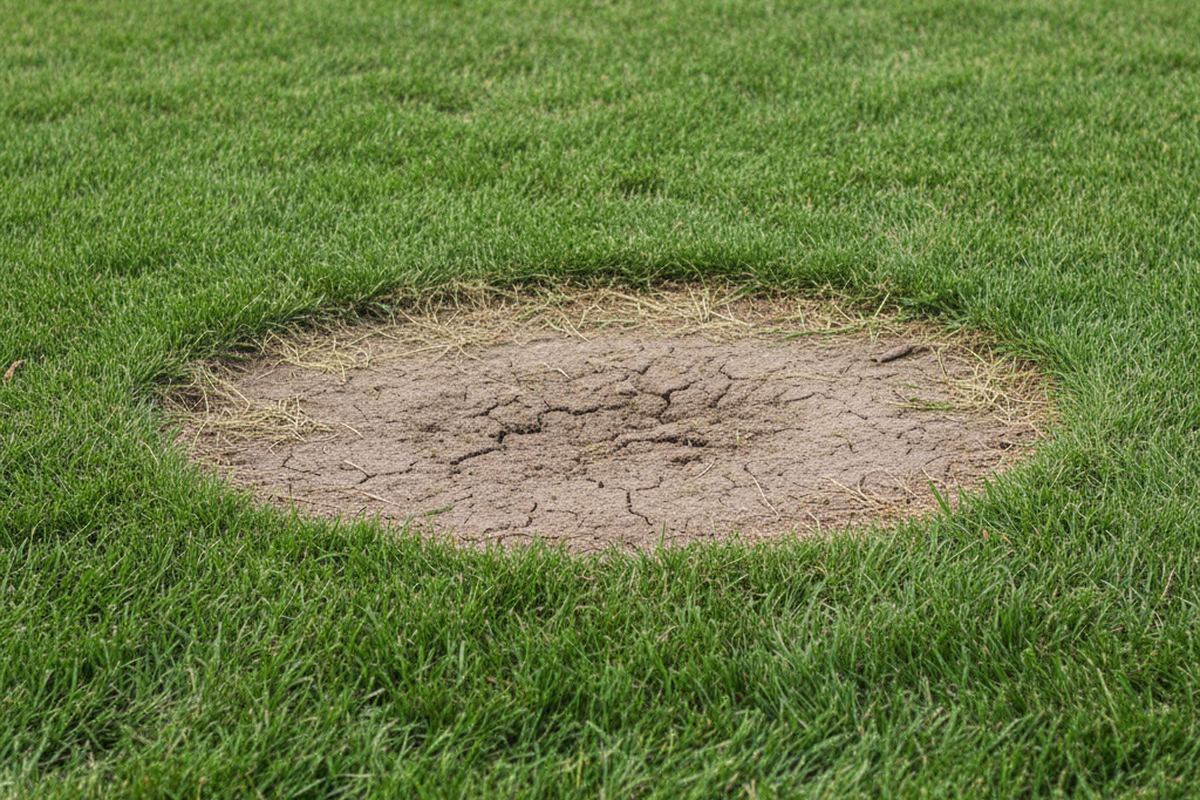
Unsightly bare patches can detract from an otherwise healthy lawn. These dead spots often result from pet activity, disease, insect damage, or heavy foot traffic. Addressing them promptly is key to maintaining a uniform, vibrant turf. This guide outlines a straightforward, four-step method for repairing bare spots, ensuring new growth integrates seamlessly with your existing lawn. Following these steps can restore your lawn's appearance and overall health.
Assess and Prepare the Area
Before applying any new seed, it's crucial to understand why the patch died and prepare the soil. First, identify the cause of the bare spot. If it was due to disease or insects, ensure the underlying issue has been resolved to prevent recurrence. For pet urine spots, flush the area thoroughly with water to dilute residual salts. Remove any dead grass, weeds, and debris from the bare patch. This clears the way for new seed to make direct contact with the soil.
Next, loosen the top 2-3 inches of soil. This can be done with a hand rake or a small garden cultivator. Loosening the soil improves aeration and allows for better root penetration for the new grass. Incorporate a thin layer (about 1/2 inch) of good quality compost or topsoil. This enriches the planting medium, providing essential nutrients and improving moisture retention, both critical for successful germination and establishment of new seedlings.
Select the Right Grass Seed
Choosing the correct grass seed is paramount for a seamless repair. The goal is for the new grass to match the existing lawn in color, texture, and growth habit. Identify your current grass type. Common cool-season grasses include Kentucky bluegrass, perennial ryegrass, and fescues, while warm-season grasses include Bermuda, Zoysia, and St. Augustine. If you are unsure, observe your lawn's characteristics or consult with a local nursery.
Once you know your existing grass type, purchase a seed blend that matches. Many seed manufacturers offer repair mixes specifically designed for common lawn types. Consider the light conditions of the bare patch; if it's shaded, opt for a shade-tolerant variety. Using a high-quality seed ensures better germination rates and a healthier, more resilient patch. Avoid generic "all-purpose" mixes unless they specifically align with your lawn's needs.
Proper Seeding and Coverage
Optimal timing for seeding is crucial. For cool-season grasses, late summer/early fall (August to October) or early spring (March to April) are ideal. For warm-season grasses, late spring/early summer (April to June) is best. These periods offer favorable soil temperatures and moisture levels for germination. Spread the chosen grass seed evenly over the prepared bare patch. A general guideline is to use about 10-15 seeds per square inch, but always follow the specific coverage rates recommended on your seed packaging.
After broadcasting the seed, lightly rake it into the top 1/8 to 1/4 inch of soil. Avoid burying the seeds too deeply, as this can hinder germination. For added protection and moisture retention, apply a thin layer of seed-starting mulch, such as peat moss, straw, or a specialized seed mat. This helps prevent birds from eating the seeds and keeps the soil moist, which is vital for successful sprouting. Do not use regular landscape mulch, as it can be too coarse and inhibit growth.
Get the exact pounds of seed you need for your lawn size, grass type, and overseeding vs new lawn.
Open the Lawn Seed CalculatorConsistent Watering and Care
Consistent moisture is the single most important factor for successful seed germination. For the first 2-3 weeks, or until the new grass is established at about 2 inches tall, the seeded area needs to be kept continuously moist. This means light watering 2-4 times a day, depending on temperature and sunlight. The goal is to keep the top inch of soil damp, not waterlogged. Avoid heavy watering that can wash away seeds or create puddles.
Once the new grass reaches mowing height (typically 2-3 inches), you can gradually reduce watering frequency and increase the duration, transitioning to your regular lawn watering schedule. Avoid applying herbicides to the newly seeded area for at least 6-8 weeks, as they can harm young seedlings. Limit foot traffic on the newly repaired patch until the grass is well-established, usually after the second or third mowing. Fertilize the new grass lightly with a starter fertilizer around 4-6 weeks after germination to support healthy root development.
- Water lightly 2-4 times daily for 2-3 weeks.
- Reduce frequency as grass matures.
- Avoid herbicides for 6-8 weeks.
- Limit foot traffic initially.
- Apply starter fertilizer after 4-6 weeks.
Monitor for Pests and Diseases
Even with careful preparation and seeding, young grass can be susceptible to pests and diseases. Regularly inspect the repaired patch for any signs of trouble. Common issues include fungal diseases, which might appear as discolored patches or thin growth, and insect infestations, which could manifest as chewed blades or wilting. Early detection allows for more effective treatment and minimizes damage to the developing turf.
If you notice any unusual symptoms, consult with a local extension office or a reputable garden center for diagnosis and treatment recommendations. Often, good cultural practices like proper watering and avoiding over-fertilization can prevent many issues. Maintaining overall lawn health will contribute to the resilience of your newly repaired areas, helping them withstand potential stressors.
Long-Term Patch Maintenance
Once your bare patch is fully blended into the surrounding lawn, integrate it into your regular lawn care routine. Continue with consistent watering, appropriate fertilization, and regular mowing at the correct height for your grass type. Aerating your lawn periodically (every 1-3 years) can also help prevent future bare spots by improving soil compaction and allowing better air, water, and nutrient penetration.
Consider overseeding your entire lawn every few years, especially for cool-season grasses. This helps to thicken the turf, fill in minor thin areas, and introduce new, more resilient grass varieties. Proactive maintenance, rather than reactive repair, is the most effective way to keep your lawn consistently healthy and free of bare spots.
The bottom line
Repairing bare patches in your lawn is a manageable task that yields significant aesthetic rewards. By following these four steps—preparation, correct seed selection, proper application, and diligent aftercare—you can effectively restore your lawn's uniformity. Consistent monitoring and integration into your overall lawn care routine will ensure these revitalized areas remain healthy and vibrant for years to come.
Get more guidance like this in your inbox
Weekly emergency-fund tactics, milestone checklists, and the next article — delivered free.
Run your own number
Get a personalized emergency fund target based on your income, expenses, and job stability.
Open the calculator