Finished Basement ROI: The 2026 Numbers
The 2026 return on finishing a basement and where the sweet spot lands.
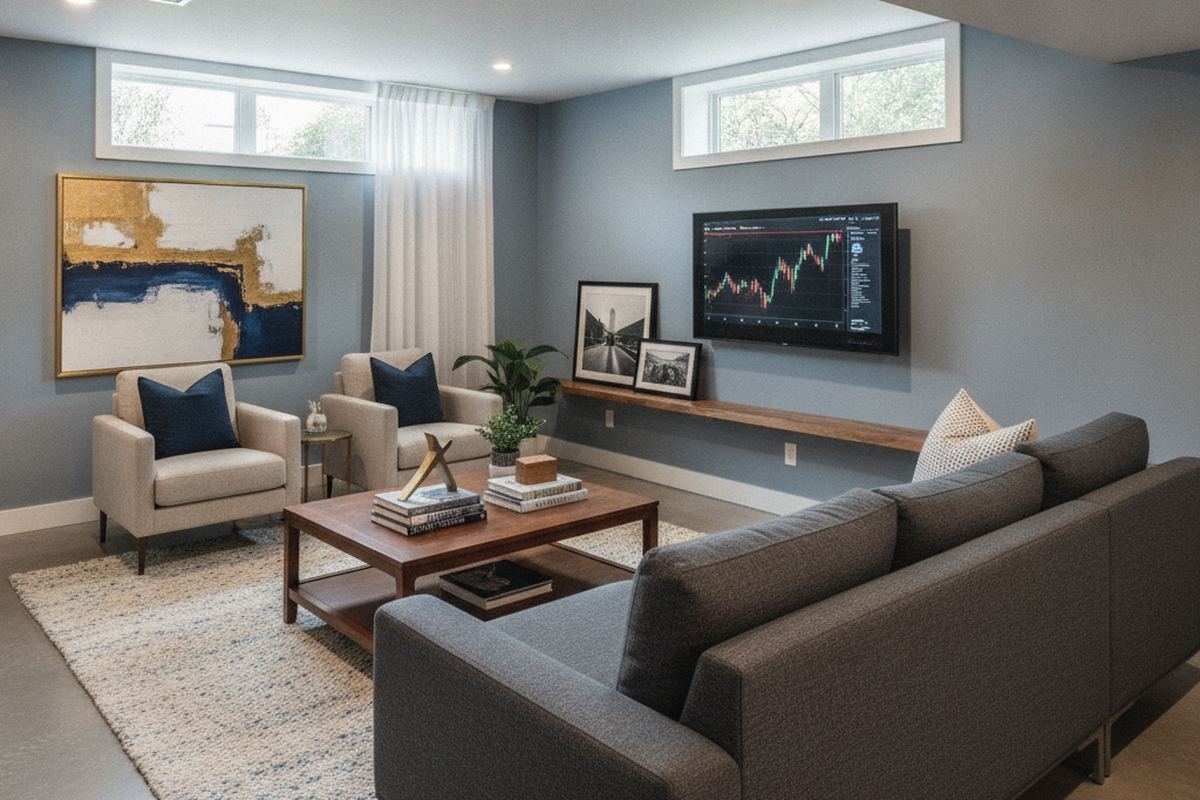
Finishing a basement is a significant home improvement project, often considered for both enhanced living space and potential resale value. For homeowners in 2026, understanding the financial implications is crucial before breaking ground. This guide explores the return on investment (ROI) for basement finishing, examining what factors influence its value and how strategic choices can maximize your financial benefits. We'll delve into the specifics that make a finished basement a worthwhile endeavor.
Understanding the ROI Landscape for Basements
The return on investment for a finished basement generally falls within a broad range, typically between 60% and 75% of the project cost. This means that if you spend $60,000 to finish your basement, you might realistically expect to recoup $36,000 to $45,000 of that investment when you sell your home. This range is influenced by various factors, including the quality of materials, the functionality added, and the local real estate market conditions.
Unlike some renovations that offer a near dollar-for-dollar return, basement finishing often provides a substantial boost in usable square footage, which is highly valued by prospective buyers. The key is to ensure the finished space seamlessly integrates with the rest of the home and meets current buyer expectations for aesthetics and utility. Overspending on luxury finishes in an otherwise mid-range home, for example, can diminish the effective ROI.
Key Factors Influencing Your Basement's Value
Several elements dictate how much value a finished basement adds. The most impactful is the inclusion of a full bathroom, which significantly increases the functionality and appeal of the space. Adding a bedroom, particularly one with an egress window, can turn a basement into a highly desirable living area, suitable for guests or multi-generational living. These additions expand the home's practical utility.
The quality of finishes also plays a crucial role. While you don't need top-tier luxury, choosing durable, attractive materials that match the home's existing style is important. Proper insulation, effective waterproofing, and good lighting are essential for creating a comfortable, inviting environment. A poorly finished or damp basement will detract from its value, regardless of the initial investment.
- Addition of a bathroom
- Inclusion of an egress bedroom
- Quality and consistency of finishes
- Effective waterproofing and climate control
- Adequate lighting and ventilation
Cost vs. Value: What to Expect in 2026
In 2026, the average cost to finish a basement can range from approximately $40,000 to $80,000, depending on the size, complexity, and chosen amenities. This includes framing, insulation, electrical work, plumbing, drywall, flooring, and basic fixtures. A more elaborate project, incorporating a full kitchen or custom features, can push costs higher, potentially exceeding $100,000.
The value added, however, doesn't always scale proportionally with extreme costs. A well-executed, mid-range finish often yields a better ROI than an over-the-top luxury renovation. For instance, a project costing $60,000 might add $40,000 to $45,000 in value, reflecting a strong return. Conversely, a $120,000 basement might only add $65,000 to $75,000, as the market may not fully support the higher-end investment.
See the real resale ROI on your renovation — before you swing a hammer.
Open the Renovation ROI CalculatorStrategic Design for Maximum Appeal
When designing your finished basement, consider its primary purpose. Is it for entertainment, a home office, an extra bedroom, or a combination? Creating versatile spaces that can adapt to different needs often provides the best long-term value. Open-concept layouts, where feasible, can make the space feel larger and more inviting, appealing to a wider range of buyers.
Incorporating features that are currently in demand, such as dedicated home office nooks, fitness areas, or even a small kitchenette, can significantly enhance buyer interest. Ensure the design includes ample storage solutions, as this is a common need for homeowners. Focus on creating a functional and aesthetically pleasing extension of your home rather than a standalone, disconnected space.
Navigating Permits and Regulations
Before starting any basement finishing project, it is critical to understand and comply with local building codes and permitting requirements. These regulations ensure safety, structural integrity, and proper electrical and plumbing installations. Ignoring permits can lead to significant issues during resale, including fines or the requirement to dismantle and rebuild portions of the renovation.
Permit processes vary by municipality, but generally involve submitting detailed plans for approval and undergoing inspections at various stages of construction. Working with licensed contractors who are familiar with local codes can streamline this process and prevent costly mistakes. Proper permitting also provides a layer of protection and assurance for future homeowners, adding to your home's marketability.
Beyond Financial ROI: Lifestyle Benefits
While financial return is a primary consideration, the lifestyle benefits of a finished basement are often equally, if not more, compelling. A finished basement can provide much-needed extra living space, whether for a growing family, a dedicated hobby area, or a comfortable guest suite. This immediate utility can significantly improve your quality of life at home.
The added square footage can also postpone or eliminate the need for a larger home, saving on moving costs and the expense of a new mortgage. Consider the value of increased comfort, privacy, and functionality that a well-designed finished basement offers. These non-monetary returns often justify a portion of the investment on their own.
The bottom line
Finishing a basement is a substantial investment that can yield a healthy return, both financially and in terms of improved living. By focusing on smart design choices, understanding market expectations, and adhering to regulations, homeowners can maximize the value added to their property. Carefully weigh the costs against the potential gains to ensure your project aligns with your financial and lifestyle goals.
Get more guidance like this in your inbox
Weekly emergency-fund tactics, milestone checklists, and the next article — delivered free.
Run your own number
Get a personalized emergency fund target based on your income, expenses, and job stability.
Open the calculator