Bathroom Plumbing Relocation Cost (Toilet, Shower, Sink)
What it costs to move a toilet, shower, or vanity — and when it's worth it.
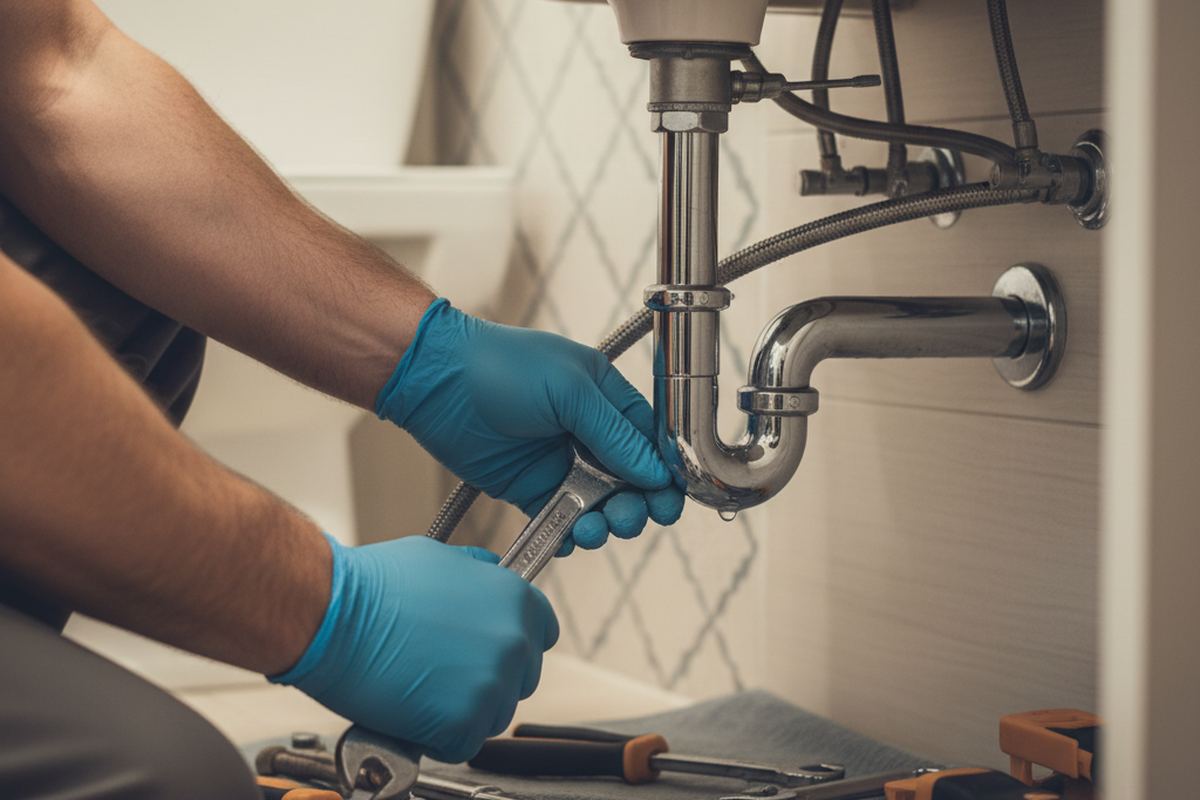
Planning a bathroom remodel often involves more than just new fixtures and finishes. For many homeowners, improving functionality or aesthetic means relocating plumbing lines for toilets, showers, or sinks. This can significantly impact your project's budget. Understanding the costs associated with moving these essential components is crucial for accurate financial planning. We will break down the typical expenses and considerations for each type of plumbing relocation.
Understanding the Cost Factors for Plumbing Relocation
Relocating plumbing is not a one-size-fits-all expense. Several key factors influence the final cost. The primary driver is the extent of the work: moving a fixture a few inches within the same wall cavity is far less complex than shifting it to an entirely new wall or across the room. The type of plumbing (drain lines versus supply lines) also plays a role, with drain lines often requiring more invasive work due to their larger diameter and necessary slope for gravity drainage.
Labor rates for plumbers and general contractors vary significantly by region, typically ranging from $75 to $200 per hour. The age and construction of your home are also critical. Older homes, especially those with outdated plumbing systems or challenging crawl spaces/basements, can present unforeseen complications that increase labor time and material costs. Accessibility to existing pipes, whether through walls, floors, or ceilings, directly impacts the effort required.
Toilet Relocation Costs: What to Expect
Moving a toilet is often the most expensive plumbing relocation due to its large drain line (typically 3-4 inches in diameter) and the need for proper slope to prevent clogs. A minor shift, perhaps 6-12 inches within the same joist space, might cost between $500 and $1,500. This usually involves adjusting the flange and some minor drain pipe modification. However, moving a toilet to a completely new location, especially if it requires breaking through concrete slabs or re-routing main drain lines, can range from $2,500 to $5,000 or more.
The complexity escalates if the new location is far from the existing waste stack, necessitating extensive drain pipe extensions and potentially new vent pipe installations. Additionally, if the subfloor or joists need modification to accommodate the new drain, structural work will add to the expense. Always ensure proper permitting for significant plumbing changes, as this is a critical safety and code compliance step that can also incur fees.
Shower and Bathtub Plumbing Relocation Expenses
Relocating shower and bathtub plumbing similarly depends on the distance and complexity. Moving a showerhead or valve within the same wall might cost $400 to $1,000, primarily for labor and new supply lines. However, shifting the entire shower drain and supply lines to a new wall or corner can range from $1,500 to $4,000. Bathtub relocations are often more involved due to their larger footprint and the need for precise drain placement and leveling.
Consider the type of shower or tub. A standard shower stall or single-piece tub is relatively straightforward. However, custom showers with multiple body jets, rain heads, or complex valve systems will incur higher costs due to additional supply lines and specialized fittings. If the new shower or tub location requires cutting into a concrete slab for drain access, expect costs to rise significantly, potentially adding $1,000 to $2,500 or more for concrete cutting and repair.
Get a tier-based bathroom remodel budget with contingency and resale recoup baked in.
Open the Bathroom Remodel Budget PlannerSink and Vanity Plumbing Relocation Costs
Moving a sink or vanity is generally less expensive than toilets or showers because their drain lines are smaller (typically 1.5-2 inches) and require less aggressive slope. A minor shift of a few feet within the same wall can range from $300 to $800. This usually involves extending or shortening supply and drain lines. Moving a sink to an entirely new wall or across the room can cost between $800 and $2,000, depending on the distance and accessibility.
Factors influencing sink relocation costs include whether new wall framing is needed to support the vanity or if existing studs need to be notched for new pipes. If the new sink location is far from the main drain stack, longer drain and vent pipe runs will be necessary, increasing material and labor. Double vanities, with their dual sets of plumbing, will naturally incur higher costs than single vanities for similar relocation efforts.
When is Plumbing Relocation Worth the Investment?
While plumbing relocation adds a significant expense to a bathroom remodel, it can be a worthwhile investment for several reasons. It often enables a more functional and aesthetically pleasing layout, especially in small or oddly shaped bathrooms where minor shifts can dramatically improve flow and usability. For example, moving a toilet a foot or two can create space for a larger vanity or a more comfortable shower enclosure. It also allows for strategic placement of windows or doors without plumbing interference.
Consider the long-term value and your personal enjoyment of the space. If the current layout is truly dysfunctional and a new arrangement would significantly enhance your daily routine or increase the home's market appeal, the investment can pay off. However, if the existing layout is already efficient, and you are only seeking a minor aesthetic refresh, the cost of moving plumbing might outweigh the benefits.
Permitting, Inspections, and Unexpected Costs
Any significant plumbing relocation project will require permits from your local municipality. These permits ensure that the work complies with safety and building codes. Permit fees typically range from $100 to $500, but they are essential for protecting your investment and ensuring the work is done correctly. Skipping permits can lead to fines, difficulties with future home sales, and potentially unsafe installations. Inspections will occur at various stages of the project to verify compliance.
Budgeting for unexpected costs is crucial, especially in remodeling. Hidden issues like rotten wood, outdated wiring, or mold discovered behind walls or under floors can add thousands to the project. A contingency fund of 10-20% of your total estimated project cost is a wise practice. This buffer helps cover unforeseen challenges without derailing your budget or forcing compromises on your design vision.
The bottom line
Careful planning and a clear understanding of the costs involved in plumbing relocation are key to a successful bathroom remodel. While moving fixtures can be expensive, it often unlocks the full potential of your space. Obtain multiple quotes from licensed plumbers and contractors, and always factor in permitting and a contingency fund for a smooth project.
Get more guidance like this in your inbox
Weekly emergency-fund tactics, milestone checklists, and the next article — delivered free.
Run your own number
Get a personalized emergency fund target based on your income, expenses, and job stability.
Open the calculator