Why Bathroom Remodels Need the Biggest Contingency
The waste-line surprises and moisture damage that hit 40% of bath remodels.
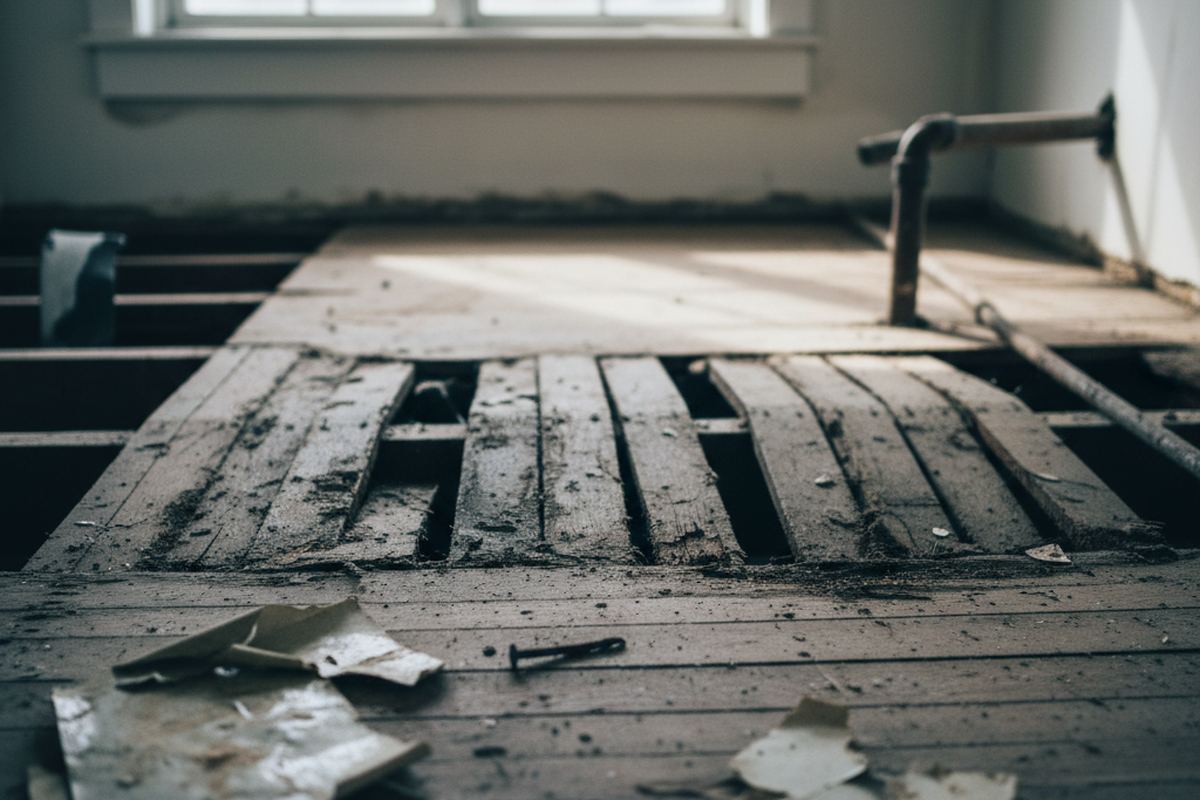
Planning a bathroom remodel can be an exciting prospect, promising a fresh, updated space. However, these projects are also notorious for uncovering unexpected issues that can significantly impact both your timeline and budget. Unlike other home renovations, bathrooms present a unique set of challenges due to their intricate plumbing, electrical systems, and constant exposure to moisture. Understanding these potential pitfalls upfront is crucial for a successful and less stressful remodeling experience.
The Hidden Costs of Moisture Damage
Bathrooms are high-humidity environments, making them susceptible to moisture-related problems that often remain concealed behind walls, floors, and ceilings. When demolition begins, it's common to discover rot, mold, or mildew that has compromised structural elements like subflooring, wall studs, or joists. Addressing these issues is not just cosmetic; it's essential for maintaining the integrity and safety of your home, and these repairs can quickly add thousands to a project.
For example, replacing a section of water-damaged subfloor due to a slow leak might cost an additional $500 to $1,500, depending on the extent of the damage and local labor rates. If mold remediation is required, especially for larger areas, the cost can escalate to $3,000 or more. These unforeseen expenses are rarely included in initial bids and highlight why a robust contingency fund is indispensable for bathroom renovations.
Unpredictable Plumbing and Waste-Line Surprises
The plumbing system within a bathroom is complex, involving water supply lines, drainage, and waste-lines. Older homes, in particular, may have outdated or corroded pipes that are prone to leaks or blockages. When walls are opened, a plumber might discover galvanized steel pipes that are nearing the end of their lifespan, or undersized drain lines that don't meet current building codes. Proactively replacing these components, while costly, prevents future failures.
Consider a scenario where an old cast-iron waste-line is found to be cracked or significantly corroded during demolition. Replacing a section of this main drain could easily add $1,000 to $4,000 to your budget, depending on accessibility and the length of pipe involved. Ignoring such issues would be a false economy, leading to more expensive repairs down the line. Budgeting for these potential plumbing overhauls is a smart financial move for any homeowner.
Electrical System Upgrades and Code Compliance
Modern bathrooms require adequate electrical circuits for lighting, outlets (especially GFCI outlets near water sources), exhaust fans, and potentially heated floors or towel racks. Older homes may have insufficient wiring or lack proper grounding, which can be a safety hazard. When a bathroom is stripped down, electricians often find wiring that needs to be brought up to current safety codes, adding to the project's scope and expense.
For instance, upgrading an electrical panel to accommodate new bathroom circuits might cost between $1,500 and $4,000. Adding new dedicated circuits for a high-power appliance like a tankless water heater or a jetted tub could run an additional $300 to $800 per circuit. These electrical upgrades are not optional; they are mandated by safety standards and local building codes, making a contingency crucial for covering them.
Get a tier-based bathroom remodel budget with contingency and resale recoup baked in.
Open the Bathroom Remodel Budget PlannerNavigating Structural Issues and Layout Changes
Sometimes, the desire for a new layout or the discovery of existing structural deficiencies can lead to significant cost increases. Moving a toilet or shower drain just a few feet can involve breaking through concrete slabs or re-routing major plumbing lines, which is labor-intensive and expensive. Similarly, if a load-bearing wall needs to be altered or reinforced, engineering expertise and additional construction work will be required.
Relocating a toilet, for example, might add $1,000 to $3,000 to the plumbing portion of the remodel, depending on the complexity of the drain re-routing. If a structural beam needs to be installed to support a new opening, costs could range from $2,000 to $7,000. These kinds of structural modifications, while less common than moisture or plumbing issues, can be among the most expensive unforeseen items in a bathroom remodel.
The Importance of a Robust Contingency Fund
Given the high probability of encountering hidden problems, a bathroom remodel demands a larger contingency fund compared to other home improvement projects. While a 10% contingency is often recommended for general renovations, bathroom projects frequently warrant a 15% to 25% buffer. This extra financial cushion prepares you for the inevitable surprises and prevents project delays or budget overruns.
For a bathroom remodel budgeted at $20,000, a 20% contingency would mean setting aside an additional $4,000. This fund acts as an insurance policy, covering everything from unexpected rotten wood to an unforeseen plumbing re-route. Having this buffer allows you to address problems as they arise without compromising the quality of the work or resorting to financing at unfavorable terms.
- Aim for a 15-25% contingency for bathroom remodels.
- Higher percentages are wise for older homes (pre-1980).
- Keep contingency funds in an easily accessible savings account.
Planning for 2026 Material and Labor Costs
As you plan your 2026 bathroom remodel, factor in potential shifts in material and labor costs. While it's difficult to predict exact figures, a steady increase in construction expenses is a common trend. Supply chain issues, inflation, and skilled labor shortages can all contribute to higher prices for everything from tiles and fixtures to plumbing services. Obtaining detailed quotes and understanding potential escalation clauses from contractors is vital.
For instance, the cost of specific tile types or custom cabinetry could see annual increases of 3% to 7%. Labor rates for plumbers and electricians can also rise. When budgeting, consider adding a small percentage (e.g., 2-5%) to estimated material and labor costs to account for general market inflation by 2026. This forward-looking approach helps ensure your initial budget remains realistic.
Realistic Cost Ranges for Common Bathroom Remodel Elements in 2026
Understanding typical cost ranges for bathroom components can help you allocate your budget more effectively for a 2026 project. A basic full bathroom remodel (excluding major layout changes or high-end finishes) might range from $10,000 to $25,000. A mid-range remodel, including new fixtures, some layout adjustments, and better quality materials, could fall between $25,000 and $50,000. High-end or luxury remodels, with custom features and premium materials, often exceed $50,000.
Specific elements also have their own ranges: a new toilet might cost $200-$1,000, a vanity with countertop $500-$4,000, and a new shower enclosure $1,000-$5,000. Flooring can range from $5-$30 per square foot for materials, plus installation. These figures are estimates and vary significantly by region, material choices, and the complexity of the installation. Always obtain multiple detailed bids from reputable contractors.
The bottom line
While the prospect of unforeseen issues can seem daunting, a well-planned budget with a generous contingency makes all the difference. By anticipating potential problems and allocating sufficient funds, you can navigate your bathroom remodel with greater confidence. This proactive approach ensures that your dream bathroom becomes a reality without unnecessary financial stress.
Get more guidance like this in your inbox
Weekly emergency-fund tactics, milestone checklists, and the next article — delivered free.
Run your own number
Get a personalized emergency fund target based on your income, expenses, and job stability.
Open the calculator