Bathroom Remodel Timeline: Week-by-Week Reality
The realistic 3–6 week timeline for a full bathroom remodel, including inspections.
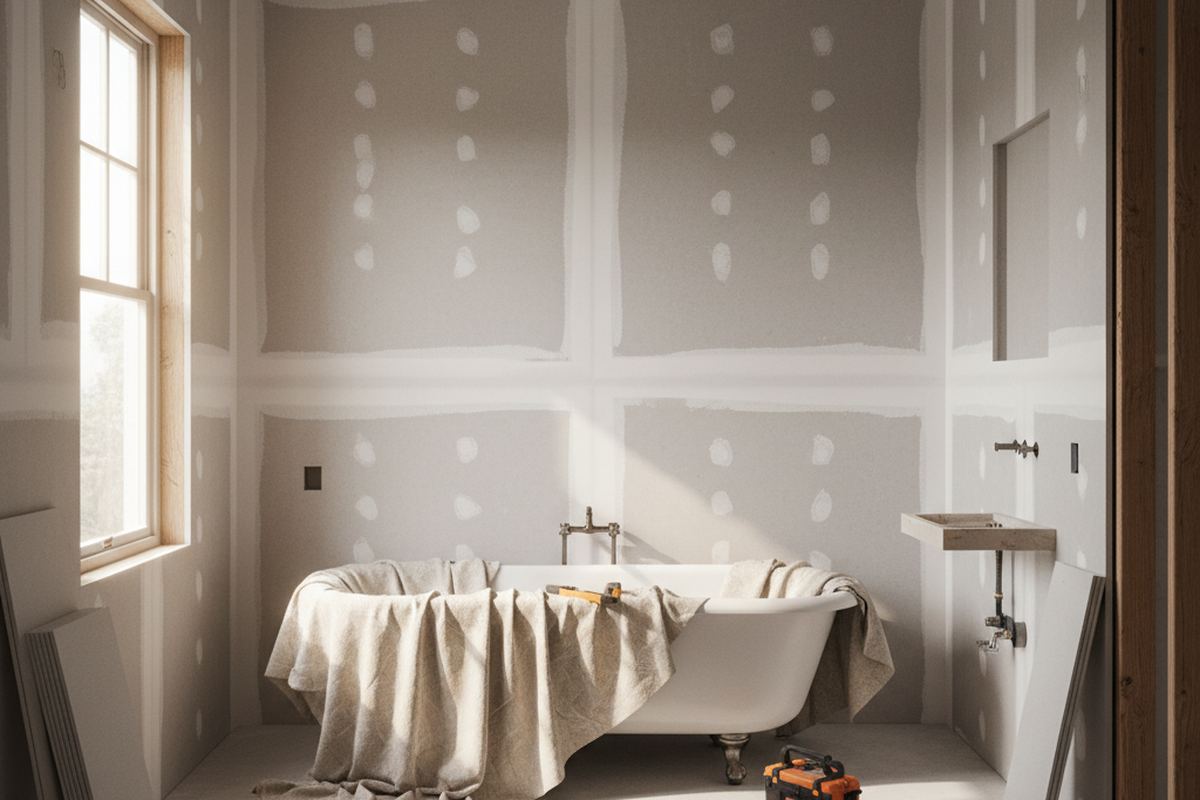
Planning a bathroom remodel can be an exciting prospect, but understanding the practical timeline involved is crucial for managing expectations and avoiding stress. Many homeowners underestimate the duration of a full renovation, leading to frustration and budget overruns. This guide breaks down a typical bathroom remodel into a week-by-week schedule, from demolition to final touches, offering a realistic view of what to anticipate. By understanding each phase, you can better coordinate contractors, materials, and your daily life during the project.
Week 1: Demolition and Rough-Ins
The first week of a bathroom remodel is often the most dramatic, beginning with the demolition phase. This involves carefully removing old fixtures, flooring, drywall, and potentially even structural elements like non-load-bearing walls. Dust control measures are critical during this period. Once demolition is complete, the focus shifts to the 'rough-in' work.
Rough-ins include installing new plumbing lines for sinks, toilets, and showers, as well as electrical wiring for outlets, lighting, and exhaust fans. This phase also covers any necessary HVAC ductwork. All rough-in work must be completed and inspected by local building authorities before walls can be closed up. This initial inspection ensures compliance with safety and building codes, which is a non-negotiable step in the timeline.
Week 2: Framing, Drywall, and Flooring Preparation
Following successful rough-in inspections, the second week typically involves structural adjustments and preparing the surfaces. If any layout changes were made, new framing for walls or shower niches will be constructed. Once framing is complete, insulation is installed, followed by hanging and taping new drywall. This process creates the foundation for your new bathroom aesthetic.
Simultaneously, preparation for flooring can begin. This might involve leveling the subfloor, installing cement board as a base for tile, or laying down underlayment for other flooring types. Proper subfloor preparation is essential for a durable and aesthetically pleasing finish, preventing future issues like cracking or uneven surfaces. This work frequently overlaps with drywall finishing to optimize the schedule.
Week 3: Tiling and Waterproofing
Week three often focuses heavily on tiling, which is a meticulous and time-consuming process. This includes installing tiles on floors, shower walls, and potentially other areas like backsplashes. The complexity and size of the tiles, as well as the intricacy of the pattern, will influence the duration of this stage. Proper waterproofing in the shower area is critical and usually precedes tile installation.
Waterproofing involves applying specialized membranes or coatings to protect the underlying structure from moisture damage. This step is non-negotiable for shower areas and is often subject to inspection in some jurisdictions. After tiles are set, they must cure for a period, typically 24-48 hours, before grouting can begin. Grouting fills the spaces between tiles, providing a finished look and further protecting against moisture.
Get a tier-based bathroom remodel budget with contingency and resale recoup baked in.
Open the Bathroom Remodel Budget PlannerWeek 4: Cabinetry, Painting, and Fixture Installation
With the major structural and tiling work complete, week four brings the bathroom closer to its finished state. This period involves installing vanity cabinets, storage units, and other built-in furniture. Once cabinets are in place, countertops can be installed, often requiring precise templating and a separate installation appointment.
Painting the walls and ceiling typically occurs after major installations to avoid damage. Following paint, the installation of plumbing fixtures such as the toilet, sink, faucet, and showerhead takes place. Electrical fixtures like light sconces, ceiling lights, and exhaust fans are also installed and connected during this week. These installations mark significant progress, making the space functional.
Week 5: Final Touches and Inspections
The fifth week is dedicated to completing the smaller, yet essential, details that bring the remodel to a polished finish. This includes installing mirrors, towel bars, toilet paper holders, and any other accessories. Final caulking around sinks, tubs, and showers ensures a watertight seal and a clean appearance. Any remaining touch-up painting is also completed during this time.
A final walk-through with your contractor is crucial to identify any outstanding items or punch list tasks. Upon completion of all work, a final inspection by the local building department is usually required to ensure everything meets code. This final inspection provides official approval for the renovated space and is the last major hurdle before full project closeout.
Factors Influencing Your Project Timeline
While a typical bathroom remodel often falls within a 3-6 week range, several factors can extend or shorten this duration. The scope of work is paramount; a simple cosmetic refresh will be quicker than a complete gut renovation with layout changes. Material availability also plays a significant role; custom cabinets or specialty tiles can have lead times of several weeks or even months.
Unexpected issues, such as discovering mold, water damage, or outdated electrical wiring during demolition, can add significant time and cost. The efficiency and coordination of your contractor and their subcontractors are also critical. Clear communication and a well-defined project plan can help mitigate delays, but it is always prudent to build in a buffer for unforeseen circumstances.
- Scope of the remodel (cosmetic vs. full gut)
- Availability of materials (lead times for custom items)
- Permit and inspection schedules
- Unexpected structural or plumbing issues
- Contractor and subcontractor scheduling efficiency
- Complexity of design and custom features
The bottom line
Understanding the week-by-week process of a bathroom remodel empowers you to plan more effectively and communicate clearly with your contractors. While every project has its unique challenges, this realistic timeline provides a valuable framework. Factor in potential delays for material lead times or unforeseen issues, and maintain open communication with your team. A well-planned and executed remodel will result in a beautiful and functional new bathroom.
Get more guidance like this in your inbox
Weekly emergency-fund tactics, milestone checklists, and the next article — delivered free.
Run your own number
Get a personalized emergency fund target based on your income, expenses, and job stability.
Open the calculator