Bathroom Tile Budget: Where to Spend and Save
The tile line items where premium pays off and the ones where cheap looks identical.
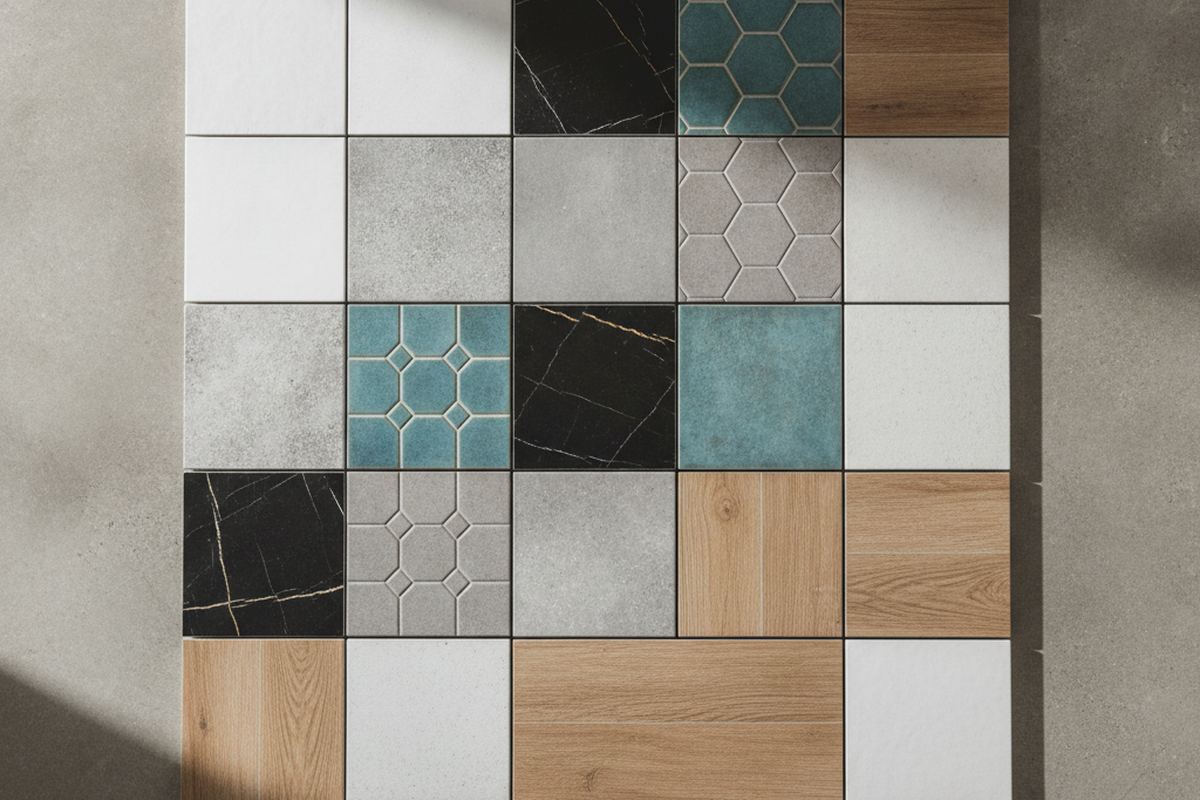
Bathroom tile is a significant component of any remodel, often dictating both the aesthetic and a large portion of the budget. Understanding where to allocate your resources can prevent overspending while still achieving a high-quality finish. This guide will help you identify areas where premium tile is a worthwhile investment and where more economical options can deliver a similar visual impact and durability. Strategic choices in tile can optimize your budget without compromising the overall look and feel of your updated bathroom.
Prioritize Durability for High-Traffic Floors
Bathroom floors endure daily wear and tear from foot traffic, moisture, and cleaning products. Investing in durable, high-quality porcelain or ceramic tiles for this area is a wise decision. These materials offer superior resistance to chips, cracks, and water absorption, ensuring your floor maintains its appearance and integrity for many years. Opting for a tile with a PEI rating of 4 or 5 indicates it is suitable for heavy residential use, providing peace of mind.
While initial costs for premium floor tiles might be higher, their longevity reduces the likelihood of needing premature replacements, saving money in the long run. Consider larger format tiles for floors to minimize grout lines, which can simplify cleaning and contribute to a more expansive feel. Darker grout colors can also help disguise stains in high-traffic areas, further extending the pristine look of your flooring.
Splurge on Shower Walls and Niche Accents
The shower area is often the focal point of a bathroom, making it an ideal place to invest in more visually appealing and water-resistant tiles. Porcelain or glazed ceramic tiles with low water absorption rates (less than 0.5% for porcelain) are critical here to prevent moisture damage and mold growth. Consider a distinctive design, texture, or color for the main shower walls to create a luxurious feel. This is where a slightly higher per-square-foot cost can truly elevate the bathroom's aesthetic.
Shower niches or recessed shelving offer an excellent opportunity for a small splurge on an accent tile. A mosaic, natural stone, or unique patterned tile can transform this functional element into a decorative feature without requiring a large quantity of expensive material. Since the area is small, the overall cost impact is minimal, but the design impact can be substantial, adding a custom, high-end touch to your shower.
Save on Walls Outside the Shower
For bathroom walls that are not directly exposed to water, such as those behind the vanity or around the toilet, you have more flexibility to choose economical tile options. Standard ceramic tiles or even painted drywall can be perfectly suitable in these areas. Since these walls do not require the same level of water resistance or durability as shower or floor tiles, you can achieve a clean, appealing look without a premium price tag.
Consider using a subway tile or a basic large-format ceramic tile in a neutral color for these less critical wall areas. The savings here can be significant, allowing you to reallocate funds to other, more impactful design elements. Consistency in color or finish with your more expensive tiles can still create a cohesive design, even with varying price points for materials.
Get a tier-based bathroom remodel budget with contingency and resale recoup baked in.
Open the Bathroom Remodel Budget PlannerBacksplash: An Opportunity for Budget-Friendly Style
The vanity backsplash is typically a smaller area, making it an excellent spot to add visual interest without excessive cost. While you might be tempted by intricate mosaics or natural stone, a simple ceramic tile can look equally chic and be much more budget-friendly. The key is to choose a tile that complements your vanity and countertop, rather than one that stands out solely due to its price.
Consider options like classic subway tile, penny rounds, or simple square ceramic tiles for the backsplash. These are often available at a lower price point and can be installed relatively easily. The impact of a well-chosen, simpler tile in this area can be just as strong as a more expensive one, especially when paired with elegant fixtures and accessories.
Grout Matters: Don't Skimp on Quality
While not a tile itself, grout plays a crucial role in the durability and appearance of your tiled surfaces. Investing in high-quality, stain-resistant, and mold-resistant grout is highly recommended, especially in wet areas like the shower and floor. Epoxy grout, though more expensive and challenging to install, offers superior resistance to stains and chemicals, making it a worthwhile upgrade for longevity and ease of maintenance.
Alternatively, urethane-based grouts provide excellent flexibility and stain resistance with easier application than epoxy. Standard cementitious grout, while less expensive, requires sealing and is more prone to staining and cracking over time. Selecting a grout color that either matches your tile closely or provides a subtle contrast can enhance the overall aesthetic, but prioritize its functional qualities first.
- Epoxy grout: Highly resistant to stains and chemicals.
- Urethane grout: Good flexibility and stain resistance.
- Cementitious grout: Requires sealing, more prone to staining.
Consider Installation Costs and DIY Potential
The cost of tile installation can sometimes exceed the cost of the tile itself, especially for intricate patterns or small, detailed areas. When budgeting, consider the complexity of the tile you choose. Large format tiles can be quicker to install, potentially reducing labor costs, while small mosaics or complex patterns like herringbone will take more time and skill, increasing installation expenses. If you plan to DIY, ensure you have the necessary tools and experience to avoid costly mistakes.
For areas where you're saving on tile material, such as general bathroom walls, you might also find the installation process simpler and more manageable if you're attempting it yourself. However, for critical areas like shower pans or floors, professional installation is often advisable to ensure proper waterproofing and a durable finish. Factor in both material and labor when making your final tile selections.
Leverage End-of-Batch Sales and Overstock
To save on tile without sacrificing quality, keep an eye out for end-of-batch sales, clearance sections, and overstock deals at local tile stores or large home improvement retailers. Often, perfectly good, high-quality tiles are sold at a significant discount because a particular line is being discontinued or there's a small quantity remaining. These can be perfect for smaller areas like a shower niche, a vanity backsplash, or even an entire small bathroom floor if you can find enough square footage.
When exploring these options, always purchase slightly more than you think you'll need (an extra 10-15% is a good rule of thumb) to account for cuts, breakage, and potential future repairs. Batch numbers are important; ensure all tiles for a single area come from the same dye lot to avoid color variations. This strategy allows you to incorporate higher-end materials into your design at a fraction of their original cost.
The bottom line
Thoughtful tile selection is a cornerstone of a successful bathroom remodel, balancing aesthetics with practicality and budget. By strategically allocating your funds to areas that demand durability and visual impact, while finding savings in less critical zones, you can achieve a sophisticated and long-lasting bathroom. Remember to factor in not just the tile material, but also grout quality and installation costs for a comprehensive budget.
Get more guidance like this in your inbox
Weekly emergency-fund tactics, milestone checklists, and the next article — delivered free.
Run your own number
Get a personalized emergency fund target based on your income, expenses, and job stability.
Open the calculator