Bathroom Ventilation Code: The Fan Size You Actually Need
The bath fan CFM formula, code requirements, and duct routing rules.
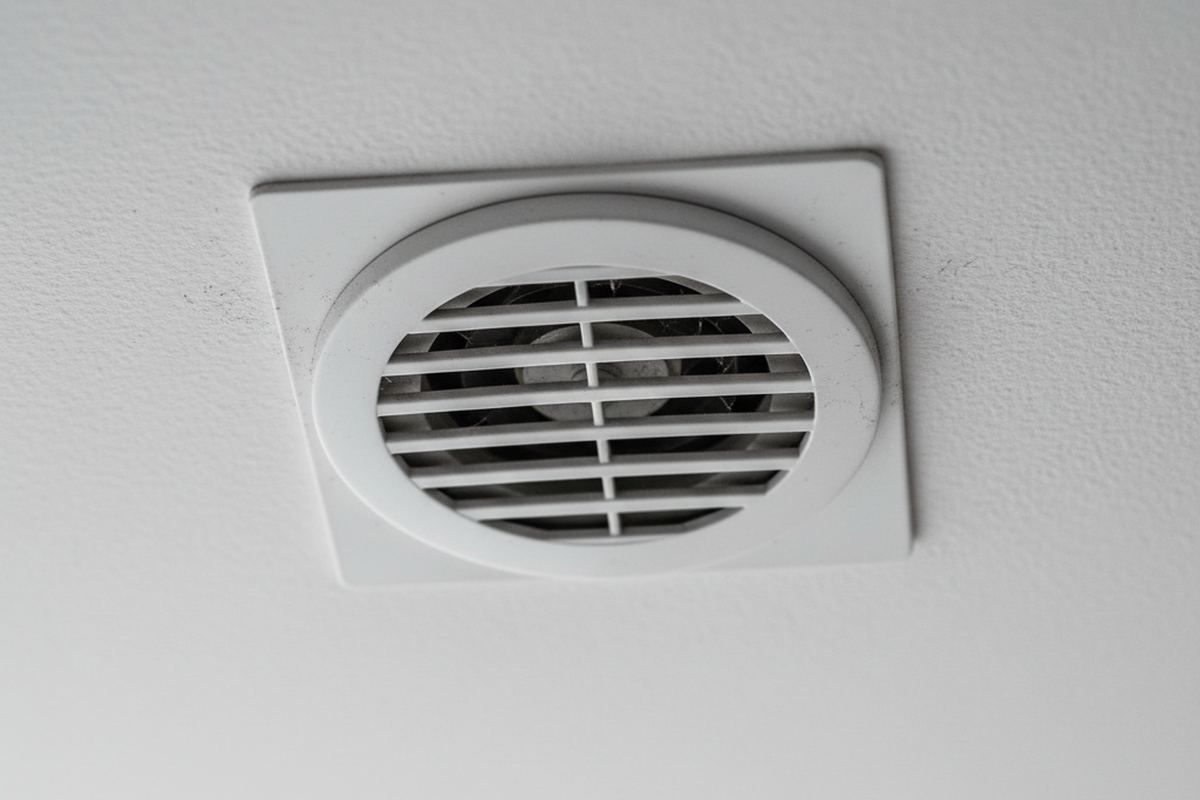
Effective bathroom ventilation is often an afterthought in remodeling projects, yet it's crucial for maintaining indoor air quality and preventing moisture-related damage. Beyond just comfort, proper ventilation protects your home's structure from mold, mildew, and rot, which can be costly to remediate. Understanding the relevant building codes and fan sizing requirements ensures your new bathroom is both beautiful and functional for the long term. This guide will walk you through the essential considerations for your bathroom's ventilation system.
Understanding Bathroom Ventilation Basics
Bathroom ventilation serves several key purposes. Primarily, it removes excess moisture generated by showers and baths, preventing condensation on surfaces that can lead to mold and mildew growth. It also helps to eliminate odors and volatile organic compounds (VOCs) from cleaning products, improving overall air quality. A well-designed ventilation system pulls stale, humid air out of the bathroom and expels it outdoors.
Inadequate ventilation can lead to significant problems over time, including peeling paint, warped cabinetry, and even structural damage to wall studs and subfloors. These issues not only detract from your bathroom's appearance but can also reduce your home's value and pose health risks. Investing in a proper ventilation system during your remodel is a preventative measure that saves money and headaches in the future.
Navigating Building Code Requirements
Most local building codes require mechanical ventilation in bathrooms, especially those without an operable window. While specific requirements can vary by municipality, the International Residential Code (IRC), widely adopted across the U.S., provides a baseline. The 2026 IRC generally specifies that bathrooms must have either an operable window of at least 3 square feet, with at least 1.5 square feet openable, or a mechanical exhaust fan capable of providing a certain rate of air exchange.
For mechanical ventilation, the IRC typically mandates a minimum exhaust rate of 50 cubic feet per minute (CFM) for intermittent operation, or 20 CFM for continuous operation. It's crucial to check with your local building department to confirm the exact code requirements in your area, as some jurisdictions might have more stringent rules or specific installation guidelines for ductwork and fan types.
Calculating the Right Fan Size (CFM)
To determine the appropriate fan size for your bathroom, the most common method is based on the room's square footage. A general rule of thumb is to allow 1 CFM per square foot of bathroom area. For example, a 6x8 foot bathroom (48 square feet) would ideally require a 50 CFM fan. For bathrooms larger than 100 square feet, a more precise calculation is often recommended.
For larger bathrooms, or those with high ceilings, the calculation changes slightly. You might use the formula: Bathroom Volume (cubic feet) / 7.5 minutes = CFM. This ensures 8 air changes per hour. For instance, a 10x12 foot bathroom with an 8-foot ceiling has a volume of 960 cubic feet. Dividing 960 by 7.5 yields approximately 128 CFM. It's often advisable to round up to the nearest standard fan size, such as 130 or 140 CFM, to ensure adequate ventilation.
- Small Bathroom (50-79 sq ft): Minimum 50 CFM
- Medium Bathroom (80-100 sq ft): Minimum 80-100 CFM
- Large Bathroom (>100 sq ft): Use volume-based calculation
Considering Special Features and Additions
Beyond the basic square footage calculation, certain bathroom features can increase the need for ventilation. For example, a separate toilet compartment or a large, enclosed shower or tub area might require additional CFM. Some experts suggest adding 50 CFM for each separate toilet or shower enclosure within a larger bathroom to ensure localized moisture and odor removal.
Other factors like jetted tubs, steam showers, or multiple showerheads also generate significantly more moisture. For these high-humidity environments, consider increasing your calculated CFM by 20-50% or installing a fan specifically designed for steam rooms. Always opt for a fan with a low Sone rating (a measure of loudness), preferably 1.0 Sones or less, for a quieter experience.
Get a tier-based bathroom remodel budget with contingency and resale recoup baked in.
Open the Bathroom Remodel Budget PlannerDuctwork: The Unsung Hero of Ventilation
Even the most powerful exhaust fan will be ineffective if the ductwork is improperly installed or sized. The duct material and length significantly impact airflow. Smooth, rigid metal ducts are preferable to flexible ducts, which can collapse or have internal ridges that restrict airflow. Always aim for the shortest, straightest duct run possible from the fan to the exterior vent.
Duct diameter is also critical. A fan designed for a 6-inch duct will lose considerable efficiency if connected to a 4-inch duct. Generally, 4-inch ducting is suitable for fans up to 100 CFM, while larger fans often require 6-inch or even 8-inch ducts. Ensure all connections are sealed with mastic or foil tape to prevent air leakage, and insulate ducts in unconditioned spaces like attics to prevent condensation within the duct itself.
Installation Best Practices and Common Pitfalls
Proper installation is paramount for fan performance and longevity. The fan should be centrally located or, ideally, positioned near the primary source of moisture (e.g., above the shower or bathtub). Ensure the fan is securely mounted to a joist or framing, and that the electrical wiring is carried out by a qualified electrician, adhering to all local electrical codes.
Common installation mistakes include venting into an attic or crawl space instead of outdoors, which simply relocates moisture problems. Another pitfall is using too many elbows or turns in the ductwork, which creates resistance and reduces airflow. Always install a backdraft damper at the exterior vent to prevent cold air intrusion and pest entry when the fan is off. Consider a timer switch or a humidity-sensing switch for automated operation and energy savings.
Maintenance for Long-Term Performance
Like any appliance, bathroom exhaust fans require periodic maintenance to operate efficiently. The most common task is cleaning the fan grille and motor housing. Dust and lint can accumulate, reducing airflow and potentially causing the motor to overheat. Once or twice a year, remove the grille, vacuum or wipe down the fan blades and interior, and check for any obstructions.
Beyond cleaning, periodically inspect the exterior vent cap for blockages from bird nests or debris. Ensure the backdraft damper is functioning correctly. If your fan becomes unusually noisy or its performance noticeably declines, it may indicate a failing motor or a blockage in the ductwork that needs professional attention. Regular maintenance ensures your ventilation system continues to protect your bathroom effectively.
Integrating Ventilation into Your Remodel Plans
When planning your bathroom remodel, consider ventilation early in the design phase. This allows for optimal placement of the fan and efficient routing of ductwork, avoiding costly rework later. Discuss ventilation options with your contractor or designer, especially if you are incorporating elements like steam showers or have a particularly large or uniquely shaped bathroom.
Choosing a fan that not only meets CFM requirements but also has a low Sone rating and a modern aesthetic can enhance your new bathroom's overall appeal. While the initial focus might be on fixtures and finishes, a well-planned and properly installed ventilation system is a foundational element that contributes significantly to the comfort, health, and longevity of your remodeled space. It is an investment in your home's infrastructure.
Advanced Ventilation Options to Consider
Beyond standard exhaust fans, homeowners can explore advanced ventilation options for enhanced performance and energy efficiency. Inline fans, for example, are mounted in the attic or ceiling space, allowing for quieter operation within the bathroom itself. These can also be used to ventilate multiple areas of a large bathroom or even multiple bathrooms with a single, powerful unit.
Energy recovery ventilators (ERVs) and heat recovery ventilators (HRVs) offer a more sophisticated approach, exchanging stale indoor air with fresh outdoor air while recovering a significant portion of the heat or cooling energy. While a larger investment, ERVs and HRVs can be particularly beneficial in tightly sealed, energy-efficient homes, providing continuous fresh air without compromising your home's thermal envelope.
The bottom line
Ensuring proper bathroom ventilation is a critical aspect of any remodel, safeguarding your home against moisture damage and promoting a healthier indoor environment. By understanding CFM requirements, local codes, and ductwork principles, you can select and install a system that performs effectively. Prioritize ventilation in your planning to protect your investment and enjoy a comfortable, durable bathroom for years to come.
Get more guidance like this in your inbox
Weekly emergency-fund tactics, milestone checklists, and the next article — delivered free.
Run your own number
Get a personalized emergency fund target based on your income, expenses, and job stability.
Open the calculator