The Best Time of Year to Replace Your Roof (and Save 10–20%)
How roofer schedules and material prices shift across seasons, and the shoulder months worth booking.
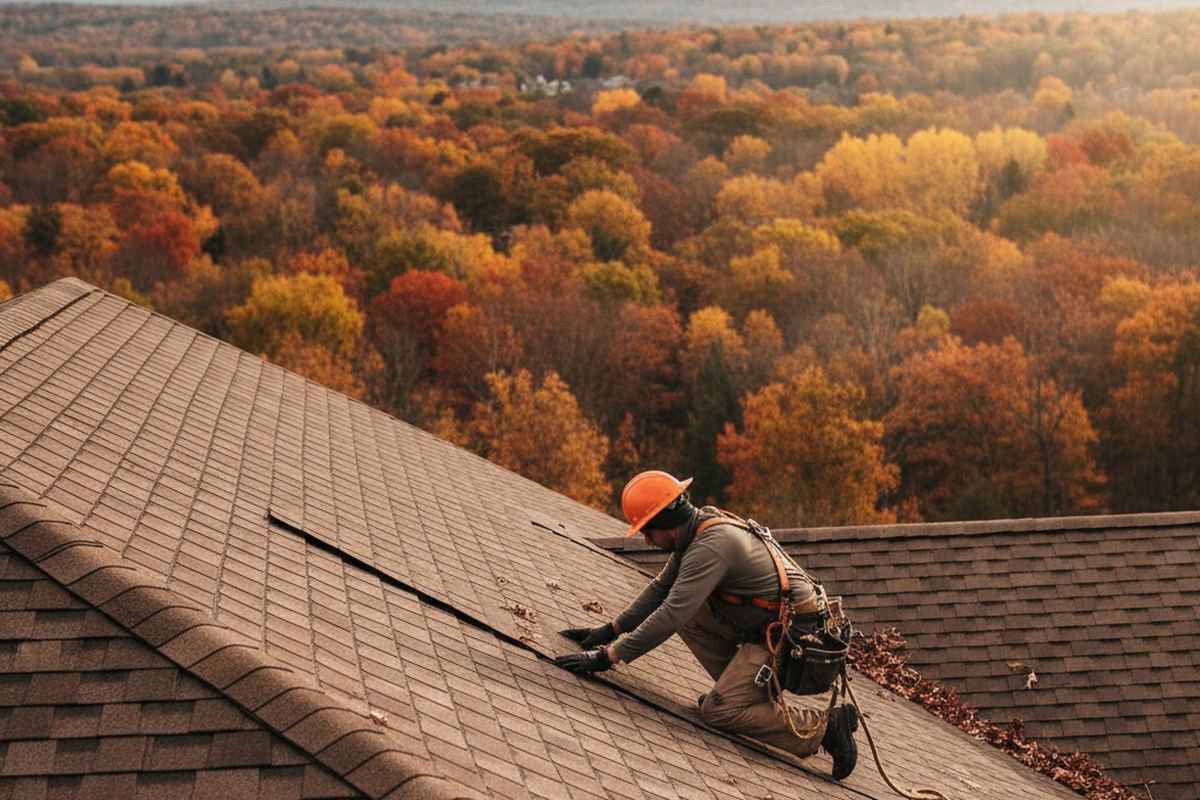
Planning a roof replacement is a significant home improvement project, and timing can play a crucial role in both cost and convenience. Many homeowners believe summer is the ideal season, but this isn't always the case. Understanding how weather, material availability, and contractor schedules fluctuate throughout the year can help you make a more informed decision. Strategic timing can potentially save you a notable percentage on overall project costs and ensure a smoother process.
Understanding Seasonal Pricing Fluctuations
Roofing material costs, like asphalt shingles, metal, or tile, can experience seasonal shifts. While raw material prices are generally stable, demand-driven surges can occur during peak construction seasons. For instance, high demand in late spring and summer often means distributors have less incentive to offer discounts. Conversely, during slower periods, suppliers might offer modest price reductions to move inventory, which can translate into savings for homeowners.
Labor costs are also subject to seasonal demand. Roofing contractors typically charge more during their busiest months due to high demand and limited availability. Booking during off-peak times provides more leverage for negotiation and can result in more competitive bids. This flexibility in scheduling also means contractors are less rushed, potentially leading to higher quality workmanship and fewer scheduling delays.
Spring: Balancing Demand and Good Weather
Spring, particularly April and May in many regions, offers a mixed bag for roof replacements. The weather is generally favorable, with moderate temperatures and less extreme precipitation than winter. This allows for efficient installation without the risks associated with extreme heat or cold. However, spring also marks the beginning of the busy season for roofers, meaning demand starts to increase.
To capitalize on spring's good weather while mitigating rising costs, consider booking your project in early spring. Scheduling in March or early April might allow you to secure a contractor before their schedule fills completely and potentially benefit from slightly lower pricing before peak season surcharges fully kick in. Be mindful of late-season frosts or heavy rains that could cause minor delays.
Summer: Peak Season, Premium Prices
Summer, from June through August, is generally the busiest time for roofing contractors across the United States. The consistent warm, dry weather is ideal for installation, as it allows materials to seal properly and reduces the risk of weather-related delays. However, this high demand comes with a cost: contractors are often fully booked and may charge premium rates.
If you must schedule your roof replacement during the summer, plan far in advance – several months if possible. This can help you secure a reputable contractor and potentially lock in a price before further increases due to demand. Be prepared for longer wait times and potentially less flexibility in scheduling. Also, consider the impact of extreme heat on crews and the drying process of certain materials.
Estimate roof replacement cost by square footage, pitch, and material — get a realistic 2026 number in under a minute.
Open the Roof Replacement CalculatorFall: The Strategic Shoulder Season
Fall, specifically September and October, is often considered one of the best times for a roof replacement. Temperatures are moderate, providing comfortable working conditions for crews and excellent conditions for material adhesion. The summer rush has typically subsided, which can lead to increased contractor availability and potentially more competitive pricing.
Booking in the fall allows you to avoid the intense heat of summer and the potential for winter weather delays. Many homeowners who missed the spring window will opt for fall, so it remains a popular time. Aim for early fall to ensure your project is completed before colder temperatures and increased precipitation become a factor, which can slow down work or impact material setting.
- Moderate temperatures benefit material curing.
- Contractor availability often improves post-summer.
- Reduced risk of extreme weather delays.
Winter: Potential Savings, Higher Risks
Winter, generally November through February, is typically the slowest season for roofing contractors. This low demand can translate into significant cost savings, with some contractors offering discounts of 10-20% to keep their crews busy. If you live in a region with mild winters, this could be an excellent opportunity to secure a lower price.
However, winter installations come with inherent risks. Cold temperatures can make some roofing materials brittle and difficult to work with, potentially affecting their long-term performance. Snow, ice, and freezing rain can cause substantial delays, extending project timelines and increasing labor costs if crews are idle. Always discuss winter installation procedures and guarantees with your chosen contractor.
Regional Weather Considerations
The "best" time for a roof replacement is heavily influenced by your specific geographic location. Homeowners in the Northeast or Midwest face different challenges than those in the Southwest or Florida. For example, hurricane season in the Southeast (June to November) makes summer and early fall riskier due to potential project interruptions or material shortages.
Similarly, regions with heavy snow loads in winter may find it nearly impossible to schedule a replacement during those months. Always consult with local roofing professionals who understand the specific climate challenges and optimal working conditions in your area. Their expertise will be invaluable in determining the most practical and cost-effective timing for your project.
- South: Avoid hurricane season (June-November).
- Midwest/Northeast: Avoid deep winter (December-February).
- Southwest: Consider cooler shoulder seasons to avoid extreme heat.
The bottom line
By carefully considering seasonal factors, you can make an informed decision that balances cost, convenience, and quality for your roof replacement. While summer offers ideal weather, the shoulder seasons of spring and fall often provide a sweet spot for better pricing and contractor availability. Always obtain multiple quotes and discuss scheduling flexibility to ensure your project is completed efficiently and within budget.
Get more guidance like this in your inbox
Weekly emergency-fund tactics, milestone checklists, and the next article — delivered free.
Run your own number
Get a personalized emergency fund target based on your income, expenses, and job stability.
Open the calculator