The Best Time to Plant Grass Seed (by State and Grass Type)
Fall vs spring seeding windows for cool and warm-season grasses — with a US state guide.
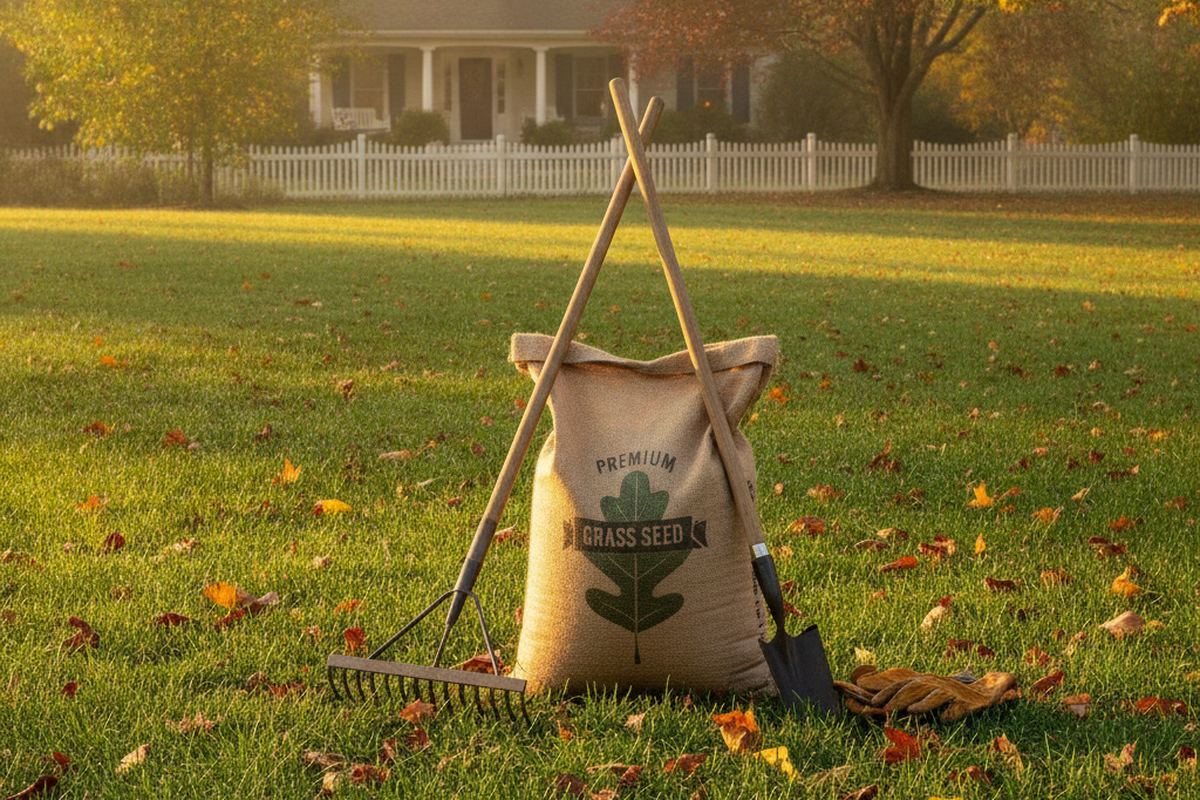
Timing is a critical factor in the success of a new lawn or overseeding project. Planting grass seed at the wrong time can lead to poor germination, weak growth, and increased vulnerability to weeds, pests, and disease. Understanding the optimal planting windows, which vary significantly by grass type and geographic region, can save you considerable effort and expense. This guide provides a clear overview to help you achieve a lush, healthy lawn.
Understanding Cool-Season vs. Warm-Season Grasses
The primary distinction in grass types is between cool-season and warm-season varieties. Cool-season grasses, like Kentucky Bluegrass, Fescue, and Ryegrass, thrive in cooler temperatures, typically between 60°F and 75°F. They grow most vigorously in the spring and fall, often going dormant during the hottest parts of summer. These grasses are prevalent in the northern two-thirds of the United States.
Warm-season grasses, including Bermuda, Zoysia, St. Augustine, and Centipede, prefer warmer climates and soil temperatures, performing best when temperatures are consistently between 75°F and 90°F. They flourish in the summer months and enter dormancy when temperatures drop in the fall and winter. These varieties are the standard for lawns in the southern United States.
Optimal Timing for Cool-Season Grasses
For cool-season grasses, the undisputed best time to plant is late summer to early fall. This period, typically from late August through October, offers several advantages. The soil is still warm from summer, which promotes rapid germination, while the air temperatures are cooler, reducing stress on young seedlings. Additionally, fall planting allows grass to establish a strong root system before the onset of winter dormancy and before spring weeds become highly competitive.
A secondary, less ideal, planting window for cool-season grasses is early spring, usually March to April. While spring planting can be successful, it presents challenges. Young grass must contend with the rapid onset of summer heat and potential drought conditions, along with heavy competition from actively growing weeds. If planting in spring, ensure consistent watering and consider a pre-emergent herbicide application designed for new grass to manage weeds effectively.
Optimal Timing for Warm-Season Grasses
Warm-season grasses perform best when planted in late spring to early summer. This timeframe, generally from April through June, ensures soil temperatures are consistently warm enough (above 65°F) for quick germination and robust growth. Planting during this period allows the young grass to establish itself thoroughly throughout the long, warm growing season, preparing it for its first winter dormancy.
Avoid planting warm-season grasses too late in the summer or fall. While germination might occur, the young seedlings will not have sufficient time to develop a strong root system before cooler temperatures arrive. This can lead to significant winter kill and a patchy lawn the following spring. Prioritize planting when the risk of frost is well past, and daytime temperatures are reliably warm.
Get the exact pounds of seed you need for your lawn size, grass type, and overseeding vs new lawn.
Open the Lawn Seed CalculatorRegional Planting Guide: North and Transition Zones
In the northern states, which are primarily cool-season grass regions, the optimal planting window is late August to early October. For instance, in states like Minnesota, Wisconsin, or New York, aiming for a September planting is ideal. If a fall planting is not feasible, early spring (March to early May) is the next best option, provided you can ensure consistent moisture and weed control.
The transition zone, a band across the central US (e.g., Kansas, Kentucky, Virginia), can support both cool-season and warm-season grasses. If you are planting cool-season grass here, follow the northern guidelines. For warm-season grass, late spring to early summer (April to June) is best. Homeowners in this zone often choose a blend or switch grass types based on specific needs and conditions.
Regional Planting Guide: Southern States
For the southern states, where warm-season grasses dominate, the prime planting time is late spring through early summer, typically April to June. In states such as Florida, Texas, or Arizona, this period offers the sustained warmth and sunlight necessary for these grasses to thrive. Ensure that the threat of late frosts has completely passed before planting.
While warm-season grasses are resilient in heat, establishing them requires diligent watering during their initial growth phase. Planting too early in spring when soil temperatures are still cool can result in slow germination and increased vulnerability to disease. Conversely, planting too late in summer reduces the establishment period before cooler fall temperatures arrive.
Key Factors Beyond Timing for Successful Seeding
Beyond timing, several other factors significantly impact the success of your lawn seeding project. Proper soil preparation is paramount; this includes testing your soil to adjust pH and nutrient levels, aerating compacted areas, and ensuring good drainage. A well-prepared seedbed, free of debris and clods, provides the best environment for germination and root development.
Consistent moisture is critical, especially during the germination and early growth phases. New seeds and seedlings need frequent, light watering to prevent drying out. Once the grass is established, deeper, less frequent watering encourages stronger root growth. Additionally, selecting high-quality seed adapted to your local climate and sun exposure ensures the best possible outcome for your lawn.
Estimating Seed Needs for Your Project
Accurately determining how much grass seed you need is crucial to avoid both waste and insufficient coverage. Seed packaging typically provides coverage rates per square foot, which vary significantly by grass type and whether you are seeding a new lawn or overseeding an existing one. For example, overseeding often requires half the amount of seed compared to establishing a new lawn.
To calculate your needs, measure the total square footage of your lawn area. Multiply this by the recommended pounds per square foot for your chosen grass type and project type (new lawn vs. overseeding). Always account for a small buffer, perhaps an extra 5-10%, to cover any missed spots or uneven application. This careful planning ensures you have enough seed for a uniform, dense lawn.
The bottom line
Choosing the right time to plant grass seed is foundational to developing a healthy, vibrant lawn. By aligning your efforts with the natural growing cycles of your chosen grass type and your regional climate, you significantly increase your chances of success. Plan your seeding project carefully, taking into account soil conditions and consistent watering, to enjoy a robust lawn for years to come.
Get more guidance like this in your inbox
Weekly emergency-fund tactics, milestone checklists, and the next article — delivered free.
Run your own number
Get a personalized emergency fund target based on your income, expenses, and job stability.
Open the calculator