Bike Commuting: The 2026 Cost Savings Playbook
The real savings on bike commuting and the gear investment to make it work.
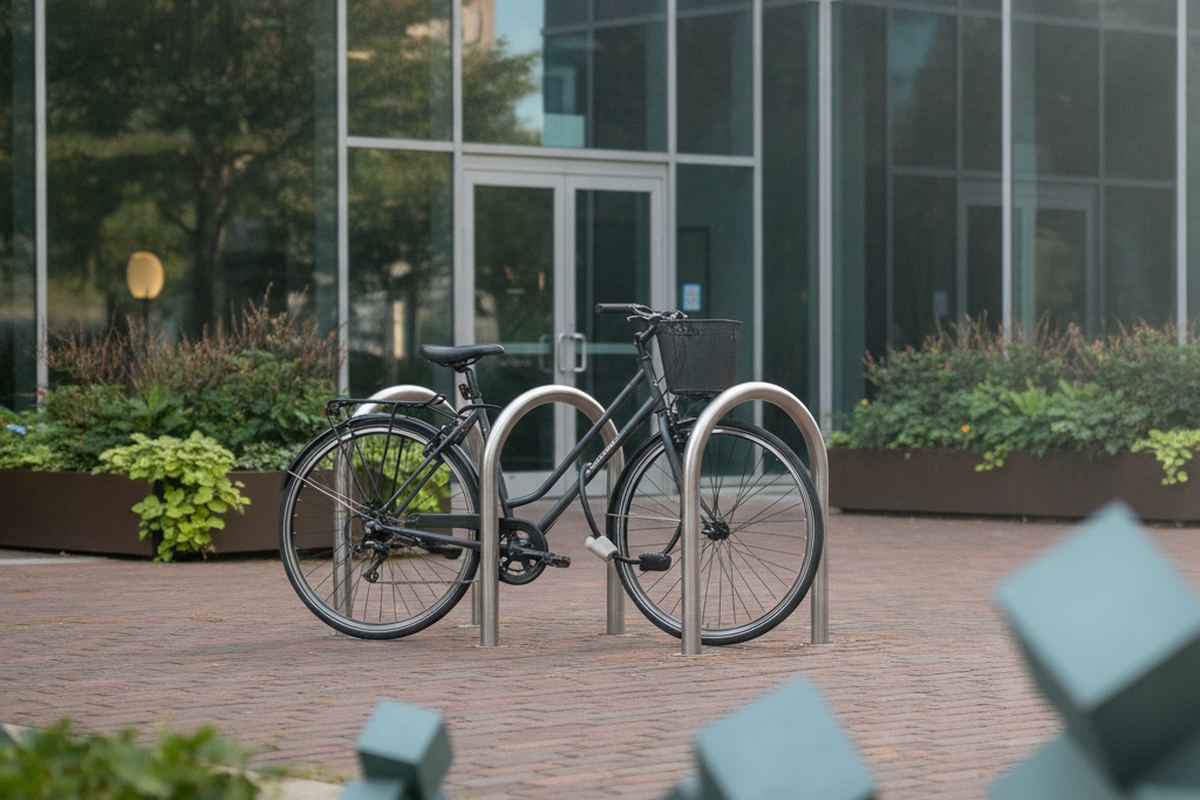
Commuting is a significant, often overlooked, expense in many household budgets. While driving, public transit, and even remote work all have their costs, bike commuting offers a unique blend of financial savings, health benefits, and environmental advantages. For 2026, understanding the concrete financial impact of swapping four wheels for two can help you make informed decisions about your daily travel. This guide details the potential savings and initial investments involved in making bicycle commuting a sustainable reality.
Unpacking the True Cost of Driving to Work
Driving to work involves more than just fuel. When calculating the true cost, consider depreciation, insurance, maintenance, parking fees, and potential traffic fines. For a typical commuter driving 20 miles round trip daily, these costs can easily accumulate. Assuming a vehicle worth $30,000, insurance premiums might average $1,800 annually, with maintenance ranging from $500 to $1,000, and fuel costs at $3.50 per gallon for a car averaging 25 miles per gallon.
Annually, this translates to fuel costs of approximately $700, plus an estimated $1,500 in insurance and $750 in maintenance. Parking can add another $500 to $2,000 per year, depending on location. The total annual cost for a daily driver could realistically fall between $3,450 and $5,450, excluding the initial vehicle purchase and significant depreciation. These figures represent a substantial portion of a household budget that could be reallocated.
Public Transit: Convenience with a Price Tag
Public transportation offers an alternative to driving, eliminating fuel and parking concerns. However, it still carries costs. Monthly passes for bus or rail systems in major metropolitan areas can range from $70 to $200. This annualizes to between $840 and $2,400. While often more affordable than driving, these costs can still add up, especially if you require transfers or use multiple systems.
Beyond the direct fare, public transit users might incur additional expenses such as short rideshares or taxi fares for the 'last mile' to or from a station, or the occasional car rental when public transport isn't feasible. The time spent commuting can also be a hidden cost, as public transit routes may not always be the most direct. Comparing these costs to bike commuting reveals different savings opportunities.
Essential Gear: Your Upfront Bike Commute Investment
The initial investment for bike commuting is primarily in equipment. A reliable commuter bicycle can range from $500 to $1,500, depending on features and brand. Essential accessories include a helmet ($50-$150), lights for visibility ($30-$100 for a set), a lock ($40-$120 to deter theft), and a rack or panniers for carrying belongings ($50-$200).
Consider also weather-appropriate clothing, such as a rain jacket ($80-$200) and reflective gear ($20-$50). While these are upfront costs, they are largely one-time expenses that, with proper care, will last for several years. The total initial outlay for a well-equipped bike commuter might range from $770 to $2,270, a figure quickly offset by ongoing savings.
- Bicycle: $500 - $1,500
- Helmet: $50 - $150
- Lights (front & rear): $30 - $100
- Lock: $40 - $120
- Rack/Panniers: $50 - $200
- Rain Gear & Reflectives: $100 - $250
Total your commute cost — fuel, parking, wear, transit, and the value of your time.
Open the Commute Cost CalculatorOngoing Costs for the Cycling Commuter
Once you have your gear, the ongoing costs of bike commuting are minimal. The primary expenses are maintenance and occasional replacement parts. An annual tune-up might cost $75-$150. Replacing tires, chains, or brake pads typically occurs every 1-3 years, depending on mileage and conditions, adding another $50-$200 per year on average.
Compared to the thousands spent annually on driving or public transit, these figures are quite low. Over a year, the ongoing costs for a bike commuter might be between $125 and $350. This represents significant savings that can be redirected towards other financial goals, such as retirement contributions or debt reduction.
Monetizing Health: The Invisible Savings
Beyond direct financial savings, bike commuting offers substantial health benefits that translate into 'invisible' monetary gains. Regular physical activity, such as cycling, can reduce the risk of chronic diseases, including heart disease, diabetes, and certain cancers. This can lead to fewer doctor visits, lower prescription costs, and potentially reduced health insurance premiums over time.
Improved physical fitness also often correlates with better mental health, reducing stress and boosting productivity. While difficult to quantify precisely, the long-term health advantages contribute significantly to overall well-being and can prevent future medical expenditures, indirectly increasing your financial health as well.
Calculating Your Net Commute Savings
Let's consider a scenario where you switch from driving (annual cost $4,000) to bike commuting. Your initial investment in gear might be $1,200. In the first year, your total outlay would be $1,200 (gear) + $250 (maintenance) = $1,450. This still represents a first-year saving of $2,550 compared to driving.
In subsequent years, with the initial gear investment paid off, your annual bike commuting costs drop to just $250, resulting in an annual saving of $3,750. Over five years, this could accumulate to over $16,000 in savings, demonstrating the substantial long-term financial benefits of choosing to bike to work.
Beyond the Wallet: Environmental and Lifestyle Benefits
Choosing to bike commute extends its benefits far beyond personal finance. Reducing your reliance on fossil fuels contributes to lower carbon emissions, aligning with environmental sustainability goals. Each mile cycled instead of driven prevents approximately one pound of CO2 from entering the atmosphere, making a tangible impact over time.
Furthermore, bike commuting often provides a more enjoyable and predictable commute. It bypasses traffic congestion, offers a consistent arrival time, and integrates exercise into your daily routine. This blend of financial, environmental, and personal well-being enhancements makes bike commuting a compelling choice for many.
The bottom line
Transitioning to bike commuting in 2026 can unlock substantial financial savings and offer a host of lifestyle improvements. By understanding the upfront investments and ongoing minimal costs, you can accurately compare it to the expenses of driving or public transit. Evaluate your current commute and consider how a bicycle could transform your daily routine and your budget.
Get more guidance like this in your inbox
Weekly emergency-fund tactics, milestone checklists, and the next article — delivered free.
Run your own number
Get a personalized emergency fund target based on your income, expenses, and job stability.
Open the calculator