Kitchen Cabinet Cost: Stock vs Semi-Custom vs Custom
The 3 cabinet tiers, real per-linear-foot pricing, and where custom is worth the premium.
Understanding kitchen cabinet costs is crucial for any homeowner planning a remodel, as cabinets often represent the largest single expense. The price of your cabinets can vary significantly based on their type: stock, semi-custom, or custom. Each category offers different levels of personalization, material quality, and construction methods, directly impacting your overall budget. This guide breaks down the distinctions and associated costs to help you make informed decisions for your kitchen project.
Stock Cabinets: Budget-Friendly and Readily Available
Stock cabinets are mass-produced in standard sizes and finishes. They are the most economical option, ideal for homeowners on a tighter budget or those needing a quick turnaround. Available at home improvement stores and online retailers, stock cabinets come in a limited range of styles, colors, and materials. While they offer less design flexibility, their affordability makes them a popular choice for many kitchen remodels.
The cost of stock cabinets typically ranges from $100 to $300 per linear foot. For a standard 10x10 kitchen, which might require approximately 20 linear feet of cabinetry, the total material cost could be between $2,000 and $6,000. Installation costs would be additional, often ranging from 20% to 50% of the cabinet price, depending on complexity and local labor rates. While options are fewer, stock cabinets provide a functional and aesthetically pleasing foundation for many kitchens.
Semi-Custom Cabinets: Balancing Cost and Personalization
Semi-custom cabinets offer a middle ground between the limited options of stock cabinets and the extensive personalization of custom designs. These cabinets are built to order but utilize standardized cabinet boxes, with a wider array of door styles, finishes, and accessories. You can often adjust dimensions in slight increments, add decorative elements, and choose from a broader selection of wood species and glazes. This flexibility allows for a more tailored look without the full expense of bespoke cabinetry.
Expect to pay between $250 and $700 per linear foot for semi-custom cabinets. Using the same 20 linear feet example for a 10x10 kitchen, the material cost would likely fall between $5,000 and $14,000. This price point allows for upgrades like soft-close drawers, specialized storage solutions, and more intricate door designs. Semi-custom cabinets are a strong choice for homeowners seeking a unique aesthetic and improved functionality without overextending their budget.
Custom Cabinets: Unrestricted Design and Premium Quality
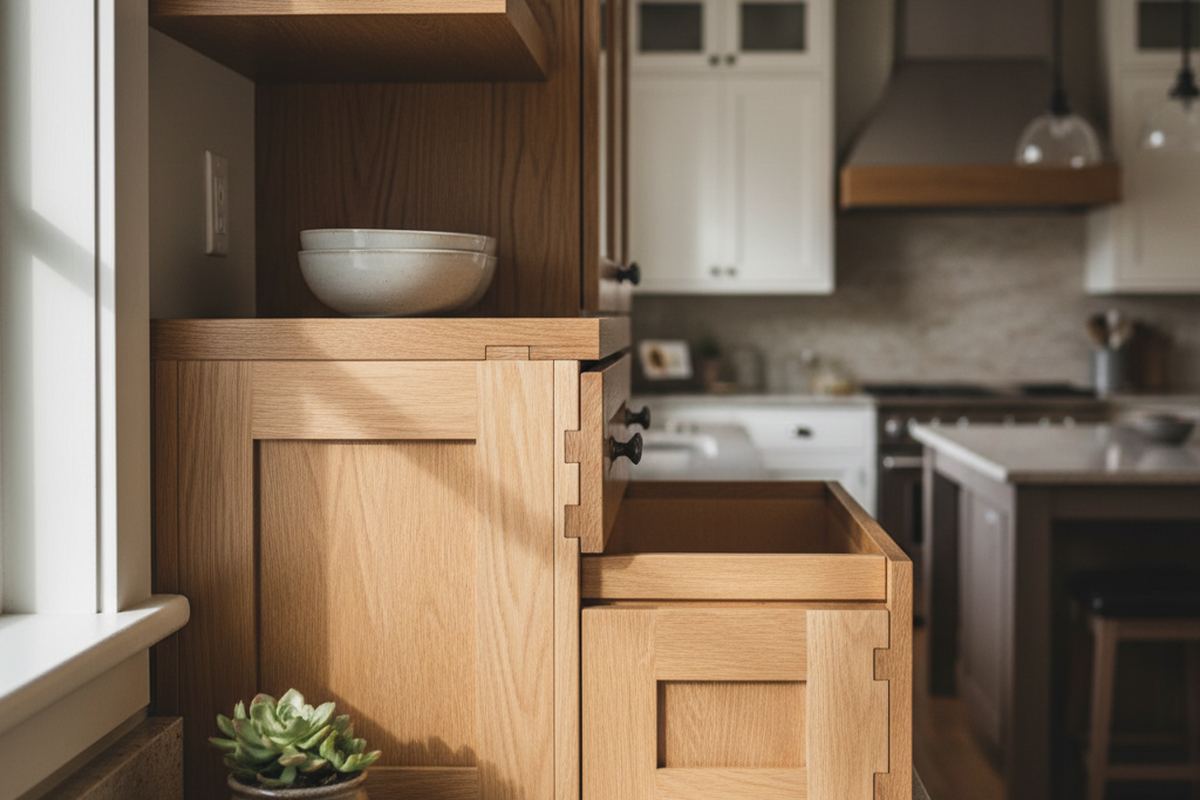
Custom cabinets are built entirely to your specifications, offering unparalleled design freedom and exceptional craftsmanship. Every aspect, from dimensions and materials to finishes and internal configurations, can be tailored to fit your exact needs and vision. This option is perfect for unique kitchen layouts, integrating high-end appliances seamlessly, or achieving a truly distinctive, high-end look. Custom cabinets often feature superior construction, such as solid wood boxes and dovetail joinery.
The investment for custom cabinets typically starts at $500 per linear foot and can exceed $1,200 per linear foot, depending on materials, complexity, and the cabinet maker's expertise. For our 20 linear foot kitchen example, the material cost could range from $10,000 to $24,000 or more. While the highest-priced option, custom cabinets provide the best fit, maximum functionality, and the highest resale value, making them a worthwhile consideration for discerning homeowners.
Build a real kitchen remodel budget by tier — cabinets, counters, appliances, labor, and contingency.
Open the Kitchen Remodel Budget PlannerMaterial and Finish Considerations
Beyond the cabinet type, the choice of materials and finishes significantly impacts the total cost. Common cabinet materials include particleboard, MDF, plywood, and various solid woods like maple, cherry, oak, and walnut. Particleboard and MDF are typically found in stock cabinets and are the least expensive, while solid hardwoods and premium plywoods are common in semi-custom and custom options, driving up the price. The durability and longevity of materials vary, with solid wood generally offering the best performance.
Finishes also play a role in cost. Basic laminates and thermofoil are economical, often used in stock cabinets. Painted finishes, especially custom colors, add to the cost, as do specialized glazes, distressing, or hand-applied techniques often found in semi-custom and custom work. For example, a painted maple cabinet will generally cost more than a stained oak cabinet due to the labor involved in achieving a smooth, durable painted surface. Consider both aesthetics and maintenance when selecting materials and finishes.
Installation Costs and Hidden Fees
Cabinet installation is a critical component of your overall budget and should not be overlooked. Professional installation ensures proper alignment, functionality, and longevity of your cabinets. Installation costs can range from 20% to 50% of the cabinet material cost, varying based on the complexity of your kitchen layout, the type of cabinets, and local labor rates. Custom cabinets, with their precise fit and often intricate details, may incur higher installation fees.
Be aware of potential hidden fees. These can include charges for demolition and removal of old cabinets, plumbing or electrical modifications required for new cabinet configurations, or unexpected structural adjustments. Always request a detailed quote from your contractor that itemizes all services, including materials, labor, and any potential additional charges. A thorough understanding of these costs will prevent budget surprises during your remodel.
When to Splurge on Custom
Deciding when to invest in custom cabinets depends on several factors, including your budget, desired aesthetic, and the unique characteristics of your home. Custom cabinets are particularly valuable for non-standard kitchen layouts, such as kitchens with unusual angles, ceiling heights, or structural elements that stock or semi-custom options cannot accommodate. They also excel when you require highly specialized storage solutions that are not available off-the-shelf, maximizing every inch of space.
Consider custom cabinets if you plan to stay in your home for many years and desire a truly bespoke, high-quality kitchen that reflects your personal style. They offer the best long-term value in terms of durability and functionality, and can significantly enhance your home's resale value, especially in higher-end properties. For a kitchen that feels uniquely yours and functions flawlessly, custom cabinetry is often the preferred choice.
Maximizing Value at Every Price Point
Regardless of whether you choose stock, semi-custom, or custom cabinets, there are strategies to maximize value. For stock cabinets, focus on functional layouts and consider adding aftermarket organizers for improved utility. With semi-custom options, prioritize upgrades that offer the most impact, such as soft-close hardware or a few key custom-sized pieces to address specific needs. Always compare quotes from multiple suppliers and installers to ensure competitive pricing.
For all cabinet types, diligent planning is key. Accurately measure your space, define your needs, and communicate clearly with your designers and contractors. Investing time in the planning phase can prevent costly changes later. Even with custom cabinets, selecting durable, classic finishes can ensure longevity and timeless appeal, protecting your significant investment for years to come.
The bottom line
Choosing the right kitchen cabinets involves balancing cost, aesthetics, and functionality. By understanding the differences between stock, semi-custom, and custom options, you can make an informed decision that aligns with your budget and vision. Careful planning and a clear understanding of all associated costs will ensure a successful and satisfying kitchen remodel.
Get more guidance like this in your inbox
Weekly emergency-fund tactics, milestone checklists, and the next article — delivered free.
Run your own number
Get a personalized emergency fund target based on your income, expenses, and job stability.
Open the calculator