Carpet vs LVP for Bedrooms: What's Actually Better?
Sound, warmth, allergen, and resale factors that make the bedroom flooring decision different from living areas.
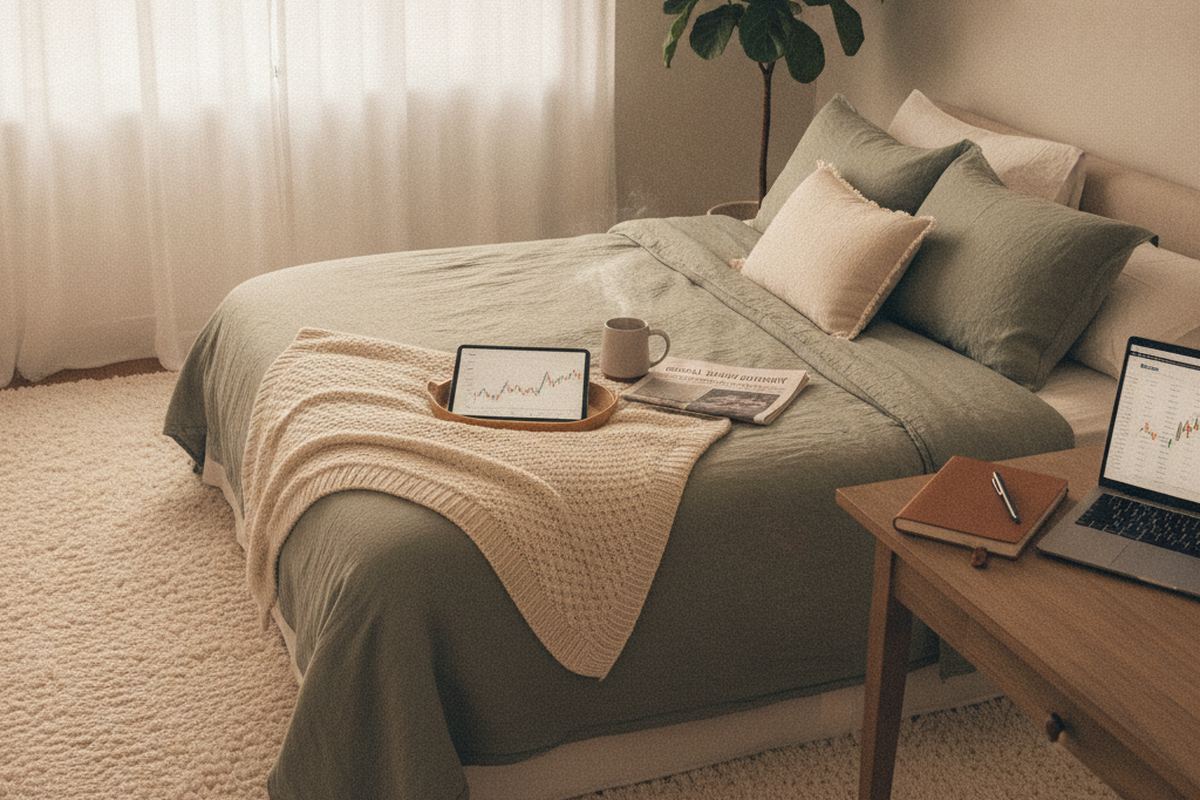
Choosing the right flooring for a bedroom involves balancing comfort, durability, and practical considerations. While aesthetics play a role, factors like sound absorption, warmth underfoot, and allergen control are particularly important in private spaces designed for rest. This guide compares carpet and Luxury Vinyl Plank (LVP), two popular options, to help you make an informed decision tailored to your bedroom's specific needs and your lifestyle.
Understanding the Key Differences
Carpet, a textile floor covering, is known for its softness and ability to absorb sound. It typically consists of an upper layer of pile attached to a backing, available in various fibers like wool, nylon, and polyester. The warmth and plush feel of carpet have historically made it a favored choice for bedrooms, contributing to a cozy and inviting atmosphere.
Luxury Vinyl Plank (LVP), on the other hand, is a multi-layered synthetic flooring product designed to mimic the appearance of natural wood or stone. Its core layers provide stability and water resistance, topped with a high-definition print layer and a transparent wear layer for durability. LVP offers a sleek, modern look and has gained significant popularity due to its resilience and ease of maintenance.
Comfort and Warmth Underfoot
For many, the primary appeal of carpet in a bedroom is its inherent comfort and warmth. Waking up and stepping onto a soft, insulated surface is a distinct advantage, especially in colder climates or during winter months. Carpet's insulating properties can also contribute to lower heating costs by helping to retain warmth within the room, making it a practical choice for energy efficiency.
LVP, while not as warm as carpet, can still be comfortable, particularly if installed over an underlayment. Some LVP products are designed with integrated insulation or can be paired with radiant heating systems to enhance their warmth. However, without these additions, LVP will generally feel cooler to the touch than carpet, which might be a consideration for those prioritizing maximum underfoot warmth.
Noise Reduction and Acoustics
Bedrooms are sanctuaries, and sound control is often a priority. Carpet excels at absorbing sound, reducing both airborne noise from outside the room and impact noise from footsteps within. This acoustic benefit creates a quieter, more peaceful environment, which is crucial for sleep and relaxation. The dense fibers of carpet effectively dampen echoes and reverberations.
LVP generally offers less sound absorption than carpet. Footsteps on LVP can be more audible, and the material itself may not absorb ambient noise as effectively. However, installing a quality underlayment specifically designed for sound reduction can significantly mitigate this issue. Some premium LVP products also feature integrated acoustic backings to improve sound performance.
- Carpet typically reduces noise by 25-50% more than hard surfaces.
- A good LVP underlayment can reduce impact sound transmission by 15-20 decibels.
Estimate flooring cost by square footage and material — with waste factor and install labor baked in.
Open the Flooring Cost CalculatorAllergens and Indoor Air Quality
A common misconception is that carpet harbors more allergens than hard flooring. While carpet can trap dust and allergens, studies suggest that it can also act as a filter, holding these particles until they are vacuumed. For individuals with allergies, regular, thorough vacuuming with a HEPA filter vacuum is essential to manage dust mites and other allergens effectively within carpeted rooms.
LVP, being a smooth, non-porous surface, does not trap allergens in the same way carpet does. Dust, pet dander, and pollen remain on the surface, making them easier to wipe or sweep away. This can be a significant advantage for severe allergy sufferers or those who prefer a flooring option that allows for more immediate removal of surface allergens.
Durability and Maintenance Considerations
Carpet durability varies widely based on fiber type, pile density, and quality. High-traffic areas might see wear sooner, but in a bedroom, carpet can last 10-15 years with proper care. Stains are a primary concern, though modern carpets often come with stain-resistant treatments. Regular vacuuming and occasional professional cleaning are necessary to maintain its appearance and extend its lifespan.
LVP is highly durable and resistant to scratches, dents, and water damage, making it an excellent choice for longevity, often lasting 15-25 years or more. Its waterproof nature makes it forgiving of spills and easy to clean with a damp mop or broom. This low-maintenance aspect is a significant draw, particularly for busy households or those with pets.
Resale Value and Cost Implications
When considering resale, LVP often holds a slight edge due to its modern appeal, durability, and low maintenance. Homebuyers frequently appreciate the look of wood-like flooring and the practicality of LVP throughout a home. While carpet is still popular in bedrooms, its condition and style can be more subjective to a buyer's preference, potentially requiring replacement if outdated or worn.
The initial cost for carpet can range from $2.50 to $7.00 per square foot installed, depending on quality and fiber. LVP typically falls between $3.00 to $10.00 per square foot installed, with higher-end products mimicking natural materials more closely. These figures are estimates for 2026 and can fluctuate based on location, brand, and installation complexity. Factor in both material and labor costs when budgeting.
Making the Right Choice for Your Bedroom
The 'better' flooring ultimately depends on your personal priorities for a bedroom. If warmth, softness underfoot, and superior sound absorption are paramount, and you're committed to regular cleaning, carpet remains an excellent choice. It creates a distinctly cozy and quiet retreat, ideal for rest and relaxation. Modern stain-resistant carpets also address some historical concerns.
If durability, ease of cleaning, water resistance, and a sleek aesthetic are higher on your list, LVP is a compelling option. Its versatility allows it to complement various decor styles, and its resilience makes it a practical choice for active households. Consider your lifestyle, budget, and long-term goals for the space when weighing these factors.
The bottom line
Evaluate your specific needs for comfort, maintenance, and sound control within your bedroom. Consider how each option aligns with your daily routine and aesthetic preferences. By carefully reviewing these aspects, you can select the flooring that best enhances your personal sanctuary.
Get more guidance like this in your inbox
Weekly emergency-fund tactics, milestone checklists, and the next article — delivered free.
Run your own number
Get a personalized emergency fund target based on your income, expenses, and job stability.
Open the calculator