Container Gardening on a Real Budget
The 2026 cost to build a productive container garden — apartment or patio.
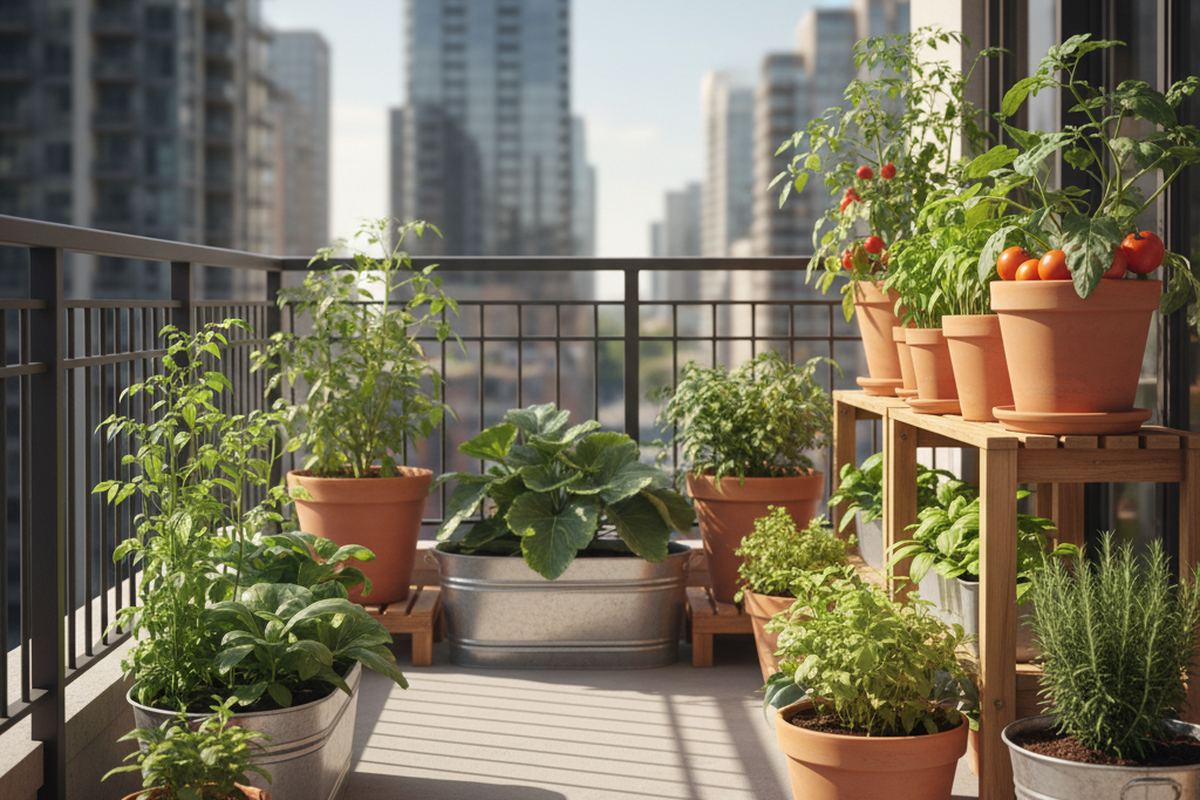
Container gardening offers a flexible and rewarding way to grow your own food, even with limited space. This method is particularly appealing for apartment dwellers, those with small yards, or anyone looking to supplement their grocery budget with fresh produce. Understanding the initial investment and ongoing costs is crucial for success without overspending. This guide will outline how to establish a productive container garden on a realistic budget for 2026.
Assessing Your Space and Sunlight
Before purchasing any supplies, take stock of your available space. Measure the area where you plan to place your containers, noting any obstructions or uneven surfaces. This step helps determine the maximum number and size of containers you can accommodate, preventing unnecessary purchases. Consider vertical gardening options if horizontal space is limited, such as tiered planters or wall-mounted systems.
Sunlight is a key factor for most vegetables, with at least 6-8 hours of direct sun per day being ideal. Observe your chosen spot throughout the day to track sun exposure. If your space receives less light, focus on shade-tolerant crops like leafy greens (lettuce, spinach), radishes, or certain herbs. Matching plants to your light conditions will save you money on replacements and increase your harvest yield.
Smart Container Choices for Cost Savings
Containers are a primary expense, but there are many budget-friendly options. Instead of buying new terracotta or ceramic pots, consider repurposing items like 5-gallon buckets, laundry baskets (lined with landscape fabric), or sturdy plastic storage bins. Ensure any repurposed container has adequate drainage holes, which can be drilled if necessary. Fabric grow bags are also an economical choice, often costing $2-$10 each, and promote healthy root growth.
When purchasing new containers, look for sales, end-of-season clearances, or multi-packs. A 10-gallon grow bag might cost $5-$8, while a similar plastic pot could be $10-$20. Prioritize larger containers (5 gallons or more) for fruiting vegetables like tomatoes and peppers, as they require more soil volume. Smaller containers are suitable for herbs and leafy greens, reducing the overall soil needed.
Economical Soil and Nutrient Management
Potting mix is another significant cost. Avoid using garden soil, as it compacts in containers and can introduce pests and diseases. Instead, opt for a high-quality potting mix, which typically costs $10-$20 for a 1.5 cubic foot bag. To extend your budget, consider mixing your own potting medium using coco coir, perlite, and compost, which can reduce costs by 20-30% compared to pre-bagged mixes. Always ensure good drainage and aeration for root health.
For nutrients, compost is your best friend. Start a small compost bin with kitchen scraps and yard waste to create free, nutrient-rich soil amendments. If composting isn't feasible, a slow-release granular fertilizer ($15-$30 for a 1-2 lb box) applied at planting and mid-season can provide essential nutrients. Liquid fertilizers, while effective, often require more frequent application and can be more expensive long-term.
Plan a real garden — bed size, soil, mulch, and grocery-equivalent yield.
Open the Garden PlannerSeed vs. Starter Plants: Maximizing Your Investment
Starting plants from seed is generally more cost-effective than buying mature starter plants. A packet of seeds, typically costing $2-$5, can yield dozens of plants, whereas a single starter plant might cost $3-$6. For crops like lettuce, radishes, and beans, direct sowing seeds into containers is straightforward and highly economical. This approach also gives you access to a wider variety of plant types.
However, for plants with longer growing seasons or those that are difficult to start from seed (e.g., tomatoes, peppers, eggplant), starter plants can be a worthwhile investment. Look for healthy, compact plants without yellowing leaves or signs of pests. Purchasing starter plants for these varieties can save you time and reduce the risk of germination failures, ensuring a quicker path to harvest. Aim for a mix of both methods to balance cost and convenience.
Watering and Pest Control on a Budget
Efficient watering is crucial for container gardens. Overwatering wastes water and can lead to root rot, while underwatering stresses plants. Consider using self-watering containers or adding water retention crystals to your potting mix to reduce watering frequency, especially in hot climates. A simple watering can is often sufficient, but for multiple containers, a hose with a gentle spray nozzle is more efficient. Collecting rainwater is a free and sustainable watering solution.
For pest control, focus on prevention first. Healthy plants are more resistant to pests. Regularly inspect your plants for early signs of trouble. For common pests like aphids, a strong spray of water can dislodge them. A homemade insecticidal soap solution (a few drops of dish soap in a spray bottle of water) is an inexpensive and effective treatment. Introduce beneficial insects like ladybugs, which can be purchased online for $10-$20, as a natural pest deterrent for larger gardens.
Planning for 2026: Estimated Costs and Savings
For a small container garden (5-10 containers) in 2026, initial setup costs can range from $75 to $200. This estimate includes repurposed containers, a few bags of potting mix, a selection of seeds and a few starter plants, and basic fertilizer. Ongoing costs, primarily for water and occasional pest treatments, might add $10-$25 per month during the growing season. These figures are averages and can vary based on your location and specific choices.
By carefully planning, repurposing materials, and growing from seed, you can significantly reduce these costs. A well-managed container garden can yield a substantial amount of fresh produce, offsetting grocery expenses. For example, a single tomato plant can produce 10-20 pounds of fruit, potentially saving $30-$60 on store-bought tomatoes over a season. The savings grow with the scale and efficiency of your garden.
Maximizing Your Harvest and Enjoying the Benefits
Consistent care, including regular watering, occasional feeding, and timely harvesting, will maximize your container garden's output. Many plants, like lettuce, spinach, and basil, can be harvested repeatedly throughout the season. Learn about succession planting, where you plant new seeds or seedlings every few weeks, to ensure a continuous supply of fresh produce. This strategy extends your harvest window and makes the most of your container space.
Beyond the financial savings, container gardening offers numerous benefits, including access to fresh, organic produce, reduced food miles, and the satisfaction of growing your own food. It's a rewarding hobby that connects you with nature and can contribute to a healthier lifestyle. With careful planning and smart choices, a productive container garden is achievable on almost any budget.
The bottom line
Building a thriving container garden doesn't require a large upfront investment. By focusing on smart choices for containers, soil, and plants, and implementing cost-effective watering and pest control strategies, you can enjoy fresh produce without breaking your budget. Start small, learn from your experiences, and expand as your confidence and resources grow.
Get more guidance like this in your inbox
Weekly emergency-fund tactics, milestone checklists, and the next article — delivered free.
Run your own number
Get a personalized emergency fund target based on your income, expenses, and job stability.
Open the calculator