Average Credit Card Debt by Income Bracket: Where Do You Stand?
Average credit card debt in the U.S. varies dramatically by income. Here's the 2026 data by bracket — and what 'normal' actually looks like.
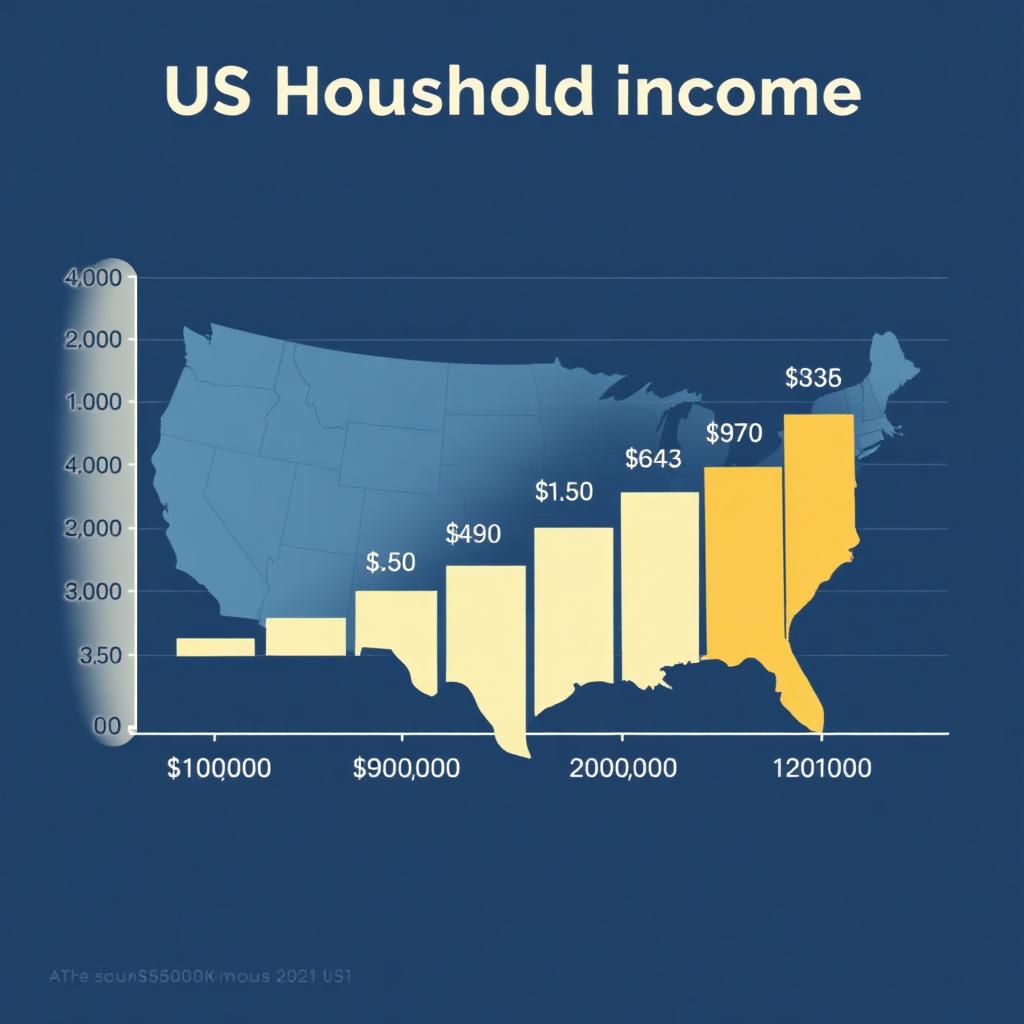
The 'average American has $X in credit card debt' headline is misleading — averages smear together households with $0 balances and households with $30,000+ balances. The honest picture requires looking at credit card debt by income bracket and at the median, not just the mean.
2026 averages by household income
- Under $35,000: ~$3,500 average; ~$1,400 median
- $35,000–$74,999: ~$5,700 average; ~$2,500 median
- $75,000–$124,999: ~$7,800 average; ~$3,800 median
- $125,000–$199,999: ~$10,200 average; ~$5,100 median
- $200,000+: ~$13,400 average; ~$6,200 median
Why higher incomes carry more debt
Higher credit limits, higher lifestyle expenses, and the assumption that 'I can pay it off' all contribute. The dollar amounts are bigger but the debt-to-income ratios are often similar — about 6–10% of annual gross income across most brackets.
Where you should be
Healthy credit card debt is zero — pay statement balances in full every month. If you carry a balance, healthy is under 10% of annual gross income and decreasing month over month. Above 20% of annual income is high-stress territory.
Enter your card balances, APRs, and monthly budget — see your exact payoff date and total interest under both snowball and avalanche, side by side.
Open the Credit Card Payoff CalculatorWhy median matters more than average
Roughly 40% of U.S. households carry no credit card debt month to month. They don't appear in averages of debt-carrying households but they pull the all-household average down. Median for households that actually carry debt is a better target — and it's lower than the headline 'average' number.
If your debt is above the median for your bracket
You're not alone, and you're not doomed — but you do need a plan. Run the calculator, pick snowball or avalanche, commit a fixed monthly amount above your minimums, and project your exact payoff date. Compare yourself to your future self at payoff, not to averages.
Get more guidance like this in your inbox
Weekly emergency-fund tactics, milestone checklists, and the next article — delivered free.
Run your own number
Get a personalized emergency fund target based on your income, expenses, and job stability.
Open the calculator