DIY Roof Replacement: The Real Cost (and Why Most Skip It)
Materials, tools, dumpster, permits, and insurance risks of doing your own tear-off and reroof.
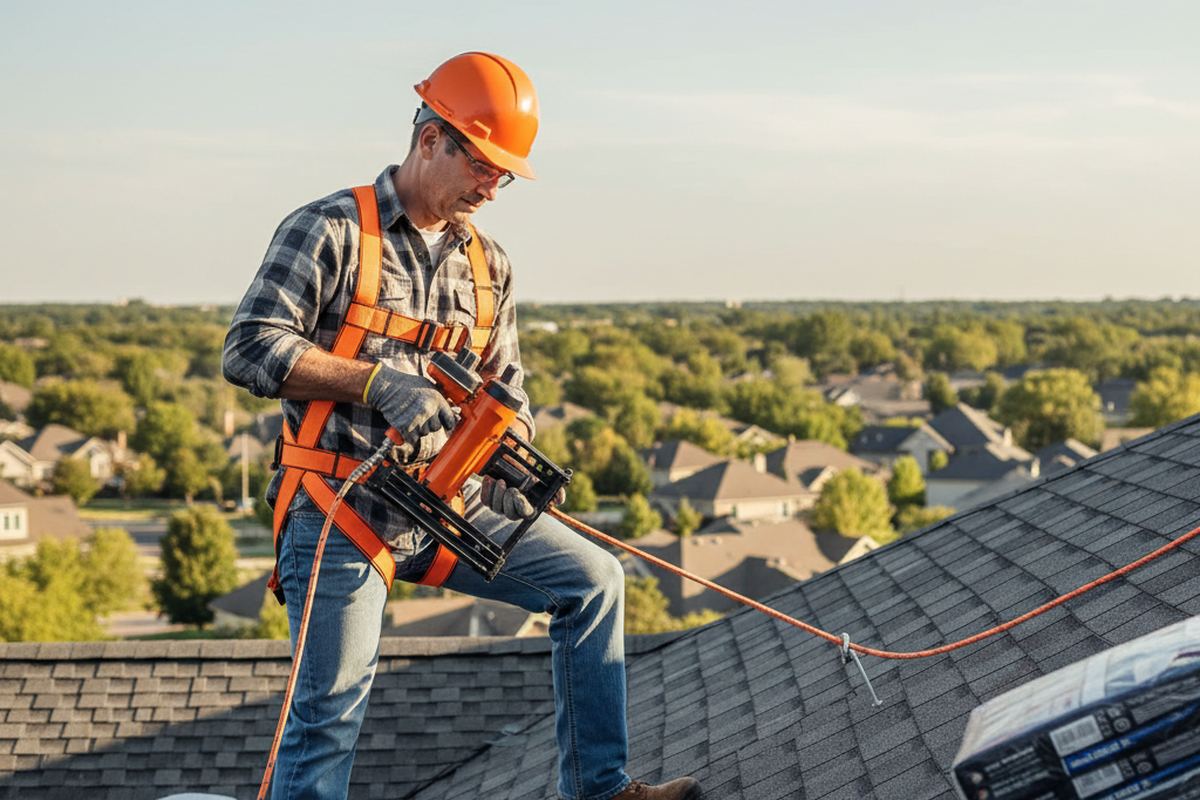
Replacing a roof is a significant home improvement project, often costing tens of thousands of dollars. Faced with these figures, many homeowners consider tackling the job themselves to save money. While the appeal of DIY is strong, especially for those with construction experience, a roof replacement involves more than just physical labor. Understanding the true financial and logistical scope is crucial before deciding to take on such a demanding task. This article breaks down the often-overlooked expenses and challenges of a DIY roof replacement.
Material Costs: Beyond the Shingles
The primary expense for any roof replacement is materials. For a typical 2,000 square foot roof, covering approximately 20 squares, asphalt shingles alone can range from $1,500 to $4,000, depending on the shingle type and quality. However, shingles are only one component. You also need underlayment, drip edge, flashing, starter strips, ridge caps, and plenty of nails. These essential components add another $500 to $1,500 to your material budget.
Specialty items like ice and water shield, crucial in colder climates, can significantly increase costs, particularly if applied beyond the eaves. Proper ventilation, including ridge vents and soffit vents, is also critical for roof longevity and often requires new materials. When budgeting, it's wise to factor in a 10-15% overage for unexpected material needs or waste, as miscalculations can lead to multiple trips to the supplier, wasting both time and money.
Essential Tools and Equipment Rental
A professional roofing crew arrives with a truck full of specialized tools, many of which are not standard homeowner items. For a DIY project, you'll need a roofing nail gun, air compressor, safety harnesses, ropes, fall protection anchors, heavy-duty pry bars, and a shingle cutter. Even if you own some basic tools, renting or purchasing specialty equipment can quickly add up. A quality roofing nailer alone can cost $200-$400, and an air compressor suitable for roofing adds another $300-$600.
Beyond hand tools, consider the need for a safety ladder tall enough to reach your roofline securely, which can be an investment of $200-$500. If your roof is particularly steep or high, scaffolding might be necessary, incurring rental costs of $100-$300 per week. These equipment expenses are often overlooked, yet they are non-negotiable for a safe and efficient job. Factor in costs for personal protective equipment (PPE) like gloves, safety glasses, and sturdy work boots.
Waste Disposal: The Unseen Logistics
Tearing off an old roof generates a surprising amount of debris. A 2,000 square foot roof can produce 2-4 tons of old shingles, felt, and nails. This waste cannot simply be put out with regular trash. Renting a dumpster is almost always necessary, with costs varying significantly by region and duration. Expect to pay anywhere from $300 to $700 for a 20-yard dumpster for a week, plus potential overage fees if you exceed weight limits.
Beyond the rental fee, consider the logistics of loading the dumpster. You'll need to manually carry or chute all the old roofing materials from the roof to the dumpster. This is labor-intensive and messy. Failing to properly dispose of debris can lead to fines or environmental issues, adding further unexpected costs to your project. Proper planning for waste management is as critical as material selection.
Estimate roof replacement cost by square footage, pitch, and material — get a realistic 2026 number in under a minute.
Open the Roof Replacement CalculatorPermits and Building Codes
Most municipalities require a building permit for roof replacement projects to ensure the work meets local building codes and safety standards. Permit fees typically range from $100 to $500, but can be higher depending on your location and the scope of work. Obtaining a permit involves submitting an application, and sometimes drawings or specifications, and then undergoing inspections by a city official during and after the roofing process.
Navigating permit applications and understanding local building codes can be a complex process for homeowners unfamiliar with the requirements. Failure to secure a permit can result in fines, delays, or even the requirement to remove and redo work. These regulations are in place for safety and structural integrity, and understanding them is a critical, though often underestimated, part of the DIY process.
Insurance Risks and Liability
One of the most significant, yet often ignored, risks of a DIY roof replacement is the potential for personal injury or property damage. Roofing is inherently dangerous, involving heights, heavy materials, and power tools. If you sustain an injury, your health insurance may cover medical costs, but lost wages and long-term disability are not typically covered by standard homeowner's insurance if you are acting as your own contractor. A fall from a roof can result in severe, life-altering injuries.
Furthermore, if property damage occurs during the project – for example, if a tool falls and damages a neighbor's car, or if improper installation leads to a leak that damages your home's interior – your homeowner's insurance might deny claims if the work was performed by an unqualified individual (you). Professional roofers carry liability insurance and workers' compensation coverage, protecting both themselves and the homeowner from these substantial risks. The financial exposure from an accident can easily outweigh any perceived savings from DIY.
Time Commitment and Hidden Labor Costs
While you won't pay yourself an hourly wage, your time has value. A professional crew can strip and re-roof a typical residential home in 1-3 days. For a DIY homeowner, this project can easily consume several weekends or even weeks, especially if you have limited experience or need to work around weather conditions. This extended timeline can impact family time, work commitments, and overall household routines. The physical toll of roofing is also substantial, requiring sustained effort in potentially difficult weather.
Consider the cost of unexpected delays. If rain is forecast, you might need to quickly secure the roof with tarps, adding to the workload and stress. Any mistakes during installation, such as improperly fastened shingles or inadequate flashing, can lead to costly leaks down the line, requiring professional repairs that negate initial savings. The "hidden cost" of your personal time, effort, and potential for rework should be a major consideration in your decision-making process.
Resale Value and Warranty Implications
The quality of a roof installation can significantly impact a home's resale value and its marketability. A professionally installed roof with a transferable warranty from a reputable contractor is a strong selling point. If you DIY your roof, potential buyers may be concerned about the quality of the workmanship, especially if they cannot verify it with a professional warranty. An improperly installed roof could be flagged during a home inspection, leading to demands for repairs or a lower selling price.
Manufacturer warranties for roofing materials often have specific installation requirements that must be met by a certified professional to remain valid. If you install the roof yourself, you might inadvertently void the material warranty, leaving you without recourse if the shingles fail prematurely. While saving money upfront is appealing, the long-term financial implications for resale and warranty coverage are critical to consider.
The bottom line
While the prospect of saving money on a roof replacement through DIY is attractive, the reality involves substantial costs for materials, tools, permits, and waste disposal. More importantly, the significant risks associated with safety, insurance liability, and potential damage or warranty issues often outweigh the financial savings. For most homeowners, the complexity, physical demands, and inherent dangers of roofing make it a project best left to experienced professionals.
Get more guidance like this in your inbox
Weekly emergency-fund tactics, milestone checklists, and the next article — delivered free.
Run your own number
Get a personalized emergency fund target based on your income, expenses, and job stability.
Open the calculator