Driveway Cost in 2026: Every Material Compared
Concrete, asphalt, gravel, and pavers — full 2026 pricing by material and size.
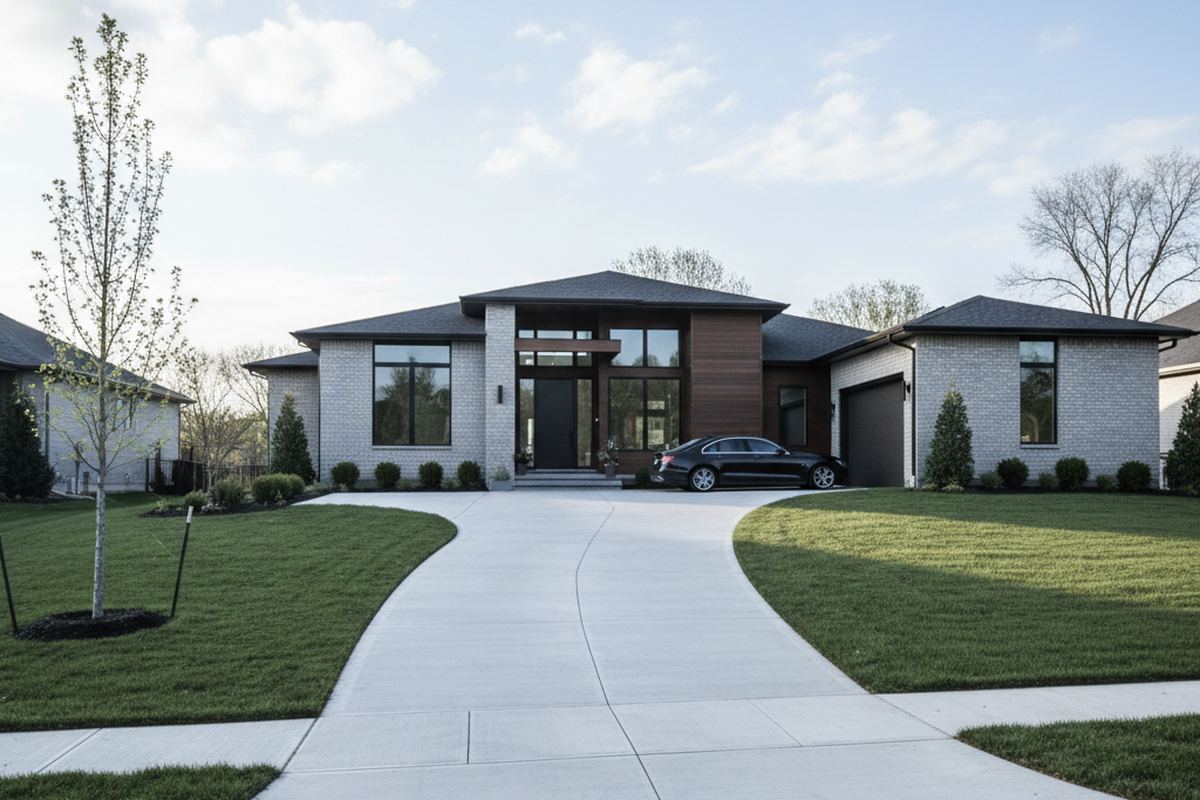
Understanding the cost of a new or replacement driveway is a crucial first step for any homeowner project. In 2026, material choices, labor rates, and regional factors significantly influence the final price tag. This guide breaks down the expenses associated with the most common driveway materials, helping you budget effectively and make an informed decision. We'll compare concrete, asphalt, gravel, and pavers, offering insights into their durability and maintenance needs alongside their price.
Asphalt Driveways: Economical and Flexible
Asphalt remains a popular choice for its relatively lower upfront cost and quick installation. In 2026, homeowners can expect to pay between $3.00 and $7.00 per square foot for a new asphalt driveway, depending on local labor rates, the complexity of the job, and the thickness of the asphalt layer. For a standard 500-square-foot driveway, this translates to a total cost ranging from $1,500 to $3,500.
While asphalt is more flexible and less prone to cracking than concrete in certain climates, it requires more frequent maintenance. Sealcoating every two to five years is essential to protect it from weather elements and extend its lifespan. Each sealcoating application typically costs between $0.30 and $0.70 per square foot, adding to the long-term ownership expense.
Gravel Driveways: The Budget-Friendly Option
Gravel driveways offer the most economical solution for homeowners, with average costs in 2026 ranging from $1.00 to $3.00 per square foot. This includes the cost of materials and basic installation. For a 500-square-foot driveway, the total investment could be as low as $500 to $1,500. This affordability makes gravel an attractive option for longer driveways or those on a tighter budget.
However, gravel driveways demand regular upkeep. They require periodic replenishment of stones, especially after heavy rains or snowmelt, and frequent raking to maintain an even surface. While the initial cost is low, consider the ongoing effort and expense of maintaining a smooth, weed-free gravel surface over time.
Concrete Driveways: Durable and Versatile
Concrete is a highly durable and long-lasting material, making it a sound investment for many homeowners. In 2026, the average cost for a standard concrete driveway ranges from $5.00 to $15.00 per square foot. This range accounts for variations in concrete thickness, reinforcement, and local labor rates. A 500-square-foot concrete driveway could therefore cost between $2,500 and $7,500.
Decorative concrete options, such as stamped, stained, or exposed aggregate finishes, can significantly increase the price, often adding an extra $2.00 to $10.00 per square foot. While these finishes enhance curb appeal, they also contribute to the overall project budget. Concrete requires minimal maintenance, typically just occasional cleaning and crack sealing, which contributes to its long-term value.
Estimate driveway cost by material, size, and demo needs — before the contractor visit.
Open the Driveway Cost EstimatorPaver Driveways: Premium Aesthetics and Longevity
Paver driveways offer superior aesthetic appeal and exceptional durability, but they come at a higher price point. In 2026, expect to pay between $10.00 and $30.00 per square foot for paver installation, which includes the pavers themselves, base preparation, and labor. A 500-square-foot paver driveway project could range from $5,000 to $15,000.
The cost variation depends on the type of paver (concrete, brick, natural stone), complexity of the design, and site preparation required. While the initial outlay is substantial, pavers are highly durable, resistant to cracking, and individual units can be replaced if damaged, offering a long lifespan and excellent return on investment in terms of curb appeal.
- Concrete Pavers: $10 - $20 per square foot installed
- Brick Pavers: $15 - $25 per square foot installed
- Natural Stone Pavers: $20 - $30+ per square foot installed
Key Factors Influencing Driveway Costs
Several elements beyond the material itself impact the total cost of your driveway project. Site preparation is often a significant factor, especially if old material needs to be removed or extensive grading is required. The complexity of the driveway's shape, the slope of the land, and the need for drainage solutions can also add to labor and material expenses. Permits, which vary by municipality, are an additional cost to factor in.
Regional labor rates play a substantial role in overall pricing. Contractors in areas with a higher cost of living or strong demand may charge more per hour. Always obtain multiple quotes from reputable contractors to compare pricing and ensure you are getting a fair market rate for your specific project and location. Material delivery costs can also vary based on distance and quantity.
- Size and shape of the driveway
- Existing driveway removal and disposal
- Site preparation and grading
- Drainage requirements
- Local labor rates
- Permit fees
Long-Term Value and Maintenance Considerations
When choosing a driveway material, consider not just the upfront cost but also the long-term value and maintenance requirements. While gravel is the cheapest initially, its ongoing need for replenishment and raking can add up over time. Asphalt requires regular sealcoating, which extends its life but incurs periodic expenses. Concrete offers good durability with minimal maintenance, making its higher upfront cost justifiable for many.
Pavers, despite their high initial investment, offer excellent longevity and the ability to repair individual sections, often making them a cost-effective choice over several decades. Evaluate your budget, aesthetic preferences, and willingness to perform ongoing maintenance when selecting the best driveway material for your home. A higher initial cost may translate to lower maintenance demands and greater curb appeal in the long run.
The bottom line
Choosing the right driveway material involves balancing initial cost, desired aesthetics, and long-term maintenance. By understanding the 2026 pricing for asphalt, gravel, concrete, and pavers, you can confidently plan your project. Factor in site specific conditions and obtain detailed quotes to ensure your budget aligns with your expectations.
Get more guidance like this in your inbox
Weekly emergency-fund tactics, milestone checklists, and the next article — delivered free.
Run your own number
Get a personalized emergency fund target based on your income, expenses, and job stability.
Open the calculator