Driveway Lifespan by Material: The 30-Year View
How long each driveway material actually lasts with average upkeep.
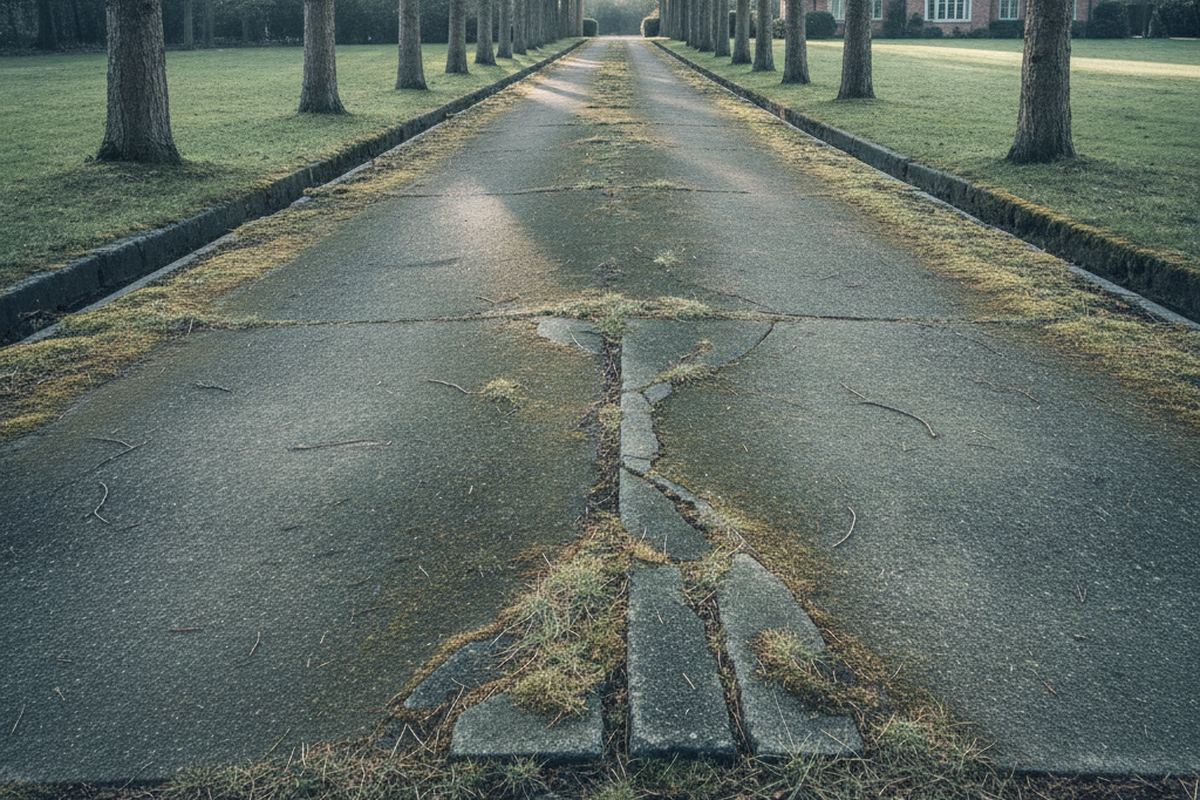
Understanding the expected lifespan of different driveway materials is crucial for any homeowner considering a new installation or replacement. Beyond the initial cost, the longevity of your driveway directly impacts its long-term value and maintenance requirements. This guide explores the typical durability of common driveway types, providing a 30-year perspective to help you make an informed decision. We'll examine how factors like climate, traffic, and maintenance influence these lifespans, ensuring you choose a material that aligns with your budget and lifestyle.
Asphalt: A Cost-Effective, Mid-Range Option
Asphalt driveways are a popular choice due to their relatively lower upfront cost and quick installation. On average, an asphalt driveway can be expected to last between 15 to 25 years with proper maintenance. This range can fluctuate significantly based on local climate conditions, such as extreme temperature swings that cause expansion and contraction, and the frequency of heavy vehicle traffic.
Regular maintenance is key to maximizing asphalt's lifespan. This includes sealing the surface every 2 to 5 years, which helps protect against water penetration and UV damage. Promptly addressing cracks and potholes through patching can prevent minor issues from escalating into major, costly repairs, ultimately extending the life of your driveway closer to the 25-year mark.
Concrete: Durability with a Higher Initial Investment
Concrete driveways offer superior durability compared to asphalt, typically lasting between 25 to 40 years. This extended lifespan often justifies the higher initial material and installation costs. Concrete is less susceptible to temperature fluctuations and can withstand heavier loads, making it suitable for areas with frequent heavy vehicle use or harsh weather.
While concrete requires less frequent maintenance than asphalt, it is not entirely maintenance-free. Sealing concrete every 3 to 5 years can help protect against stains, moisture, and freeze-thaw cycles, particularly in colder climates. Addressing cracks early through caulking or repair can prevent water from seeping underneath and compromising the sub-base, which is vital for its long-term integrity.
Pavers: Aesthetic Appeal and Long-Term Value
Interlocking paver driveways are known for their aesthetic versatility and exceptional longevity, often lasting 30 to 50 years or even longer. While they represent a higher initial investment, their modular design allows for easy repair of individual sections without replacing the entire driveway. This makes them a durable and flexible long-term solution for many homeowners.
Maintenance for paver driveways primarily involves routine cleaning and occasional re-sanding of the joints to prevent weed growth and maintain stability. Sealing pavers every 3 to 5 years can enhance their color, protect against stains, and improve their resistance to weathering. Despite the higher upfront cost, the extended lifespan and ease of repair contribute to a favorable long-term cost of ownership.
Estimate driveway cost by material, size, and demo needs — before the contractor visit.
Open the Driveway Cost EstimatorGravel: Economical and Adaptable
Gravel driveways are the most economical option initially, with a typical lifespan of 10 to 20 years, though this can be highly variable. Their longevity largely depends on the quality of the sub-base preparation, the type of gravel used, and the level of ongoing maintenance. Gravel is a good choice for rural properties or those seeking a rustic aesthetic.
Maintaining a gravel driveway involves regular raking to redistribute stones, adding new gravel to fill low spots, and addressing weed growth. Proper drainage is critical to prevent erosion and preserve the driveway's structure. While requiring more frequent attention, the simplicity of repair and low material cost make it a flexible option for some homeowners.
Considering Climate and Traffic Impacts
The estimated lifespans for each material are averages; local conditions play a significant role. Regions with harsh winters, including frequent freeze-thaw cycles and heavy snow, can reduce the lifespan of asphalt and concrete if not properly maintained. Conversely, areas with consistent mild climates may see materials last on the higher end of their expected range.
Vehicle traffic also directly impacts durability. A driveway serving a single-family home with one or two cars will endure far less wear and tear than one used by multiple vehicles daily, or one that frequently accommodates heavy trucks. Factoring in your specific usage patterns is essential when evaluating a material's suitability and expected longevity.
The Value of Professional Installation and Maintenance
Regardless of the material chosen, professional installation is paramount to achieving the maximum possible lifespan. A properly prepared sub-base, correct material application, and adequate drainage are foundational elements that prevent premature failure. Skimping on installation quality can significantly reduce even the most durable material's life expectancy.
Consistent, proactive maintenance is the single most effective way to extend any driveway's life. This includes routine cleaning, timely repairs of minor damage, and periodic sealing as recommended for the specific material. Investing in regular upkeep can save substantial costs on major repairs or early replacement down the line.
- Professional installation ensures proper sub-base and drainage.
- Regular sealing protects against weather and wear.
- Timely repair of cracks and potholes prevents escalation.
- Routine cleaning removes debris that can cause damage.
The bottom line
Choosing the right driveway material involves balancing initial cost, aesthetic preferences, and expected lifespan. By understanding the average durability and maintenance needs of each option, homeowners can make a decision that provides lasting value. Consider your local climate, expected traffic, and commitment to maintenance to ensure your investment stands the test of time.
Get more guidance like this in your inbox
Weekly emergency-fund tactics, milestone checklists, and the next article — delivered free.
Run your own number
Get a personalized emergency fund target based on your income, expenses, and job stability.
Open the calculator