Driveway Sealing: 2026 Cost, Frequency, and DIY Tips
How often to seal a driveway, the 2026 cost, and where DIY sealing works.
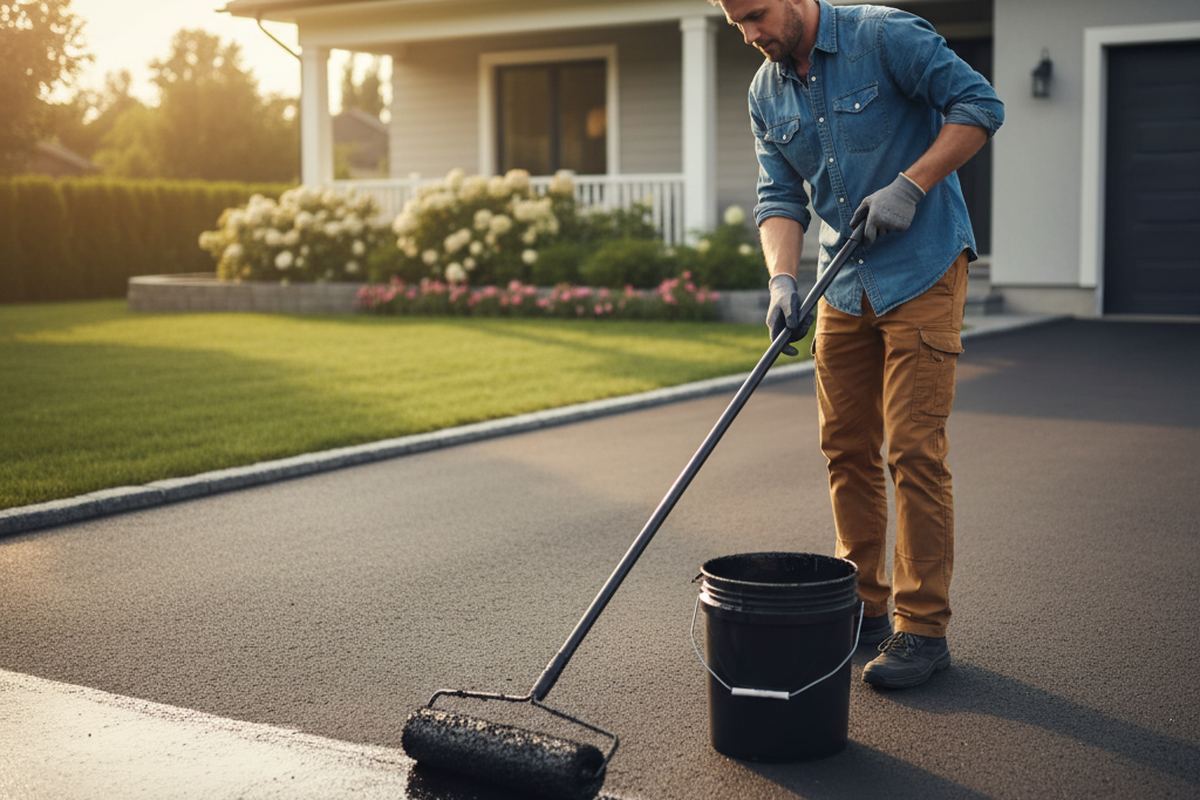
Understanding the cost and frequency of driveway sealing is crucial for maintaining your home's curb appeal and protecting your investment. Properly sealed driveways resist weather damage, oil stains, and cracks, significantly extending their lifespan. This guide breaks down what homeowners can expect to pay for professional sealing in 2026, how often this maintenance is needed, and practical tips for those considering a do-it-yourself approach. Knowing these details helps you budget effectively and make informed decisions about your driveway's care.
Why Driveway Sealing Matters for Longevity
Driveway sealing serves as a protective barrier against various elements that degrade asphalt and concrete over time. For asphalt, sealants prevent oxidation from UV rays, which can cause the binder to dry out and lead to cracking and crumbling. It also fills minor surface imperfections, creating a smoother, more uniform appearance. For concrete, sealers repel water intrusion, preventing freeze-thaw damage and reducing surface staining from oil, chemicals, and organic growth.
Beyond protection, sealing enhances the aesthetic appeal of your driveway, giving it a rich, dark finish for asphalt or a clean, consistent look for concrete. This improved appearance contributes to your home's overall curb appeal and can even increase its market value. Regular sealing, therefore, is not just about maintenance; it's about preserving both the structural integrity and visual quality of a significant part of your property.
Professional Driveway Sealing Costs in 2026
The cost of professional driveway sealing in 2026 typically ranges from $0.25 to $0.70 per square foot, depending on the material, condition of the existing driveway, and geographical location. For an average two-car asphalt driveway (approximately 400-500 square feet), this could translate to a total cost between $100 and $350. Concrete sealing might be slightly higher due to different material costs and application techniques, potentially ranging from $0.35 to $0.80 per square foot.
Factors influencing these costs include the type of sealant used (e.g., acrylic, epoxy, coal tar, asphalt emulsion), the amount of preparation required (cleaning, crack filling, oil stain removal), and local labor rates. Some contractors may offer package deals for larger driveways or for combining sealing with other maintenance services. Always obtain multiple quotes to ensure competitive pricing and a clear understanding of what's included in the service.
Optimal Sealing Frequency for Asphalt and Concrete
For asphalt driveways, it is generally recommended to seal them every two to three years. The first sealing should ideally occur within one year of installation, after the asphalt has fully cured. After that, the two-to-three-year cycle helps maintain the protective layer before significant degradation sets in. High-traffic driveways or those in harsh climates with extreme temperature fluctuations might benefit from sealing every other year.
Concrete driveways typically require sealing less frequently, usually every three to five years. The specific type of concrete sealant (penetrating vs. topical) and the local environmental conditions can influence this timeline. A good indicator that your concrete driveway needs sealing is when water no longer beads on the surface but soaks in. Regular inspection of your driveway for signs of wear, fading, or minor cracks will help you determine the precise timing for sealing.
Estimate driveway cost by material, size, and demo needs — before the contractor visit.
Open the Driveway Cost EstimatorDIY Driveway Sealing: When It Makes Sense
Attempting to seal your driveway yourself can be a cost-effective option, particularly for smaller, well-maintained driveways with minimal damage. DIY sealing project costs typically range from $0.10 to $0.25 per square foot for materials, meaning a 400-500 square foot asphalt driveway could cost $40 to $125 for sealant alone. This approach saves on labor costs and gives you direct control over the process.
DIY sealing is most practical if you have the time, patience, and physical ability to properly prepare the surface and apply the sealant evenly. It's crucial to thoroughly clean the driveway, fill any cracks, and ensure the surface is completely dry before application. Improper preparation or application can lead to uneven finishes, poor adhesion, and a shorter lifespan for the sealant, negating potential savings.
- Ensure surface is clean and dry before applying sealant.
- Fill cracks and repair potholes prior to sealing.
- Apply sealant evenly in thin coats for best results.
- Allow adequate curing time as specified by the product manufacturer.
Essential Tools and Materials for DIY Sealing
For a successful DIY sealing project, you'll need several key tools and materials. These include a stiff-bristle brush or power washer for cleaning, a wire brush for stubborn stains, a squeegee or roller for sealant application, and crack filler for any existing damage. You'll also need protective gear such as gloves, old clothes, and eye protection. The sealant itself is the primary material cost, available in various types for asphalt and concrete.
Asphalt sealants typically come in 5-gallon buckets, with each bucket covering approximately 250-400 square feet, depending on the product and driveway porosity. Concrete sealers are often sold in similar quantities, with coverage rates varying. It's advisable to purchase slightly more sealant than calculated to account for absorption and potential touch-ups. Always read product labels for specific coverage rates and application instructions.
Common Mistakes to Avoid During Sealing
One of the most common mistakes in driveway sealing is not adequately preparing the surface. Applying sealant over dirt, debris, or oil stains will prevent proper adhesion and lead to premature peeling or wear. Another frequent error is applying sealant when the surface is too hot or too cold, or when rain is expected, which can affect curing and overall durability. Ideal application temperatures typically range from 50°F to 90°F.
Over-applying sealant in thick coats is another pitfall. This can result in an uneven, lumpy finish that takes longer to dry and is more prone to tracking. It's better to apply two thin, even coats, allowing sufficient drying time between applications, than one thick coat. Skipping crack repair or not filling potholes before sealing will also compromise the effectiveness and appearance of the job, as the sealant is not designed to bridge significant gaps or depressions.
The bottom line
Regular driveway sealing is a cost-effective way to preserve your driveway's integrity and appearance, whether you choose professional service or a DIY approach. By understanding the typical costs, recommended frequencies, and best practices, homeowners can make informed decisions. Proactive maintenance ensures your driveway remains a durable and attractive part of your home for years to come.
Get more guidance like this in your inbox
Weekly emergency-fund tactics, milestone checklists, and the next article — delivered free.
Run your own number
Get a personalized emergency fund target based on your income, expenses, and job stability.
Open the calculator