Driveway Widening Cost: Adding a Parking Pad or Extension
The cost to widen a driveway or add a parking pad, by material.
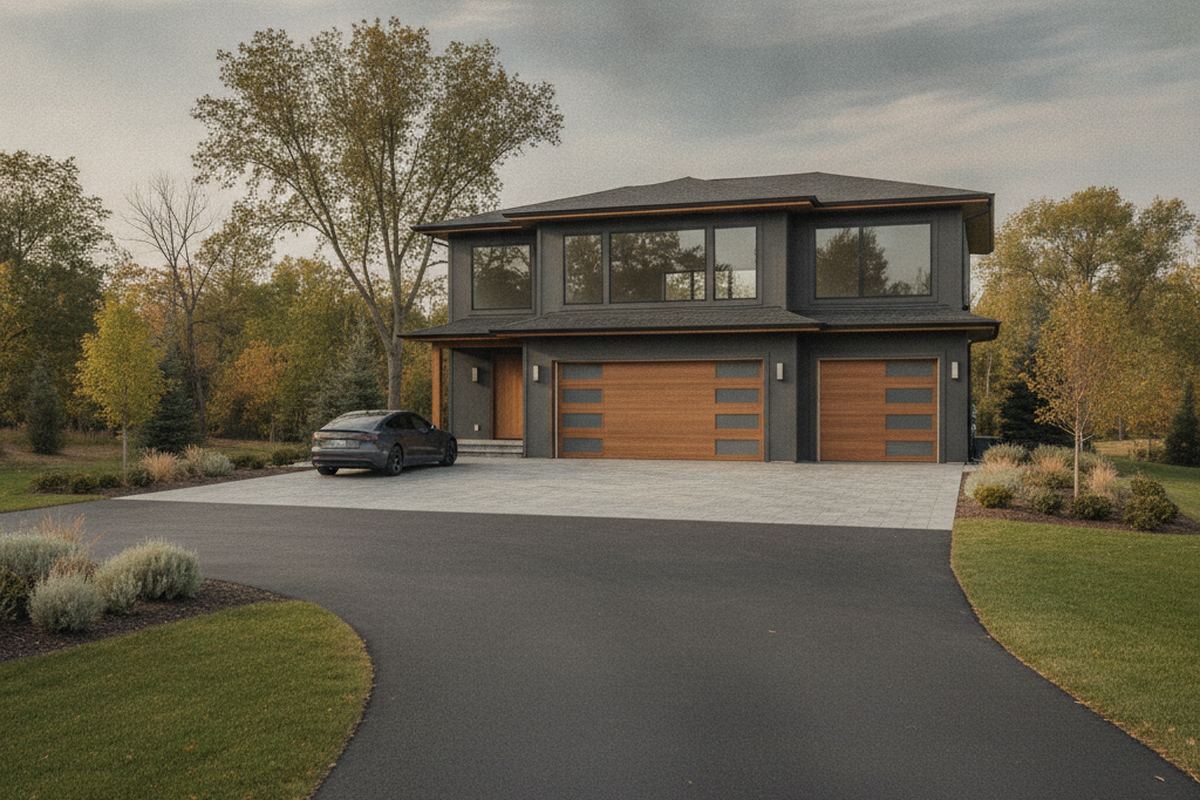
Expanding your driveway can significantly enhance curb appeal, increase parking space, and improve property functionality. Whether you're adding a dedicated parking pad for an extra vehicle, creating a turnaround, or simply widening the existing path, understanding the associated costs is crucial for effective budgeting. This guide breaks down the expenses involved in driveway widening projects, considering various materials and labor factors to help you plan your investment wisely. Knowing what to expect financially allows you to make informed decisions about your home improvement.
Understanding Driveway Widening Costs
The total cost to widen a driveway or add a parking pad typically ranges from $3 to $15 per square foot, with an average project falling between $1,500 and $7,000. This wide range accounts for material choices, labor rates, site preparation, and the complexity of the job. For instance, a basic asphalt extension might be on the lower end, while a decorative paver pad could push towards the higher end.
Key factors influencing the price include the chosen material, the size of the area being widened, and whether new excavation or old material removal is required. Local labor rates, permit requirements, and the need for drainage solutions also play a significant role. Always obtain multiple quotes from reputable contractors to ensure you're getting a competitive price for your specific project.
Asphalt Widening: Budget-Friendly Expansion
Asphalt is a popular choice for driveway widening due to its relatively low cost and quick installation. Expect to pay between $3 and $7 per square foot for asphalt. A 100-square-foot asphalt parking pad, for example, could cost between $300 and $700. This material offers good durability and a smooth finish, making it a practical option for many homeowners.
While asphalt is more economical upfront, it requires more frequent maintenance, such as sealing every 2-5 years, to extend its lifespan and prevent cracking. Over time, these maintenance costs should be factored into the overall expense. Its flexibility makes it suitable for areas with freeze-thaw cycles, as it is less prone to cracking than rigid materials.
- Lower initial cost: $3-$7 per square foot
- Quick installation
- Requires regular sealing
Concrete Widening: Durable and Versatile
Concrete offers greater durability and a longer lifespan than asphalt, making it a worthwhile investment for many. The cost for concrete driveway widening typically ranges from $5 to $12 per square foot. For a 100-square-foot concrete extension, you might expect to pay between $500 and $1,200. This material can also be stamped or stained for a more decorative finish, adding to its versatility.
While more expensive initially, concrete requires less frequent maintenance than asphalt, primarily needing occasional cleaning and crack repair. Its strength and resistance to heavy loads make it ideal for high-traffic areas or parking heavier vehicles. The curing process for concrete is longer than asphalt, meaning the area may be unusable for a few days after installation.
- Higher initial cost: $5-$12 per square foot
- Longer lifespan, less maintenance
- Can be stamped or stained
Estimate driveway cost by material, size, and demo needs — before the contractor visit.
Open the Driveway Cost EstimatorPaver Widening: Aesthetic Appeal and Permeability
Pavers are an excellent choice for homeowners prioritizing aesthetic appeal and potentially better drainage. The cost for paver driveway widening can range significantly, from $10 to $25 per square foot, depending on the type of paver, complexity of the pattern, and installation. A 100-square-foot paver pad could cost between $1,000 and $2,500, offering a wide array of design possibilities.
Permeable pavers, which allow water to seep through, can be a great option for managing stormwater runoff and may even qualify for local rebates in some areas. While pavers have a higher upfront cost and more labor-intensive installation, individual pavers can be easily repaired or replaced if damaged, which can be a long-term advantage. They also provide a highly customizable and attractive finish.
- Highest initial cost: $10-$25 per square foot
- Excellent aesthetic and design flexibility
- Good drainage options, individual paver repair
Gravel or Crushed Stone: Economical and Simple
For the most budget-conscious homeowners, gravel or crushed stone offers a very economical solution for driveway widening. The cost for these materials typically ranges from $1 to $3 per square foot. A 100-square-foot gravel parking extension might cost as little as $100 to $300, making it an accessible option for many.
Gravel and crushed stone are easy to install and provide good drainage. However, they require more frequent maintenance, such as replenishment and grading, to prevent ruts and maintain a level surface. While less formal in appearance, they can be a practical choice for rural properties or areas where a rustic look is desired.
- Lowest initial cost: $1-$3 per square foot
- Easy installation, good drainage
- Requires regular replenishment and grading
Additional Costs and Considerations
Beyond the material and basic labor, several other factors can influence the final cost of a driveway widening project. Site preparation, including excavation, grading, and removal of existing materials, can add $500 to $2,000 or more, depending on the extent of the work. Drainage solutions, such as culverts or French drains, might be necessary to prevent water accumulation, potentially adding several hundred dollars to the project.
Permits are often required for driveway expansions, with fees typically ranging from $50 to $300, depending on your municipality. If your project impacts utility lines or requires extensive landscaping adjustments, these will also contribute to the overall expense. Always discuss all potential additional costs with your contractor upfront to avoid surprises.
The bottom line
Expanding your driveway is a significant home improvement that can add value and convenience to your property. By carefully considering material options, understanding the potential costs, and accounting for additional factors like site preparation and permits, you can effectively plan and budget for your project. Obtaining detailed quotes from several qualified contractors will ensure a smooth process and a successful outcome.
Get more guidance like this in your inbox
Weekly emergency-fund tactics, milestone checklists, and the next article — delivered free.
Run your own number
Get a personalized emergency fund target based on your income, expenses, and job stability.
Open the calculator