Drought-Tolerant Grass Seed: 5 Picks That Actually Work
The 5 drought-tolerant grass seed varieties that survive summer without daily watering.
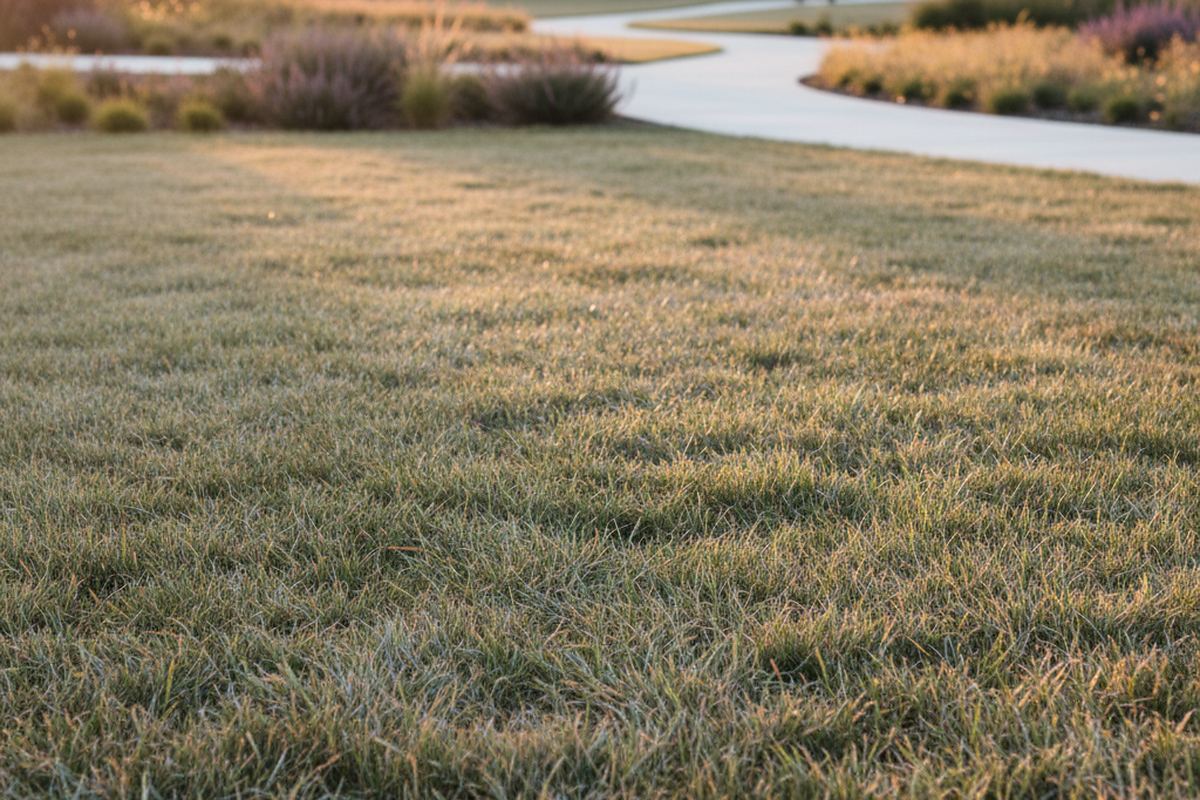
Selecting the right grass seed is crucial for a resilient lawn, especially in areas prone to dry spells. Drought-tolerant varieties can significantly reduce your water consumption and maintenance efforts, making them an excellent choice for sustainability and cost savings. This guide explores five top grass seed options that are proven to withstand periods of low rainfall and high temperatures. Understanding their characteristics will help you choose the best fit for your specific climate and lawn conditions, ensuring a healthy, green yard even when water is scarce.
Understanding Drought Tolerance in Grasses
Drought tolerance in grass varieties refers to their ability to survive and maintain an acceptable appearance during periods of water scarcity. This trait is often linked to deep root systems, which allow the grass to access water reserves deeper in the soil. Other mechanisms include reduced transpiration rates and the ability to go dormant during stress, only to green up again when moisture returns.
When evaluating drought-tolerant grass, consider your local climate zone, average rainfall, and soil type. Some grasses perform better in full sun, while others prefer partial shade. Choosing a variety that naturally thrives in your region will minimize the need for supplemental irrigation and reduce the likelihood of disease or pest issues, leading to a healthier and more sustainable lawn.
Tall Fescue: A Deep-Rooted Performer
Tall Fescue is a popular choice for its excellent drought tolerance, primarily due to its extensive root system that can reach depths of up to three feet. This allows it to tap into deeper soil moisture reserves, enabling it to stay green longer than many other cool-season grasses during dry periods. It also exhibits good heat tolerance, making it suitable for a wide range of climates.
While Tall Fescue prefers full sun, it can tolerate some shade, making it versatile for many lawn environments. It establishes relatively quickly and provides a coarse, dark green texture. For optimal drought resistance, ensure proper soil preparation and consider seeding at a rate of approximately 6-8 pounds per 1,000 square feet for new lawns, or 3-4 pounds for overseeding, to promote dense growth and strong root development.
- Deep root system for moisture access
- Good heat tolerance
- Tolerates some shade
- Coarse, dark green texture
Bermudagrass: Warm-Season Champion
Bermudagrass is a warm-season grass renowned for its exceptional drought and heat tolerance. It thrives in hot, sunny conditions and can withstand prolonged dry spells by going dormant, turning brown, and then quickly recovering when water becomes available. Its aggressive growth habit allows it to spread rapidly, forming a dense, durable turf.
Ideal for Southern and transition zones, Bermudagrass requires full sun exposure and is not well-suited for shaded areas. It also has a high nitrogen requirement for optimal growth. When seeding, aim for a rate of 1-2 pounds per 1,000 square feet. Its ability to withstand heavy traffic makes it a favorite for active lawns, but its aggressive nature means it can also invade garden beds if not properly managed.
- Exceptional drought and heat tolerance
- Thrives in full sun
- Recovers quickly from dormancy
- Durable and traffic-resistant
Get the exact pounds of seed you need for your lawn size, grass type, and overseeding vs new lawn.
Open the Lawn Seed CalculatorZoysiagrass: Low-Maintenance Luxury
Zoysiagrass is another warm-season variety celebrated for its outstanding drought tolerance and low maintenance requirements once established. It forms a dense, carpet-like lawn that can significantly reduce weed growth. Its deep root system helps it conserve water, and it can remain green for extended periods without irrigation.
Although it establishes more slowly than Bermudagrass, Zoysiagrass eventually creates a very tough and resilient turf. It prefers full sun but can tolerate light shade. Seeding rates are typically lower, around 0.5-1 pound per 1,000 square feet, due to its spreading nature. Its slower growth also means less frequent mowing, adding to its appeal for homeowners seeking a beautiful, low-effort lawn.
- Outstanding drought tolerance
- Low maintenance once established
- Dense, weed-resistant turf
- Tolerates light shade
Buffalograss: Native and Sustainable
Buffalograss is a native North American prairie grass that is exceptionally drought-tolerant and well-suited for arid and semi-arid regions. It requires very little water, often thriving on natural rainfall alone, even in dry climates. This fine-bladed, grayish-green grass is an excellent choice for homeowners seeking a truly sustainable and eco-friendly lawn.
It prefers full sun and well-drained soil, and it performs best in areas with hot summers. Buffalograss grows slowly and remains relatively short, reducing the need for frequent mowing. Seeding rates range from 2-4 pounds per 1,000 square feet. While it may not provide the lush, deep green appearance of some other varieties, its minimal water and maintenance needs make it a top contender for water-wise landscaping.
- Exceptional drought tolerance, thrives on natural rainfall
- Native North American grass
- Very low mowing requirements
- Fine-bladed, grayish-green appearance
Fine Fescues: Shade and Drought Adaptability
Fine Fescues, a group including Creeping Red Fescue, Chewings Fescue, and Hard Fescue, offer a unique combination of drought tolerance and shade adaptability. While not as heat-tolerant as Tall Fescue, these varieties possess fine blades and efficient water use, making them suitable for cooler climates or shaded areas that still experience dry conditions. Their ability to go dormant and recover is key to their drought resilience.
They are often used in mixes with other cool-season grasses to enhance overall lawn resilience. Fine Fescues prefer well-drained, infertile soils and require less nitrogen than many other turfgrasses. When used as a primary lawn grass, a seeding rate of 4-6 pounds per 1,000 square feet is typical. Their low maintenance needs and ability to thrive in less-than-ideal conditions make them a valuable component for a diverse and robust lawn.
- Good drought tolerance in cooler climates
- Excellent shade adaptability
- Low maintenance requirements
- Fine-bladed texture
The bottom line
Choosing the right drought-tolerant grass seed can transform your lawn into a more sustainable and resilient landscape. Consider your local climate, sun exposure, and desired lawn appearance when making your selection. By investing in varieties like Tall Fescue, Bermudagrass, Zoysiagrass, Buffalograss, or Fine Fescues, you can enjoy a greener, healthier lawn with significantly less water and effort. This thoughtful approach to lawn care benefits both your home and the environment.
Get more guidance like this in your inbox
Weekly emergency-fund tactics, milestone checklists, and the next article — delivered free.
Run your own number
Get a personalized emergency fund target based on your income, expenses, and job stability.
Open the calculator