Dry Creek Beds: Solving Drainage on a Budget
The cost to install a dry creek bed and where it beats a French drain.
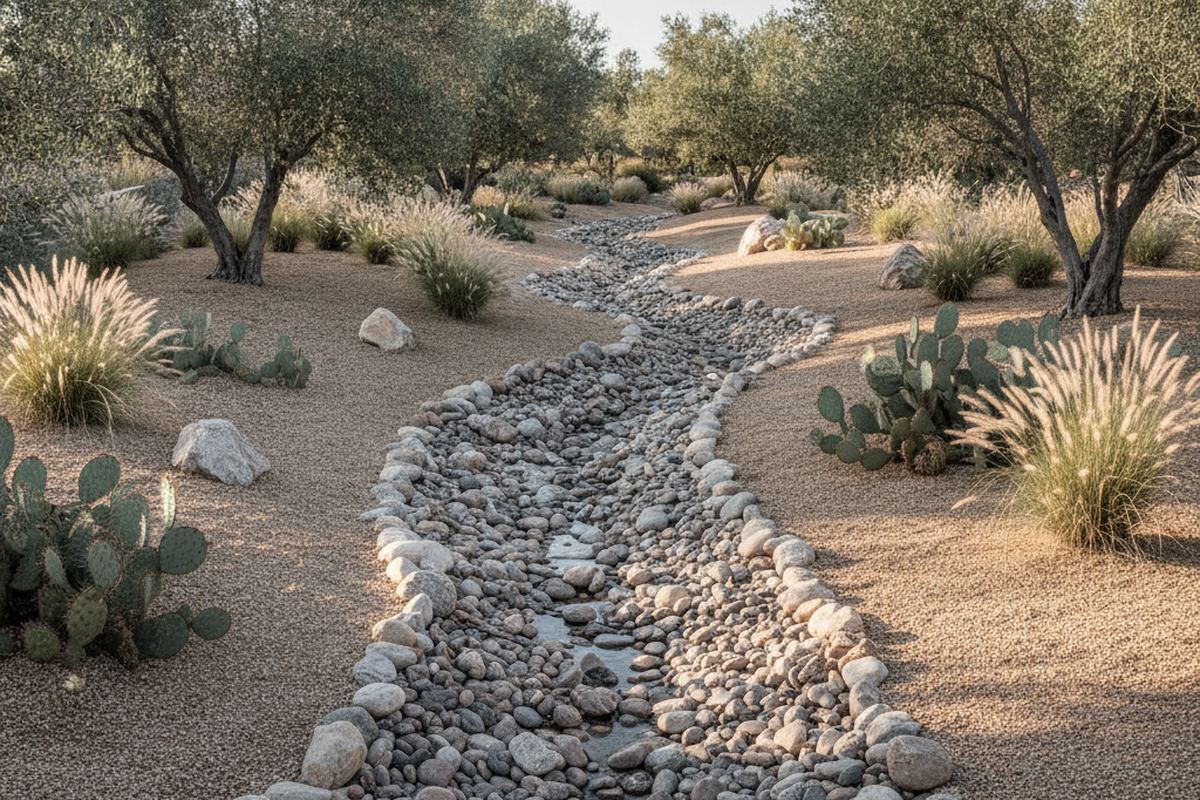
Dry creek beds offer an attractive and effective solution for managing water runoff in your yard. Beyond their aesthetic appeal, these features are designed to direct rainwater away from your home's foundation, prevent erosion, and recharge groundwater. For homeowners facing drainage issues, understanding the costs involved and how a dry creek bed compares to other solutions like French drains is crucial for effective project planning. This guide will help you navigate the financial aspects and design considerations for integrating a dry creek bed into your landscape.
Understanding Dry Creek Beds and Their Function
A dry creek bed, sometimes called a dry stream bed or a swale, is a trench filled with various sizes of rocks and stones, designed to mimic a natural creek. Its primary function is to gather and channel rainwater runoff, especially during heavy downpours, preventing it from pooling in unwanted areas or causing damage to your property. When not actively channeling water, it serves as an appealing landscape feature, adding texture and visual interest to your yard.
These structures are particularly effective on sloped properties or in areas prone to excessive surface water. By directing water to a designated, safe discharge point, such as a rain garden, a storm drain, or a less sensitive part of your yard, a dry creek bed can significantly reduce the risk of basement flooding, soil erosion, and damage to plant beds. Their design flexibility allows them to be adapted to almost any landscape style, from rustic to contemporary.
Cost Factors for Dry Creek Bed Installation
The total cost to install a dry creek bed can vary widely, typically ranging from $5 to $20 per linear foot for professional installation, with larger, more complex projects potentially exceeding this range. For a typical 50-foot dry creek bed, expect to pay between $250 and $1,000 for materials alone if you undertake a DIY project, or $250 to $2,000 for professional installation. Key factors influencing this cost include the length and width of the bed, the depth of the trench, the type and quantity of stones used, and whether professional labor is hired.
Material costs are a significant component. River rocks, gravel, and larger accent boulders are commonly used. Prices for these materials vary by region and supplier, but expect to pay between $50 and $150 per ton for bulk gravel and river rock, with decorative boulders costing more, often $100 to $500 each. Other materials like landscape fabric to prevent weed growth and erosion, and potentially a small amount of sand for leveling, will also add to the overall material budget. Labor, if professional help is sought, can account for 50% to 70% of the total project cost.
- Length and width of the dry creek bed
- Depth of the trench
- Type and quantity of rocks and gravel
- Need for professional design or installation
- Accessibility of the work area
DIY vs. Professional Installation: Cost and Effort
Homeowners with basic landscaping skills and access to tools can significantly reduce costs by opting for a DIY dry creek bed installation. Digging the trench, laying landscape fabric, and placing stones can be a labor-intensive but manageable task for a motivated individual or family. A DIY project for a 50-foot dry creek bed might cost $250 to $1,000 for materials. This approach allows for greater control over material selection and design, but requires a substantial time commitment and physical effort.
Hiring professionals, while more expensive, ensures proper design, efficient installation, and often access to better rates on bulk materials. A professional landscaper can assess your property's specific drainage needs, design a visually appealing and functional dry creek bed, and execute the project with specialized equipment. For a 50-foot dry creek bed, professional installation could range from $1,000 to $2,000, depending on complexity and location. This option is ideal for those with limited time or who prefer expert handling of the project.
Build a phased landscaping budget — hardscape, softscape, irrigation — that fits your yard.
Open the Landscaping Budget PlannerComparing Dry Creek Beds to French Drains
Both dry creek beds and French drains are effective drainage solutions, but they differ significantly in appearance, cost, and primary function. A French drain is a subsurface trench filled with gravel and a perforated pipe, designed to collect and divert groundwater away from foundations. It's largely invisible once installed, making it a functional but not an aesthetic landscape feature. Installation costs for a French drain typically range from $15 to $30 per linear foot, making it generally more expensive than a dry creek bed.
Dry creek beds, in contrast, are an exposed, aesthetic feature that manages surface water runoff. They become a visible and attractive part of your landscape, offering both functionality and design appeal. While French drains excel at mitigating subsurface water issues, dry creek beds are often more suitable and cost-effective for managing visible surface water flow and preventing erosion in specific areas of the yard. The choice depends on the specific drainage problem you're trying to solve and your aesthetic preferences.
Design Considerations for Optimal Performance
Effective dry creek bed design involves more than just digging a ditch and filling it with rocks. Proper planning ensures the bed effectively channels water and integrates seamlessly into your landscape. Start by identifying the source of your runoff and the most appropriate discharge point. The path of the creek bed should follow the natural contours of your yard as much as possible to ensure efficient water flow. Consider the width and depth needed to handle peak water volumes; a typical residential dry creek bed might be 18 to 36 inches wide and 6 to 12 inches deep.
A crucial step is lining the trench with permeable landscape fabric before adding rocks. This prevents weeds from growing through the stones and helps stabilize the soil, reducing erosion within the bed itself. Varying the size of rocks, from small gravel to larger accent boulders, creates a more natural and visually appealing effect. Incorporating native, water-tolerant plants along the edges can further enhance the aesthetic and ecological benefits, helping to filter water and stabilize soil.
Long-Term Maintenance and Value
Dry creek beds are relatively low-maintenance, especially compared to other landscaping features. Regular maintenance typically involves removing accumulated debris like leaves, branches, and sediment to ensure unimpeded water flow. Occasionally, you may need to replenish or rearrange some of the smaller stones if they shift due to heavy water flow. Checking the landscape fabric for tears and repairing them can prevent weed intrusion. With proper installation, a dry creek bed can last for many years with minimal intervention.
Beyond their practical drainage benefits, dry creek beds add significant aesthetic value to a property. They can transform a problematic, water-prone area into a beautiful, functional landscape feature. This enhancement can increase curb appeal and potentially contribute to the overall resale value of your home. The investment in a well-designed and properly installed dry creek bed provides both immediate solutions to drainage issues and long-term benefits in terms of property enjoyment and value.
The bottom line
Installing a dry creek bed is a practical and visually appealing way to manage water runoff and enhance your home's landscape. By carefully considering design, material choices, and whether to DIY or hire professionals, you can create an effective drainage solution that also adds beauty to your property. A well-executed dry creek bed is an investment that pays dividends in both functionality and aesthetic appeal for years to come.
Get more guidance like this in your inbox
Weekly emergency-fund tactics, milestone checklists, and the next article — delivered free.
Run your own number
Get a personalized emergency fund target based on your income, expenses, and job stability.
Open the calculator