Is Dyed Mulch Safe? What's Actually in Black, Brown & Red Mulch
Dyed mulch fears versus facts — what the dyes are, what the source wood may contain, and how to buy safely.
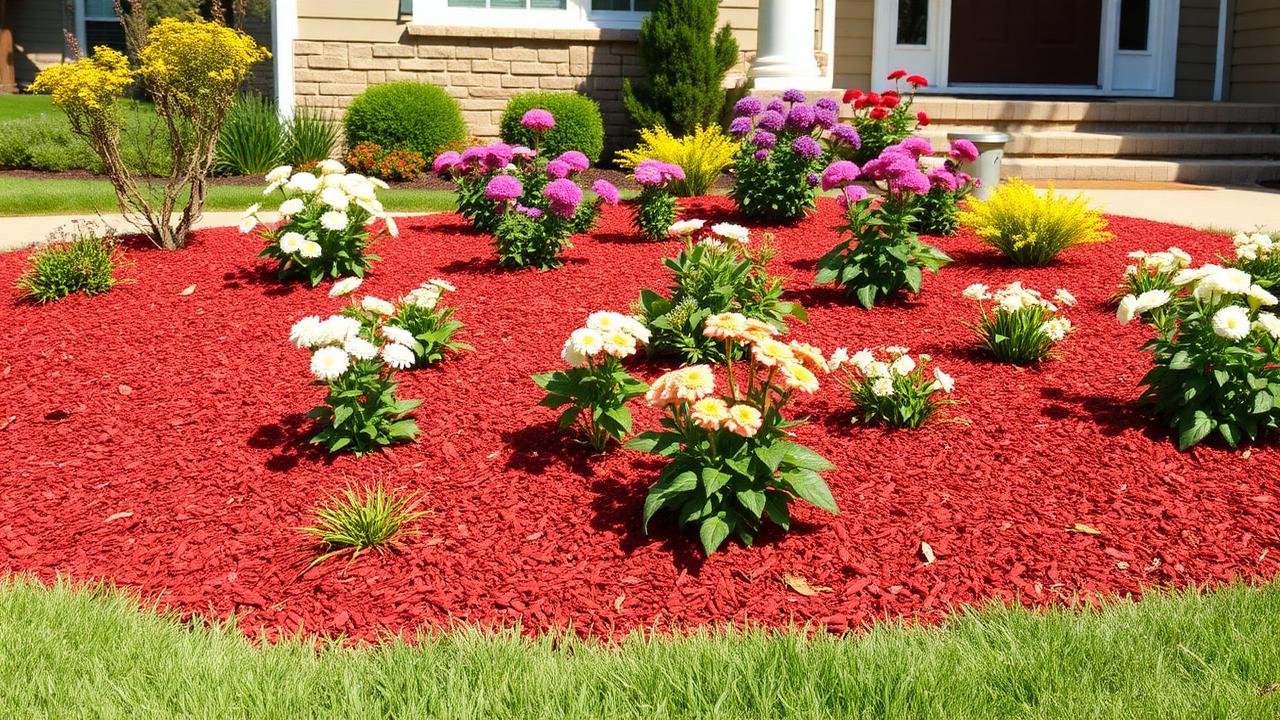
Dyed mulch is the most-Googled mulch safety question online. The short answer: the dye itself is almost always harmless. The risk lives in the source wood. Here's the full breakdown.
What the dyes actually are
- Black mulch: carbon-based dye, similar to printer toner. Inert.
- Brown mulch: iron-oxide pigment — literally rust. Inert.
- Red mulch: iron-oxide pigment. Inert.
None of these dyes are toxic to people, pets, or plants. The Mulch & Soil Council certifies dyed products that meet safety standards.
The real concern: source wood
Cheaper dyed mulches sometimes use recycled wood from construction debris, pallets, or demolition lumber. That wood may be CCA-treated (chromated copper arsenate) or contain glues, paints, and contaminants. The dye covers up the color difference, so visual inspection won't tell you.
How to buy safely
- Look for the Mulch & Soil Council (MSC) certification logo
- Buy from a known landscape supplier, not the cheapest bulk pile
- Ask the source: virgin wood waste from sawmills is safe; recycled construction debris is the risk
- Avoid suspiciously cheap dyed mulch — $1.50 bags are a red flag
Vegetable gardens
Don't use dyed mulch in vegetable beds. Even certified product is overkill — straw, leaves, or compost are cheaper and feed the soil. Save dyed mulch for ornamental beds where appearance matters.
Dye on hands and clothes
Fresh dyed mulch can transfer color for the first few days, especially when wet. Wear gloves and old clothes. After a week or two of weathering, the dye binds and stops transferring.
Color longevity
MSC-certified dyes hold color 9–12 months. Discount dyes fade in 3–4 months. The price premium for certified product is usually $5–$10/yard — worth it for visible front-yard beds.
Plan your dyed-mulch refresh schedule with the calculator.
Open the Mulch CalculatorThe bottom line
Dyed mulch from a reputable supplier is safe for ornamental beds, pets, and kids. Skip it in vegetable gardens. Always ask about the source wood — the dye is the easy part; the substrate is what matters.
Get more guidance like this in your inbox
Weekly emergency-fund tactics, milestone checklists, and the next article — delivered free.
Order the right amount of mulch
Get exact cubic yards, bag counts, and a bulk-vs-bagged price comparison for any garden bed — free with our Mulch Calculator.
Open the Mulch Calculator