Energy-Efficient Renovations: 2026 Rebates and ROI
The 2026 IRA rebates and utility savings on efficiency upgrades.
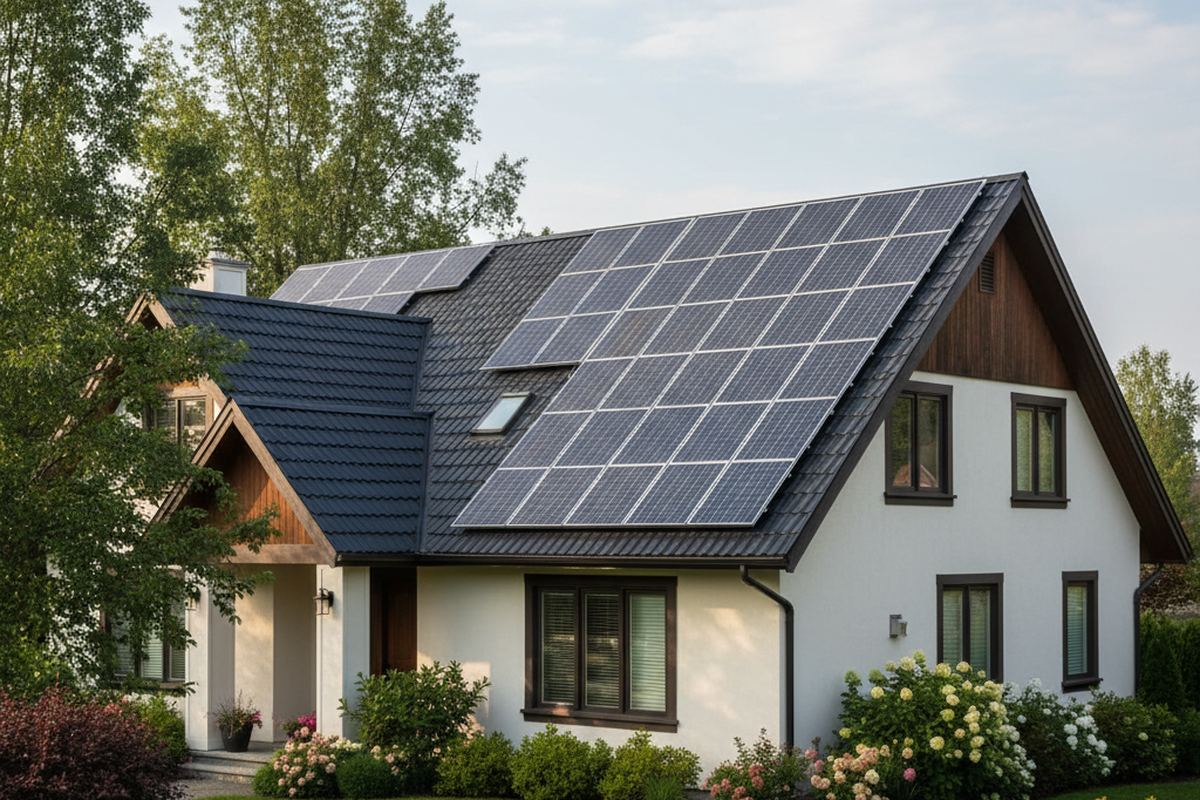
As homeowners consider upgrades, energy-efficient renovations offer compelling benefits beyond aesthetics. These projects not only enhance comfort and reduce utility bills but also contribute to a home's long-term value. With new incentives emerging in 2026, understanding the financial landscape of these improvements is more crucial than ever. This guide explores the most impactful energy-efficient upgrades, their potential returns, and how to leverage available rebates to maximize your investment.
Understanding the Inflation Reduction Act (IRA) Rebates for 2026
The Inflation Reduction Act (IRA) provides significant tax credits and rebates for homeowners investing in energy-efficient improvements. These incentives are designed to make upgrades more accessible and accelerate the adoption of cleaner energy technologies. For 2026, many of these programs are fully active, offering substantial savings on eligible projects. It's important to differentiate between tax credits, which reduce your tax liability, and rebates, which are direct payments or discounts.
Key IRA programs include the Energy Efficient Home Improvement Credit (25C) and the Residential Clean Energy Credit (25D). The 25C credit can cover up to 30% of certain renovation costs, capped at specific amounts per year and per improvement type, while the 25D credit offers 30% for renewable energy installations like solar panels, with no annual limit. Additionally, state and local programs, often funded by the IRA, provide further incentives, making a layered approach to funding highly beneficial.
High-Impact HVAC Upgrades: Heat Pumps and Furnaces
Upgrading your heating, ventilation, and air conditioning (HVAC) system is one of the most effective ways to boost energy efficiency. Heat pumps, in particular, are gaining popularity due to their ability to provide both heating and cooling more efficiently than traditional systems. A high-efficiency heat pump can reduce energy consumption by 30-50% compared to older models. The IRA offers a tax credit of up to $2,000 for qualifying heat pump installations, covering 30% of the cost.
For homes where a full heat pump conversion isn't feasible, high-efficiency natural gas, propane, or oil furnaces can also offer substantial savings. These units, with AFUE (Annualized Fuel Utilization Efficiency) ratings of 90% or higher, can qualify for a 30% tax credit up to $600. When considering an HVAC upgrade, assess your home's insulation and ductwork too, as optimizing these can amplify the efficiency gains of a new system.
- Air-source heat pumps: 30% tax credit, up to $2,000
- Geothermal heat pumps: 30% tax credit, no limit
- High-efficiency furnaces/boilers: 30% tax credit, up to $600
Windows, Doors, and Insulation: Sealing the Envelope
Improving your home's thermal envelope is foundational to energy efficiency. Leaky windows and doors, along with inadequate insulation, can account for a significant portion of energy loss. Replacing old, single-pane windows with ENERGY STAR certified models can reduce heat transfer by 20-30%. The IRA provides a tax credit of 30% of the cost for qualifying exterior windows and skylights, up to $600 annually, and for exterior doors, up to $500 per door (maximum $250 per door), with an annual limit of $600.
Adding insulation to attics, walls, and crawl spaces significantly reduces the amount of energy required to heat or cool your home. The cost of insulation materials and installation labor can qualify for a 30% tax credit, up to $1,200 annually. Prioritizing these envelope improvements often yields a strong return on investment, not just through energy savings but also by enhancing indoor comfort and reducing strain on your HVAC system.
- Exterior windows/skylights: 30% tax credit, up to $600
- Exterior doors: 30% tax credit, up to $500 per door (max $250 per door, $600 annual limit)
- Insulation materials and installation: 30% tax credit, up to $1,200
See the real resale ROI on your renovation — before you swing a hammer.
Open the Renovation ROI CalculatorWater Heaters: Tankless and Heat Pump Options
Water heating is often the second-largest energy expense in a household, after heating and cooling. Upgrading to a more efficient water heater can lead to substantial long-term savings. Heat pump water heaters (HPWHs) are particularly efficient, using electricity to move heat from the surrounding air to the water, rather than generating heat directly. They can be 2-3 times more efficient than conventional electric resistance water heaters.
Tankless water heaters, which heat water only when needed, also offer significant energy savings, especially for homes with intermittent hot water demands. Both types of high-efficiency water heaters can qualify for a 30% tax credit, up to $2,000. When selecting a new water heater, consider your household's hot water usage patterns and the available space for installation to choose the most suitable and efficient model.
- Heat pump water heaters: 30% tax credit, up to $2,000
- High-efficiency tankless water heaters: 30% tax credit, up to $600
Solar Panels and Renewable Energy Systems
Installing solar panels or other renewable energy systems offers the highest long-term energy savings and a substantial return on investment. The Residential Clean Energy Credit (25D) provides a 30% tax credit for the cost of new, qualified clean energy property for your home, including solar electric panels, solar water heaters, small wind turbines, and geothermal heat pumps. This credit has no annual dollar limit, allowing for significant savings on these larger investments.
Beyond the federal tax credit, many states and local utilities offer additional incentives, such as net metering programs, which allow you to sell excess electricity back to the grid. While the upfront cost of solar can be significant, the combination of tax credits, reduced or eliminated electricity bills, and increased home value makes it a highly attractive option for many homeowners looking to future-proof their energy consumption.
Maximizing Your ROI: Combining Efficiency and Incentives
To maximize the return on your energy-efficient renovations, a strategic approach is essential. Start with a home energy audit to identify the most impactful upgrades for your specific property. Prioritize improvements that address major energy losses, such as sealing air leaks and improving insulation, before investing in new HVAC systems or renewable energy. This foundational work ensures that newer, more efficient systems operate at their peak.
Carefully research all available federal, state, and local incentives. Many programs can be stacked, allowing you to combine tax credits with rebates for even greater savings. Keep detailed records of all expenses and ensure that products meet specified efficiency standards to qualify for incentives. By combining smart upgrades with available financial support, you can significantly reduce your energy costs, enhance your home's value, and contribute to a more sustainable future.
Estimating Resale Value and Long-Term Savings
Energy-efficient renovations not only reduce your monthly utility bills but also add tangible value to your home upon resale. Studies consistently show that homes with energy-efficient features, such as solar panels, new windows, or smart thermostats, command higher selling prices and often sell faster. Buyers are increasingly willing to pay a premium for homes that offer lower operating costs and a reduced environmental footprint. While the exact increase varies by market and specific upgrade, a range of 1-5% of the home's value is a reasonable expectation for a comprehensive set of efficiency improvements.
Beyond resale, the cumulative savings on utility bills over the lifespan of the improvements represent a significant financial return. For instance, an average household might save $300-$500 annually on energy costs after upgrading to a high-efficiency HVAC system and improving insulation. Over 10-15 years, these savings compound, often recouping the initial investment and then some. Consider these long-term financial benefits when evaluating the overall return on your renovation investment.
The bottom line
Investing in energy-efficient renovations offers a dual benefit: immediate savings on utility bills and enhanced long-term home value. By understanding the available federal tax credits and state rebates, homeowners can significantly offset the upfront costs of these upgrades. Prioritize improvements that address your home's specific needs, and ensure all installations meet the necessary criteria to qualify for financial incentives.
Get more guidance like this in your inbox
Weekly emergency-fund tactics, milestone checklists, and the next article — delivered free.
Run your own number
Get a personalized emergency fund target based on your income, expenses, and job stability.
Open the calculator