Engineered vs Solid Hardwood: Which Should You Buy?
Real differences in refinishability, moisture tolerance, and lifetime cost between engineered and solid wood.
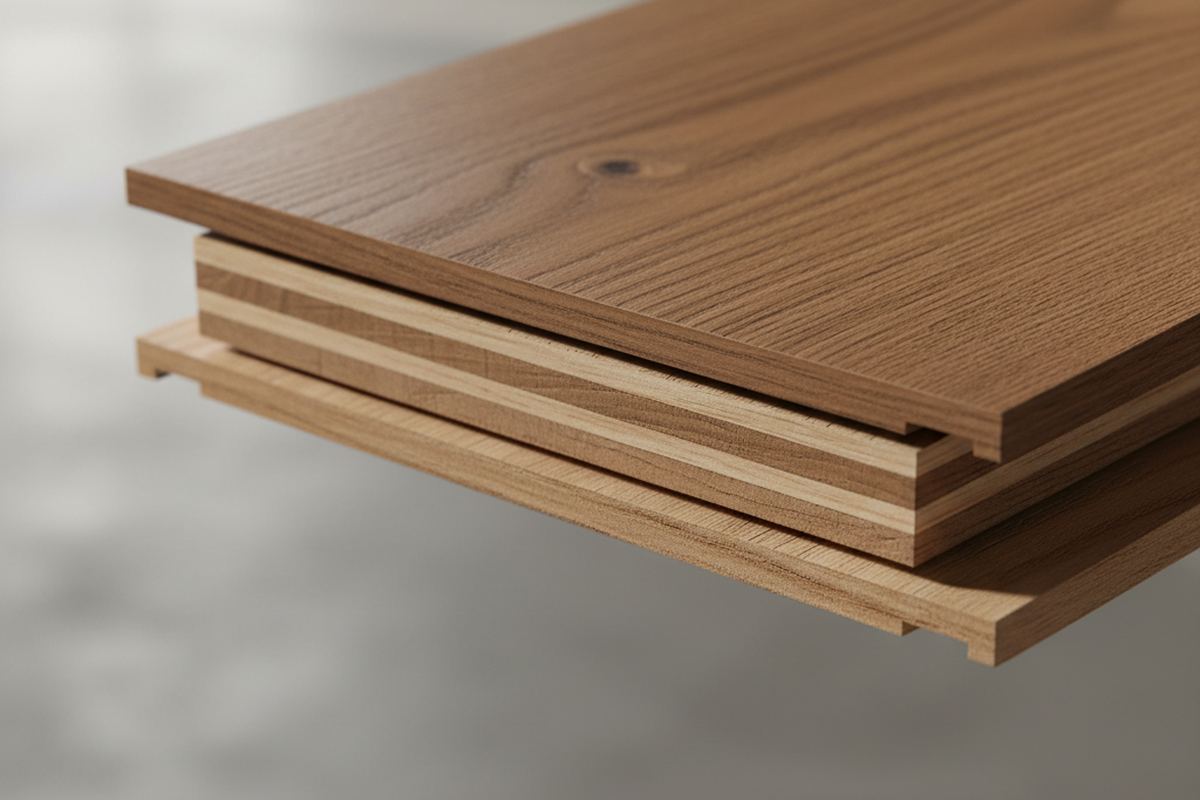
Choosing new flooring for your home involves many considerations, and hardwood remains a popular, timeless option. When comparing engineered and solid hardwood, homeowners often face a dilemma due to their similar appearance but distinct underlying structures and performance characteristics. Understanding these differences is crucial for making an informed decision that aligns with your home's environment, long-term goals, and budget. This guide will break down the key factors to help you determine which type of hardwood is best suited for your specific needs.
Understanding the Core Differences in Construction
Solid hardwood flooring is precisely what its name implies: a single piece of wood, typically 3/4 inch thick, milled from a timber species like oak, maple, or cherry. This uniform construction allows for a consistent look and feel, and its density contributes to its classic appeal. Each plank is a monolithic piece of wood, meaning its grain runs continuously through its entire thickness, offering a traditional aesthetic and substantial presence.
Engineered hardwood, in contrast, is a multi-layered product. It features a top veneer of real hardwood (the wear layer) bonded to several layers of high-density fiberboard (HDF) or plywood. These cross-ply layers are arranged in opposing directions, which provides enhanced stability and resistance to moisture fluctuations. The thickness of the wear layer is a critical factor, as it dictates the flooring's refinishing potential and overall longevity.
Refinishing Potential and Long-Term Value
One of the primary advantages of solid hardwood is its ability to be sanded and refinished multiple times over its lifespan. A standard 3/4-inch solid plank can typically withstand 5 to 7 refinishings, spaced many years apart. This capability means that solid hardwood, when properly maintained, can last for 75 to 100 years or more, effectively becoming a generational investment that retains its beauty and value.
Engineered hardwood's refinishing potential depends directly on the thickness of its top wear layer. A wear layer of 2mm to 3mm might allow for one or two light sandings, while a thicker 4mm to 6mm layer could accommodate 2 to 4 refinishings. If the wear layer is too thin, the flooring cannot be sanded without exposing the core material, significantly limiting its long-term renewability. This difference directly impacts the flooring's effective lifespan and long-term cost.
Moisture Tolerance and Installation Locations
Solid hardwood is more susceptible to changes in humidity and temperature. It can expand and contract significantly, leading to gaps, cupping, or crowning if not installed in a climate-controlled environment. For this reason, solid hardwood is generally recommended for above-grade installations in areas with stable humidity levels, such as living rooms, bedrooms, and dining rooms. It is not ideal for basements or bathrooms where moisture is prevalent.
Engineered hardwood's multi-ply construction makes it significantly more stable and resistant to moisture and temperature fluctuations. The cross-grain layering minimizes expansion and contraction, making it suitable for a wider range of environments, including basements, concrete slabs, and even some areas with higher humidity. This versatility makes engineered wood a practical choice for homes where solid hardwood might be problematic due to environmental conditions.
Estimate flooring cost by square footage and material — with waste factor and install labor baked in.
Open the Flooring Cost CalculatorInstallation Methods and DIY Suitability
Solid hardwood is traditionally installed by nailing or stapling planks directly to a wooden subfloor. This method requires specialized tools and a certain level of expertise, often making it a job best left to professional installers. While some experienced DIYers might attempt it, precision is key to avoiding issues like squeaks or unevenness over time. Proper acclimation of solid wood to the home's environment for several days is also critical.
Engineered hardwood offers more flexible installation options. It can be nailed or stapled down, glued down to concrete, or installed as a floating floor over various subfloors, including existing tile or vinyl. The floating installation, where planks lock together without being permanently attached to the subfloor, is often more DIY-friendly and can reduce labor costs. This versatility in installation methods broadens its appeal for different project types.
Cost Considerations: Upfront vs. Long-Term
The upfront cost of solid hardwood can range from $8 to $15 per square foot for materials, not including installation. While the initial investment might be higher, its longevity and multiple refinishing capabilities often make it a cost-effective choice over several decades. The resale value it adds to a home can also be a significant factor, often appealing to buyers looking for traditional quality and durability.
Engineered hardwood typically ranges from $4 to $12 per square foot for materials, making its initial purchase price generally lower than solid hardwood. However, it's important to factor in the wear layer thickness when evaluating long-term value. A thinner wear layer means a shorter lifespan and less opportunity for refinishing, potentially leading to earlier replacement costs. When comparing, ensure you are evaluating similar quality levels for a fair assessment.
Environmental Impact and Sustainability
Solid hardwood comes from a single piece of timber, and its sustainability depends on responsible forestry practices. Certifications like FSC (Forest Stewardship Council) help ensure that the wood comes from sustainably managed forests. Given its long lifespan, solid hardwood can be considered a highly sustainable product if sourced responsibly, as it minimizes the need for frequent replacements.
Engineered hardwood uses less of the prized hardwood species for its wear layer, often utilizing faster-growing, less expensive woods for its core. This can make it a more resource-efficient option. However, the adhesives used in its construction and the manufacturing processes can have their own environmental footprint. Look for products with low VOC (volatile organic compounds) emissions and certifications that address the entire product lifecycle for a more environmentally conscious choice.
Maintenance and Care Requirements
Both solid and engineered hardwood require similar basic care routines to maintain their appearance and longevity. Regular sweeping or vacuuming with a soft brush attachment is essential to remove dirt and grit that can scratch the finish. Promptly wiping up spills is crucial to prevent moisture damage, especially for solid hardwood.
For both types, avoid using steam cleaners, abrasive cleaners, or excessive water, as these can damage the wood and its finish. Manufacturers often recommend specific cleaning products designed for hardwood floors. Using area rugs in high-traffic areas and felt pads under furniture legs can also significantly extend the life and beauty of your hardwood flooring, regardless of its construction.
The bottom line
The choice between engineered and solid hardwood ultimately depends on your specific priorities, budget, and home environment. Solid hardwood offers unparalleled longevity and traditional charm, ideal for stable climates and long-term investments. Engineered hardwood provides greater stability, versatility in installation, and often a lower initial cost, making it suitable for a wider range of conditions. Carefully weigh the pros and cons of each to select the flooring that best meets your needs for years to come.
Get more guidance like this in your inbox
Weekly emergency-fund tactics, milestone checklists, and the next article — delivered free.
Run your own number
Get a personalized emergency fund target based on your income, expenses, and job stability.
Open the calculator