Fiberglass vs Concrete vs Vinyl Liner: Which Pool Wins
How the three inground pool materials compare on cost, upkeep, and lifespan.
Deciding on an inground pool for your home involves many considerations, with material choice being one of the most significant. The three primary options are fiberglass, concrete (gunite/shotcrete), and vinyl liner pools. Each type presents a distinct balance of upfront cost, long-term maintenance, and aesthetic possibilities. Understanding these differences is crucial for selecting a pool that aligns with your budget, lifestyle, and property value goals for years to come.
Fiberglass Pools: Quick Installation, Lower Maintenance
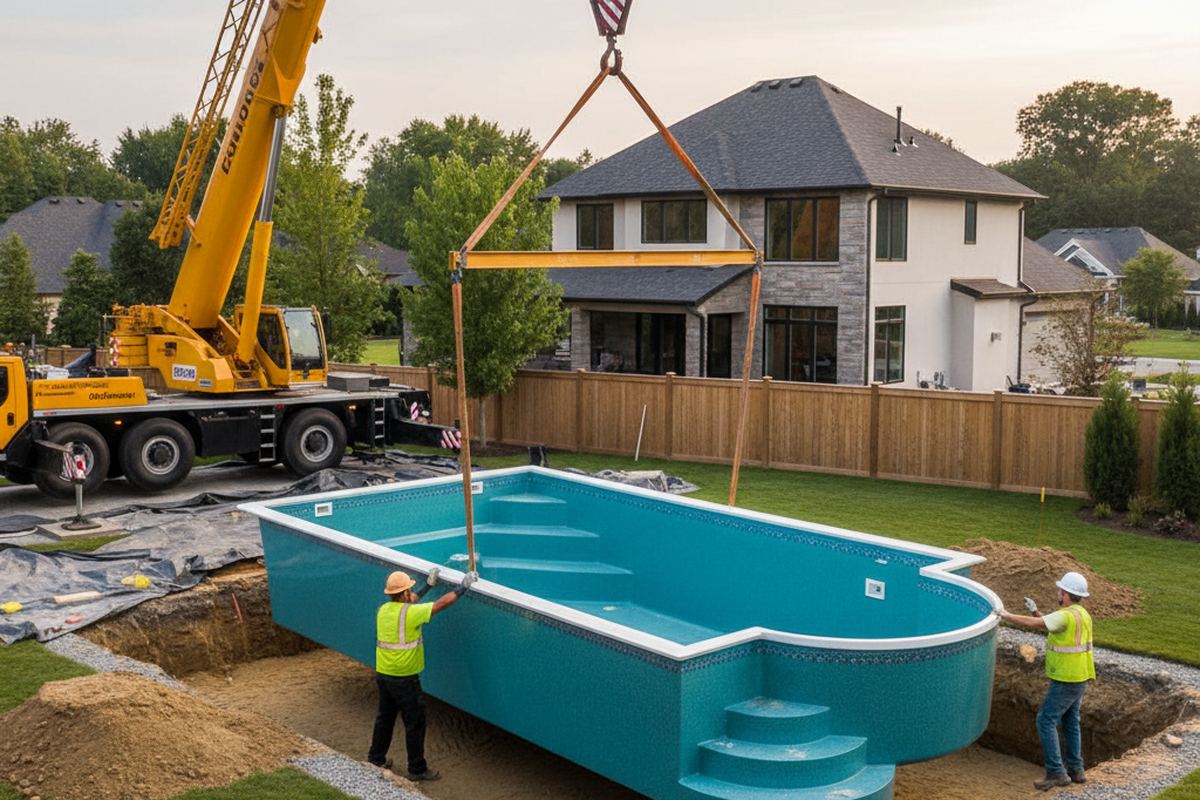
Fiberglass pools are pre-formed shells installed as a single unit. This manufacturing process allows for rapid installation, often completed in just a few weeks. The smooth, non-porous gel coat surface is resistant to algae growth, which translates to less scrubbing and fewer chemicals needed for water balance. This can lead to notable savings on maintenance supplies and labor over the pool's lifespan.
While the initial cost can be higher than vinyl liner pools, typically ranging from $50,000 to $85,000 for a standard installed size (excluding decking and landscaping), fiberglass offers durability. These pools are flexible, making them well-suited for areas with shifting soils. The gel coat finish can last 15-20 years before potentially needing resurfacing, a process that can cost between $10,000 and $20,000.
- Installation time: 2-4 weeks
- Estimated initial cost: $50,000 - $85,000
- Typical resurfacing interval: 15-20 years
Concrete Pools: Customization and Durability
Concrete pools, often referred to as gunite or shotcrete, are built on-site, offering unparalleled customization in terms of shape, size, and depth. This flexibility allows homeowners to create unique designs that perfectly fit their backyard landscape and personal preferences. Construction involves spraying concrete onto a rebar framework, followed by a finishing coat like plaster, pebble, or tile.
The initial investment for a concrete pool is generally the highest, with installed costs often ranging from $70,000 to $120,000 or more, depending on complexity and finish. While incredibly durable, concrete's porous surface requires more diligent chemical management and brushing to prevent algae. The plaster finish typically needs replastering every 10-15 years, a significant expense ranging from $8,000 to $18,000.
- Installation time: 8-12 weeks
- Estimated initial cost: $70,000 - $120,000+
- Typical replastering interval: 10-15 years
Vinyl Liner Pools: Affordability and Design Flexibility
Vinyl liner pools feature a custom-fabricated liner that fits into a prepared excavation, supported by a frame of steel, polymer, or aluminum walls. These pools are typically the most affordable option upfront, with installed costs ranging from $45,000 to $75,000. They offer a smooth surface, which is gentler on skin and less prone to algae than concrete.
While vinyl liners are durable, they are susceptible to punctures and tears, which can be costly to repair or require full liner replacement. A typical liner lasts 8-12 years, and replacement costs can range from $4,000 to $7,000, depending on size and material. Despite this recurring cost, the lower initial outlay makes them an attractive option for many homeowners.
- Installation time: 4-8 weeks
- Estimated initial cost: $45,000 - $75,000
- Typical liner replacement interval: 8-12 years
Estimate real inground and above-ground pool cost — build plus annual upkeep — in under a minute.
Open the Pool Cost EstimatorComparing Lifespan and Long-Term Costs
Beyond the initial purchase, the long-term expenses associated with pool ownership vary significantly by material. Concrete pools, while having high upfront costs, offer the longest structural lifespan, potentially lasting 50 years or more with proper maintenance and periodic resurfacing. However, their higher chemical demand and resurfacing frequency contribute to higher ongoing operational costs.
Fiberglass pools balance a moderate initial cost with lower lifetime maintenance. Their durable, non-porous surface reduces chemical use and cleaning effort. While the gel coat may need refreshing after 15-20 years, the structural integrity of a fiberglass pool can also extend for decades. Vinyl liner pools have the lowest initial cost but often incur higher long-term expenses due to regular liner replacements and potential for damage.
Maintenance and Chemical Requirements
Maintenance is a key differentiator. Fiberglass pools require the least amount of daily and weekly care due to their smooth, inert surface, which inhibits algae growth. This means less brushing, less vacuuming, and often lower chemical consumption to maintain water balance. This translates to time savings and reduced expenses for pool owners.
Concrete pools, with their porous surfaces, demand the most intensive cleaning and chemical regimen. They typically require more frequent brushing to prevent algae and higher levels of sanitizers to keep the water clear. Vinyl liner pools fall in the middle, requiring regular cleaning, but their smooth surface is easier to maintain than concrete. Chemical usage for vinyl pools is generally moderate, less than concrete but slightly more than fiberglass.
Resale Value Considerations
A well-maintained pool can enhance a property's resale value, but the impact can vary by pool type and local market conditions. Concrete pools, with their custom designs and perceived permanence, are often seen as a premium feature in luxury markets. The quality of the construction and surrounding landscaping plays a significant role in their appeal.
Fiberglass pools are valued for their low maintenance and durability, appealing to buyers seeking convenience. Vinyl liner pools, while offering affordability, may be viewed with a slight discount due to the predictable future cost of liner replacement. Ultimately, irrespective of material, a clean, functional, and aesthetically pleasing pool with appropriate safety features will add the most value.
The bottom line
Choosing the right inground pool material is a significant financial and lifestyle decision. Weighing the initial installation costs against long-term maintenance, lifespan, and aesthetic preferences will guide you to the best option. Consider your budget, how much time you're willing to dedicate to upkeep, and the overall look you envision for your backyard oasis.
Get more guidance like this in your inbox
Weekly emergency-fund tactics, milestone checklists, and the next article — delivered free.
Run your own number
Get a personalized emergency fund target based on your income, expenses, and job stability.
Open the calculator