Floor Transitions and Thresholds: The Detail That Makes or Breaks a Job
The 6 transition strips and reducers you might need — and how to choose the right one per material pair.
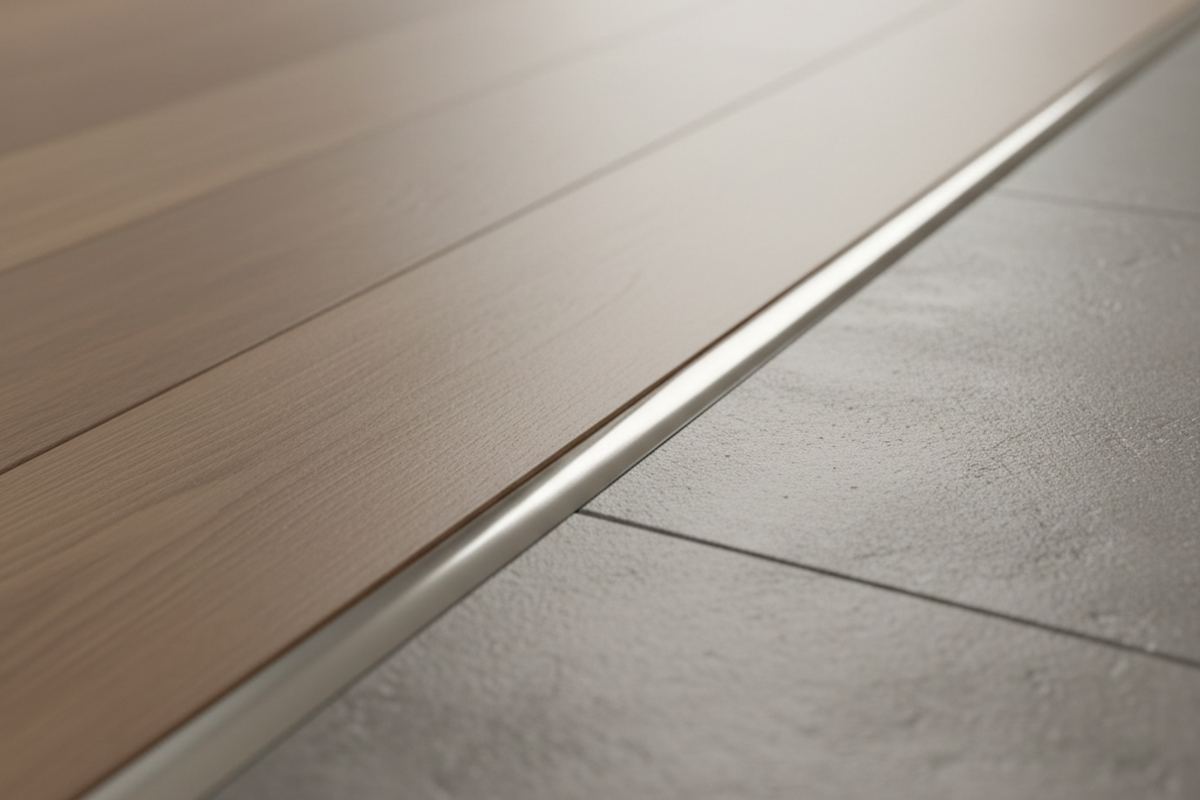
When undertaking a flooring project, homeowners often focus on the main material, color, and pattern. However, the details of how different flooring surfaces meet are critical to both the aesthetic appeal and long-term durability of the installation. Proper floor transitions and thresholds prevent tripping hazards, protect edges, and create a seamless look throughout your home. Understanding the various types available and their specific applications is key to a professional finish.
Understanding the Purpose of Transitions and Thresholds
Floor transitions and thresholds serve several important functions beyond simply covering seams. They accommodate differences in flooring height, which is common when installing new materials next to existing ones, or when moving from a thicker material like tile to a thinner one like vinyl. This height difference can be a tripping hazard if not properly addressed, making smooth transitions essential for safety.
Beyond safety, these elements also protect the edges of your flooring from wear and tear, preventing chipping, fraying, or lifting. They can also bridge gaps for expansion and contraction, which is crucial for floating floors like laminate or engineered wood. A well-chosen transition strip ensures your flooring endures daily traffic and maintains its integrity for years.
Reducer Strips: Bridging Height Gaps Gracefully
A reducer strip is designed to transition between two floors of different heights, typically when moving from a thicker floor to a thinner one. For example, if you are installing 3/4-inch hardwood flooring next to a 1/4-inch vinyl plank, a reducer strip will create a gentle slope, minimizing the height difference and preventing a sharp drop-off. These strips are often tapered on one side and flat on the other to accommodate the flooring edges.
Reducers are commonly used at doorways, at the edge of a room where new flooring meets an old, or whenever there's a significant height change. They are available in various materials, including wood, laminate, and metal, often chosen to match or complement the dominant flooring material. A typical reducer strip might bridge a height difference of 1/4 inch up to 3/4 inch, ensuring a smooth and safe transition.
- Ideal for wood or laminate meeting vinyl or linoleum.
- Creates a gentle slope to prevent tripping.
- Protects the edge of the thicker flooring material.
T-Molding: Connecting Floors of Equal Height
T-molding is specifically designed for transitions between two floors of the same or very similar height. Its 'T' shape allows the top flange to sit over the seam, while the bottom leg fits into an expansion gap between the two flooring materials. This is particularly useful for floating floors that require space to expand and contract with changes in temperature and humidity, preventing buckling.
You'll frequently see T-molding used to connect two rooms with the same flooring material, or where two different types of flooring, such as two different types of laminate or engineered wood, meet at a doorway. It creates a clean, finished look and is installed by either gluing it into the expansion gap or attaching it to a track secured to the subfloor. Ensure the expansion gap is sufficient, typically 1/2 inch to 3/4 inch, to accommodate the T-molding's base.
- Connects floors of identical height (e.g., laminate to laminate).
- Covers expansion gaps for floating floors.
- Provides a clean, finished appearance at doorways or room divisions.
Estimate flooring cost by square footage and material — with waste factor and install labor baked in.
Open the Flooring Cost CalculatorThresholds and Doorway Transitions
Thresholds are typically used at exterior doorways or transitions between rooms where a more robust, often raised, barrier is desired. They can be made from wood, metal, or stone and are designed to withstand heavy foot traffic and provide a clear demarcation between spaces. Some thresholds also offer weather sealing properties for exterior doors, preventing drafts and moisture intrusion.
These sturdy strips can also be used to transition from one flooring type to another, especially when there's a significant difference in material or height that a reducer strip cannot adequately address. For example, moving from a carpeted room to a tiled entryway might utilize a robust wooden threshold to manage the height and provide a durable edge for both materials. They are generally secured directly to the subfloor with screws or adhesive.
Stair Nosing: Finishing Stair Edges Safely
Stair nosing is a critical component for any staircase, providing a finished edge to each stair tread and significantly improving safety. It wraps around the front edge of the stair, covering the seam where the tread meets the riser, and often extends slightly over the riser. This rounded or angled edge protects the flooring material from wear and tear, especially at the high-traffic edge of each step.
Beyond protection, stair nosing offers essential slip resistance and visibility, making stairs safer to ascend and descend. It's available in materials matching common flooring types like hardwood, laminate, or vinyl, ensuring a cohesive look. When planning your flooring project, remember to account for the specific dimensions and style of stair nosing needed for each step to ensure a professional and secure installation.
Choosing the Right Transition for Your Project
Selecting the correct transition strip involves evaluating the height difference between the two flooring materials, the type of materials being joined, and the amount of foot traffic the area receives. For instance, a carpet-to-tile transition often requires a Z-bar or a specialized carpet-to-hard surface transition strip that securely holds the carpet edge while providing a clean seam against the hard flooring. Consider the expansion and contraction properties of your flooring materials.
Always aim for a transition that complements your flooring in material and color, creating a cohesive and polished look. Measure carefully and purchase slightly more than you need to allow for cuts and mistakes. Consulting with a flooring professional or referencing manufacturer guidelines can provide specific recommendations for your chosen materials, ensuring both functionality and aesthetic appeal for your finished floors.
The bottom line
Thoughtful selection and installation of floor transitions and thresholds are vital for the longevity, safety, and appearance of your home's flooring. These small details play a significant role in the overall success of your project, preventing common issues like tripping hazards and premature wear. By understanding the function of each type, you can achieve a professional and durable finish that enhances your home for years to come.
Get more guidance like this in your inbox
Weekly emergency-fund tactics, milestone checklists, and the next article — delivered free.
Run your own number
Get a personalized emergency fund target based on your income, expenses, and job stability.
Open the calculator