Flooring Labor Cost per Sq Ft (2026 by Material)
Real installer labor rates by flooring type across the US, with regional variance.
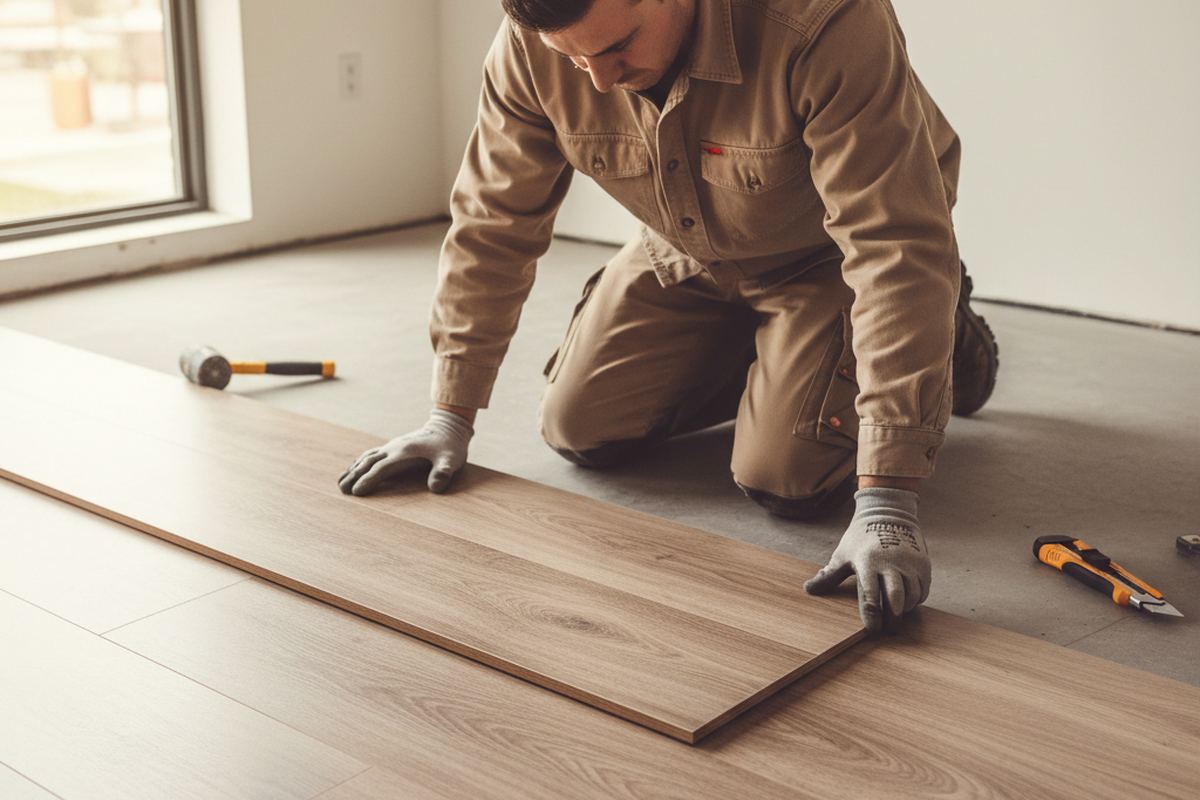
Choosing new flooring is a significant home improvement that can refresh your living space and increase property value. While material costs are often the primary focus, understanding the labor involved in installation is crucial for accurate budgeting. This guide breaks down typical flooring labor costs per square foot for various materials, using 2026 figures, to help homeowners make informed decisions. We'll explore how material complexity, regional differences, and subfloor preparation influence the final installation price, ensuring you have a clear picture of what to expect.
Understanding Flooring Labor Cost Factors
Flooring installation labor costs aren't static; they vary based on several key factors. The type of flooring material is a primary driver, as some materials like intricate tile patterns or delicate hardwoods require more specialized skills and time than simpler installations like laminate or carpet. The condition of your existing subfloor also plays a significant role. If extensive repairs, leveling, or removal of old flooring is needed, these preparatory steps will add to the overall labor expense, sometimes substantially.
Geographic location is another major determinant of labor rates. Metropolitan areas and regions with a higher cost of living generally have higher labor costs compared to rural or less densely populated areas. Furthermore, the complexity of the installation space itself – rooms with many corners, irregular shapes, or multiple obstacles like built-in cabinets – can increase labor time. Always discuss these potential complexities with your installer upfront to get the most accurate estimate.
Carpet Installation Labor Costs (2026)
Carpet remains a popular choice for its comfort and sound-dampening qualities. For standard residential carpet, labor costs in 2026 typically range from $1.00 to $2.50 per square foot. This includes cutting, seaming, stretching, and tacking the carpet. Factors that can push costs higher include installing on stairs, which is more labor-intensive, or removing old carpet and padding, which often incurs an additional fee of $0.50 to $1.00 per square foot.
Thicker, higher-pile carpets or those requiring special patterns might fall on the higher end of this range due to increased handling difficulty. Most installers will include basic trimming and disposal of small amounts of waste in their per-square-foot rate. For larger projects, some installers might offer a slight discount on the per-square-foot rate, but always confirm this detail in your quote.
Laminate and Vinyl Plank Labor Costs (2026)
Laminate and luxury vinyl plank (LVP) or luxury vinyl tile (LVT) are favored for their durability and DIY-friendly installation, though professional installation is common. In 2026, labor for these click-and-lock systems generally costs between $2.00 and $4.00 per square foot. This range accounts for the relatively straightforward nature of floating floor installations, which typically do not require adhesives or extensive subfloor preparation beyond ensuring it's clean and level.
However, specific types of vinyl that require glue-down installation, or intricate patterns like herringbone, will command higher labor rates, potentially reaching $5.00 per square foot. The removal of old flooring, especially if it's glued down, can add $1.00 to $2.00 per square foot. Installers often charge extra for moving heavy furniture or for complex cuts around door frames and irregular room shapes.
Estimate flooring cost by square footage and material — with waste factor and install labor baked in.
Open the Flooring Cost CalculatorHardwood and Engineered Wood Labor Costs (2026)
Hardwood and engineered wood flooring offer timeless appeal but come with higher installation labor costs due to their material characteristics and installation methods. For nail-down solid hardwood or glue-down engineered wood, expect labor to run from $4.00 to $8.00 per square foot in 2026. This range reflects the precision required for proper alignment, fastening, and potential sanding and finishing processes for unfinished hardwoods.
Floating engineered wood installations, which are less labor-intensive, might be at the lower end of this range. Complicating factors like intricate patterns (e.g., parquet), difficult subfloor conditions, or installations on multiple levels will push costs towards the higher end. Sanding and finishing for site-finished hardwood floors can add another $2.00 to $4.00 per square foot, depending on the number of coats and type of finish.
Tile and Stone Installation Labor Costs (2026)
Tile and natural stone are known for their longevity and aesthetic versatility but are among the most labor-intensive flooring options. In 2026, professional tile or stone installation labor typically ranges from $7.00 to $14.00 per square foot. This includes setting the tile, grouting, and sealing. The specific material, such as small mosaic tiles or largeformat natural stone, significantly impacts the labor required due to cutting precision and weight.
Complex patterns, intricate layouts, or installations in wet areas like bathrooms (which require specific waterproofing and sloping) will be at the higher end of this spectrum. Subfloor preparation, including installing cement board or a decoupling membrane, is almost always necessary for tile and stone and adds to the labor cost, often between $2.00 and $4.00 per square foot before tile setting even begins.
Regional Variations and Project Specifics
As mentioned, geographical location plays a substantial role in labor costs. For example, a flooring installer in a high-cost-of-living city like New York or San Francisco might charge 20-40% more per square foot than an installer in a smaller Midwestern town. It's essential to obtain multiple quotes from local professionals to understand the prevailing rates in your specific area. Online resources can also provide average ranges for your zip code.
Beyond location, the scope of work also influences pricing. Large, open areas with minimal obstacles are generally more cost-effective to install than multiple small rooms with numerous doorways and corners. Specialized tasks, such as custom inlays, border work, or transitions between different flooring types, will always add to the labor expense. Always ensure your written quote details all aspects of the project, from preparation to cleanup.
Minimizing Unexpected Labor Costs
To avoid surprises, clear communication with your chosen installer is paramount. Before signing any contract, ensure the quote explicitly details all aspects of the job, including subfloor preparation, old flooring removal and disposal, moving furniture, and any trim work. Ask about potential extra charges for unforeseen issues, such as extensive subfloor damage discovered after old flooring removal.
Consider doing some preparatory work yourself if you're comfortable, such as clearing the room of furniture or removing old flooring, though confirm with your installer first if this is acceptable and will reduce their labor charge. A detailed contract that outlines all inclusions and exclusions provides clarity and protects both you and the installer, ensuring a smoother project and a more predictable final cost.
The bottom line
Understanding the labor component of flooring installation is key to accurate budgeting for your home improvement project. By considering the material type, the complexity of your space, and regional pricing, you can better anticipate costs. Always obtain detailed quotes from multiple qualified installers to ensure you're getting a fair price for quality workmanship.
Get more guidance like this in your inbox
Weekly emergency-fund tactics, milestone checklists, and the next article — delivered free.
Run your own number
Get a personalized emergency fund target based on your income, expenses, and job stability.
Open the calculator