10 Flooring Mistakes That Cost Homeowners Thousands
The most expensive flooring mistakes in 2026 — from wrong underlayment to skipping expansion gaps.
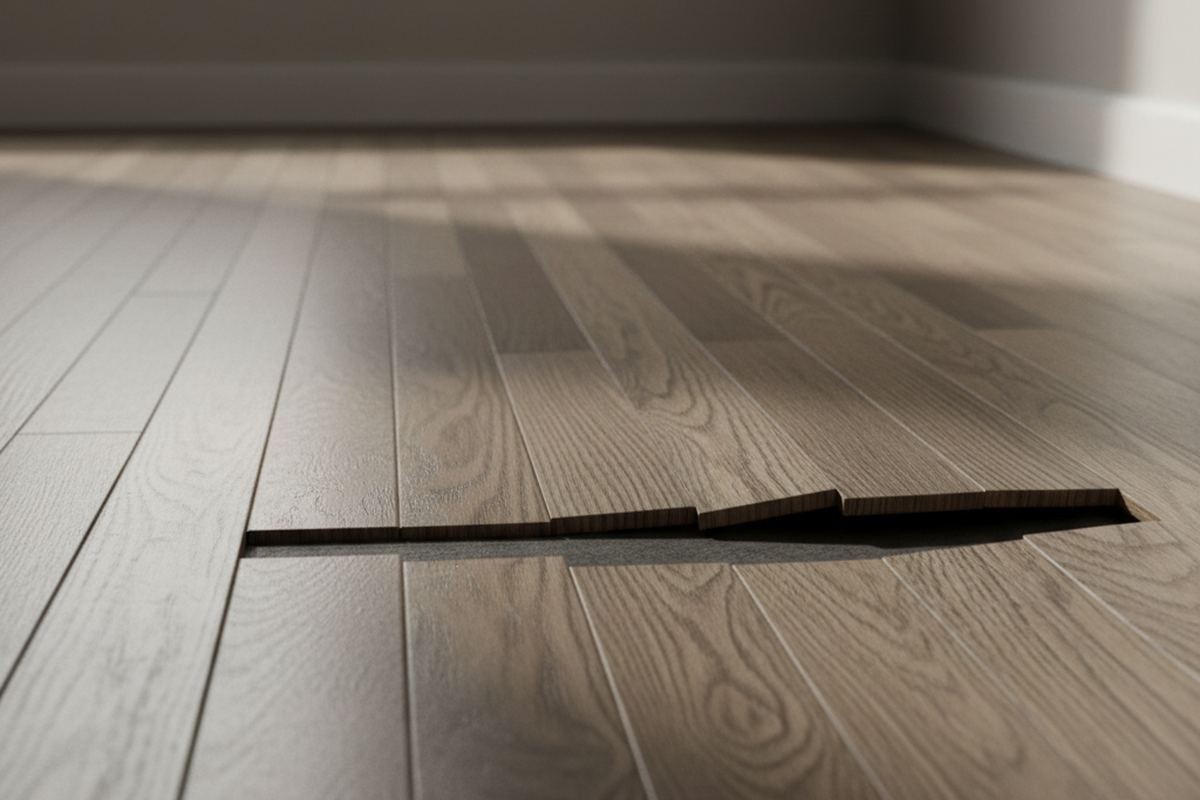
Replacing flooring is a significant investment, often costing thousands of dollars and involving considerable disruption to your home. While the allure of a fresh look is strong, overlooking critical details during planning and installation can transform that investment into a costly regret. Understanding common pitfalls before you begin can save you from expensive repairs, premature replacement, and ongoing frustration. This guide highlights key mistakes that frequently lead to financial losses for homeowners.
Underestimating Project Scope and Budget
Many homeowners focus solely on the per-square-foot cost of the flooring material itself, neglecting other essential expenses. Installation labor, subfloor preparation, removal and disposal of old flooring, trim, and unexpected repairs to the subfloor or joists can significantly inflate the total project cost. Forgetting these components often leads to budget overruns or cutting corners on critical steps.
A realistic budget for a 1,000 sq ft flooring project might range from $4,000 for basic laminate to over $20,000 for high-end hardwood, including professional installation. Factor in a contingency fund of 10-15% for unforeseen issues, especially in older homes. Proper budgeting ensures you can afford quality materials and skilled labor, which are key to a durable and attractive result.
Ignoring Subfloor Condition and Preparation
The subfloor is the foundation for your new flooring, and its condition directly impacts the longevity and appearance of the finished surface. Common issues include unevenness, moisture damage, rot, and structural instability. Installing new flooring over a compromised subfloor will almost certainly lead to problems like squeaks, cracks, warping, or premature wear, regardless of the quality of the new material.
Before installation, ensure the subfloor is clean, dry, level, and structurally sound. This may involve patching holes, sanding high spots, filling low spots, or replacing damaged sections. For example, a subfloor that is more than 1/8 inch out of level over 10 feet can cause significant issues with many flooring types. Addressing these issues proactively is far less expensive than tearing up new flooring to fix them later.
Choosing the Wrong Flooring for the Environment
Different flooring materials are suited for different environments. Selecting a material that isn't appropriate for its intended use can lead to rapid deterioration and dissatisfaction. For instance, solid hardwood is generally not recommended for basements or bathrooms due to high moisture levels, which can cause warping, cupping, or mold growth. Similarly, softwoods might not withstand heavy traffic in a busy entryway.
Consider factors like moisture exposure, foot traffic, sunlight exposure, and pet activity. For high-moisture areas, options like luxury vinyl plank (LVP) or tile are more durable. In high-traffic zones, engineered hardwood with a durable finish or robust laminate can be a better choice. Researching material properties and understanding how they interact with your home's conditions prevents costly misapplications.
Estimate flooring cost by square footage and material — with waste factor and install labor baked in.
Open the Flooring Cost CalculatorNeglecting Acclimation and Expansion Gaps
Many flooring materials, especially wood and laminate, absorb and release moisture, causing them to expand and contract. Failing to allow these materials to acclimate to your home's humidity and temperature before installation is a common and costly mistake. This oversight can lead to buckling, gapping, or warping after the floor is laid, necessitating extensive repairs or even full replacement.
Similarly, leaving insufficient expansion gaps around the perimeter of the room and near fixed objects is critical. These gaps, typically 1/4 to 1/2 inch depending on the material and room size, allow the floor to expand without pushing against walls. Without proper gaps, the floor can buckle or crack under pressure. Always follow manufacturer guidelines for acclimation periods, which often range from 48 to 72 hours, and expansion gap requirements.
Improper Underlayment or Vapor Barrier Use
The underlayment serves multiple crucial functions: providing cushioning, reducing sound transmission, and acting as a vapor barrier. Using the wrong type of underlayment, or skipping it entirely, can compromise the performance and longevity of your new floor. For example, many laminate floors require a specific underlayment for sound dampening and moisture protection.
A vapor barrier is particularly important when installing flooring over concrete slabs or in areas prone to moisture. Without it, moisture can seep up, causing mold, mildew, and damage to the flooring material. Always verify the specific underlayment and vapor barrier requirements for your chosen flooring material and subfloor type to prevent moisture-related failures.
DIY Installation Without Adequate Skills
While DIY projects can save money on labor, flooring installation often requires specialized tools, precise measurements, and specific techniques. Attempting a complex installation without the necessary skills or experience can lead to costly mistakes, such as uneven cuts, improperly laid planks, visible gaps, or damage to the material. The cost of correcting these errors often outweighs the initial labor savings.
Consider the complexity of the task and your own skill level. Simple click-and-lock laminate or LVP might be manageable for experienced DIYers, but intricate tile patterns, hardwood installations, or projects requiring extensive subfloor preparation are often best left to professionals. A poorly installed floor not only looks bad but also wears out faster, diminishing your home's value.
The bottom line
Avoiding these common flooring mistakes can protect your investment and ensure your new floors perform well for years to come. Thorough research, careful planning, and attention to detail during installation are essential. By understanding the potential pitfalls, you can make informed decisions that contribute to a beautiful and durable result.
Get more guidance like this in your inbox
Weekly emergency-fund tactics, milestone checklists, and the next article — delivered free.
Run your own number
Get a personalized emergency fund target based on your income, expenses, and job stability.
Open the calculator