Party Budget Split: Food vs Cake vs Entertainment
The recommended party budget split by category and where to cut.
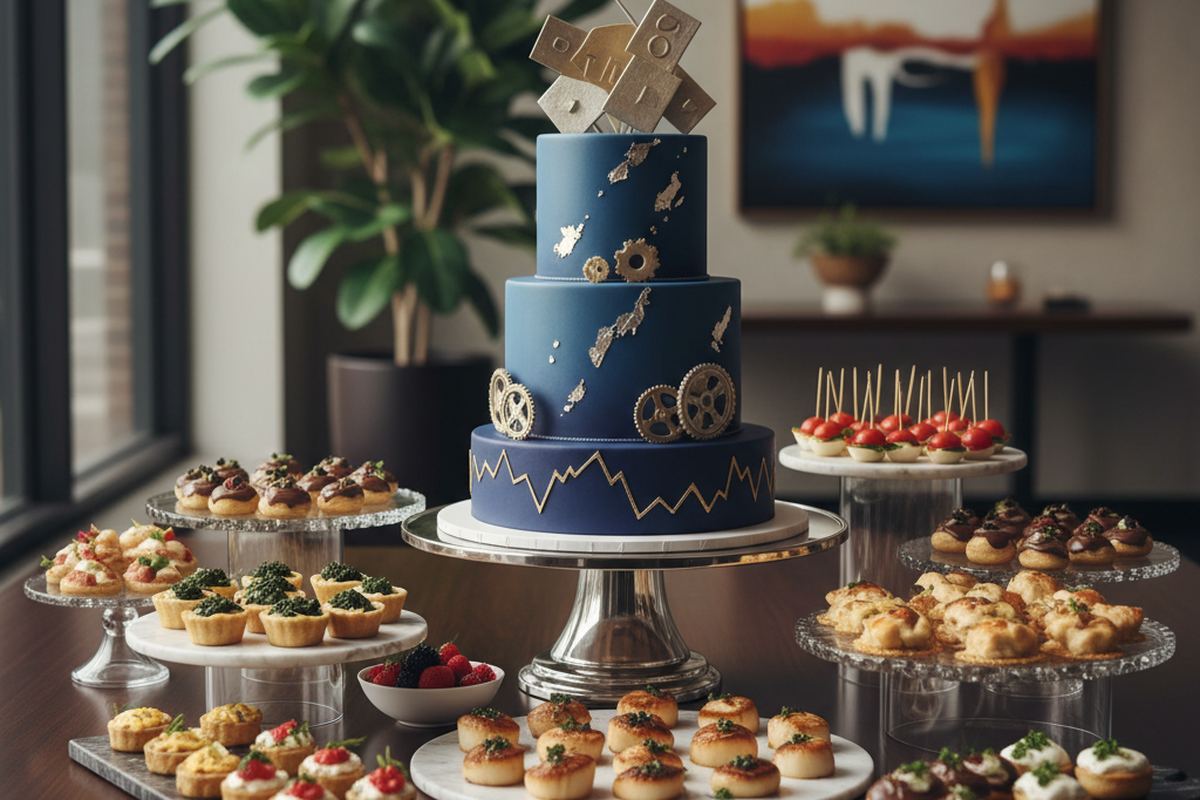
Planning a memorable birthday party doesn't have to strain your finances. Many parents juggle the desire for a special celebration with the need to stay within budget. Understanding how to allocate funds across different party elements, such as food, cake, and entertainment, is key to achieving both. This guide provides a data-oriented approach to budgeting for your child's next birthday, helping you prioritize spending effectively. We'll explore typical cost distributions and identify areas where smart choices can lead to significant savings.
Understanding Average Party Costs
The total cost of a child's birthday party can vary widely, typically ranging from $200 to over $1,000, depending on the number of guests, venue, and chosen activities. For a moderate-sized party of 10-15 children, a budget of $400 to $600 is common. This budget needs to cover everything from invitations and decorations to food, cake, and entertainment. Prioritizing early in the planning process helps ensure that essential elements are covered without overspending on less critical items.
A useful starting point is to consider the overall experience you wish to create. Is the focus on elaborate entertainment, a gourmet menu, or a beautifully themed cake? Deciding on your primary objective helps in allocating larger portions of your budget to that specific area. For instance, if entertainment is paramount, you might opt for a simpler cake or less complex food options to balance the overall expenditure.
Allocating Funds for Food and Beverages
Food and beverages often consume a significant portion of a birthday party budget, typically ranging from 25% to 40% of the total. For a party with a $500 budget, this means $125 to $200 could be spent on snacks, main dishes, and drinks. The cost is heavily influenced by whether you cater, cook yourself, or opt for simpler fare like pizza or hot dogs. Self-catering or choosing budget-friendly options can drastically reduce this percentage, freeing up funds for other categories.
When planning food, consider the age of the children and the duration of the party. Younger children often prefer simple, familiar foods, and a shorter party may only require snacks and drinks rather than a full meal. Providing water alongside juice or soda can also help control beverage costs. Aim to offer variety without excessive quantities to minimize waste and manage expenses effectively.
- Pizza: A popular and cost-effective choice for children's parties.
- Finger Foods: Mini sandwiches, fruit platters, and veggie sticks are easy to prepare and eat.
- Drinks: Offer water, juice boxes, and a single soda option to keep costs down.
Budgeting for the Birthday Cake
The birthday cake, a central element of any celebration, typically accounts for 10% to 20% of the total party budget. For a $500 party, this translates to $50 to $100. This range can fluctuate based on customization, size, and whether it's store-bought or professionally baked. A custom-designed cake with intricate details will naturally cost more than a standard sheet cake from a local grocery store.
To manage cake costs, consider baking the cake yourself if you enjoy it, or opting for a simpler design from a bakery. Cupcakes are another excellent alternative, often less expensive than a large custom cake and easier to serve. They also offer individual portions, which can reduce waste. Focus on flavor and presentation rather than elaborate, costly decorations if budget is a primary concern.
Plan a birthday party that hits the vibe without wrecking the month.
Open the Birthday Party Budget CalculatorEntertainment and Activities: Where the Fun Happens
Entertainment and activities can be one of the most variable budget categories, potentially ranging from 20% to 50% of the total budget. For a $500 party, this could mean $100 to $250. This wide range reflects options from simple backyard games to hired entertainers, bounce houses, or off-site venues like play gyms or bowling alleys. The more elaborate the entertainment, the higher the cost will be.
Creative, low-cost entertainment options can be just as engaging. Organized games, a craft station, or a themed scavenger hunt can provide hours of fun without significant expense. If your budget allows for a paid entertainer, ensure their services align with the age group and party theme. Prioritize activities that can keep all guests engaged and minimize downtime.
- DIY Games: Classic party games like musical chairs or charades are free and fun.
- Craft Station: Simple supplies for a themed craft can be engaging.
- Outdoor Play: Utilize parks or your backyard for active, low-cost entertainment.
Decorations, Favors, and Invitations
These smaller categories collectively account for approximately 10% to 20% of the total budget. For a $500 party, this means $50 to $100 for items like balloons, streamers, plates, cups, and party favors. While these items contribute to the party's atmosphere, they are also areas where substantial savings can be made without compromising the overall experience. Prioritize reusable decorations or those that can be repurposed.
Consider making your own invitations or using digital options to save on printing costs. For party favors, focus on small, meaningful items rather than expensive trinkets. A single, useful item or a small bag of treats can be more appreciated than a collection of inexpensive plastic toys. The goal is to create a festive environment and thank guests without overspending on disposable items.
Strategies for Smart Savings
Several strategies can help optimize your birthday party budget. Hosting the party at home or a local park eliminates venue rental fees, which can be a significant saving. Limiting the guest list is another direct way to reduce costs across all categories, as fewer guests mean less food, fewer favors, and a smaller cake. Consider a 'half-party' where only a few close friends are invited for a smaller, more intimate celebration.
Planning ahead allows for price comparisons and DIY projects, avoiding last-minute premium charges. Borrowing party supplies or decorations from friends, utilizing digital invitations, and opting for off-peak times or days for venue rentals can also lead to considerable savings. Focus on what truly matters to the birthday child and their guests, rather than feeling pressured to include every possible party element.
Putting Your Budget into Action
Once you have a clear understanding of typical cost distributions, you can begin to tailor your budget to your specific party vision. For a $500 budget, a possible split could be: Food (30%, $150), Cake (15%, $75), Entertainment (35%, $175), and Decorations/Favors/Invitations (20%, $100). This provides a framework, but remember that flexibility is key. If entertainment is your priority, you might shift funds from food or decorations.
Regularly track your spending against your budget as you plan. This helps identify areas where you might be overspending and allows for adjustments before costs get out of hand. The goal is to create a memorable and enjoyable celebration that fits comfortably within your financial means, ensuring the focus remains on the joy of the occasion rather than financial stress.
The bottom line
Thoughtful budgeting for a birthday party ensures a joyful celebration without financial strain. By understanding typical cost allocations for food, cake, and entertainment, you can make informed decisions. Prioritize what matters most to your family and explore creative alternatives to manage expenses effectively. A well-planned budget transforms party planning into a rewarding experience.
Get more guidance like this in your inbox
Weekly emergency-fund tactics, milestone checklists, and the next article — delivered free.
Run your own number
Get a personalized emergency fund target based on your income, expenses, and job stability.
Open the calculator