Foundation and Grading: The Most Ignored Home Maintenance
Why foundation maintenance is the highest-ROI task, and the annual walk-around checklist.
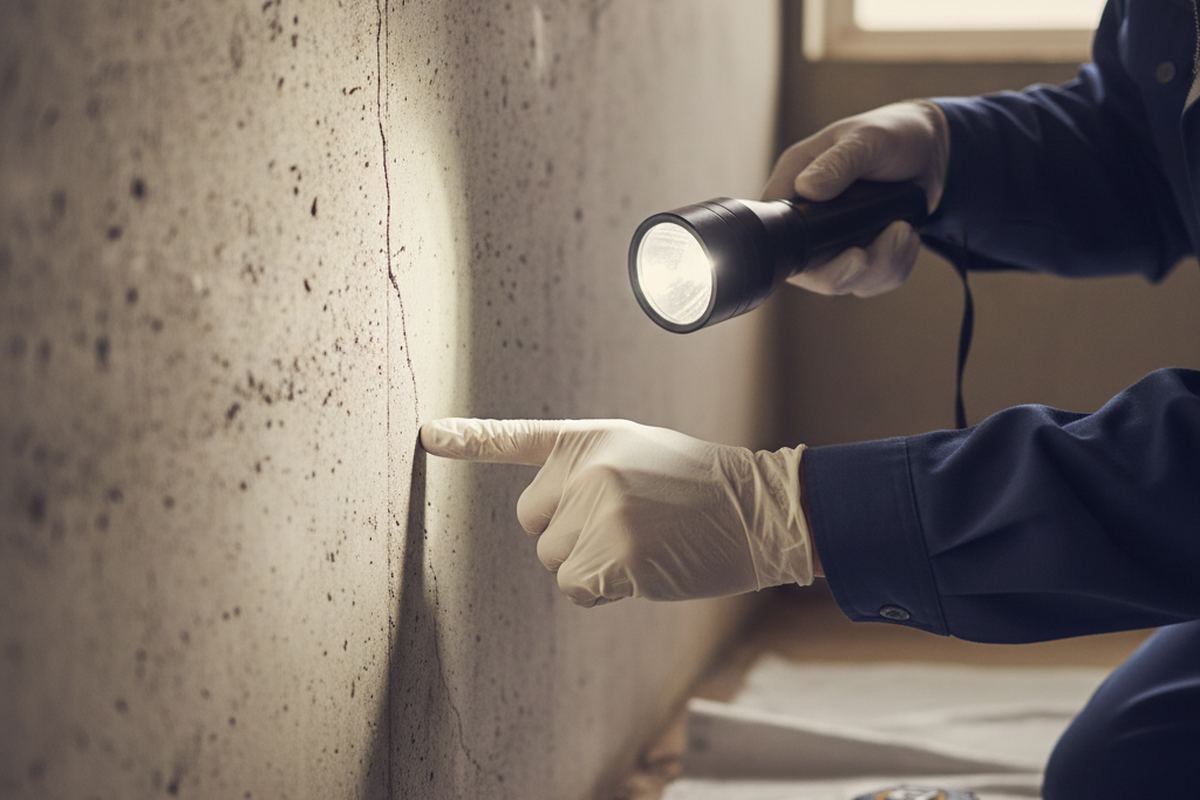
The foundation of your home is its most critical structural component, yet it often receives less attention than more visible elements. Ignoring foundation issues can lead to expensive repairs, diminished home value, and potential safety hazards. Understanding the signs of foundation stress and implementing proactive maintenance, especially regarding proper grading, can save homeowners significant time and money. This guide outlines essential steps for protecting your home's base.
Understanding Your Home's Foundation
Your home's foundation is designed to support the entire structure, distributing its weight evenly across the soil. In the US, common foundation types include slab-on-grade, crawl space, and full basement foundations. Each type has specific maintenance considerations, but all are susceptible to issues related to soil movement, moisture, and tree roots. Regular inspections are crucial for early detection of potential problems, regardless of your foundation type.
Soil conditions play a significant role in foundation health. Expansive clay soils, common in many regions, can swell when wet and shrink when dry, creating pressure changes that stress foundations. Proper drainage and consistent soil moisture levels around the foundation perimeter are key to mitigating these effects. Homeowners should be aware of the soil type on their property and how local weather patterns might impact it.
The Critical Role of Proper Grading
Effective grading around your home is perhaps the most cost-effective way to prevent foundation damage. The ground around your house should slope away from the foundation by at least six inches over the first ten feet. This ensures that rainwater and snowmelt are directed away from the structure, preventing water accumulation that can seep into the soil and exert hydrostatic pressure on foundation walls or lead to soil expansion and contraction.
Improper grading, where water pools near the foundation or flows towards it, is a primary cause of foundation problems. This can lead to issues like cracked foundations, leaky basements, and even pest infestations attracted to damp conditions. Correcting grading issues, often through simple landscaping adjustments or the installation of French drains, is a relatively inexpensive preventative measure compared to the cost of repairing a damaged foundation, which can range from $5,000 to over $50,000 depending on severity.
- Ensure a minimum 6-inch slope away from the foundation over 10 feet.
- Install splash blocks or extend downspouts to direct water away.
- Avoid planting large trees or shrubs too close to the foundation.
Annual Foundation Inspection Checklist
Conducting a thorough visual inspection of your foundation annually, preferably in both wet and dry seasons, can help identify problems early. Look for cracks in the foundation walls, both inside and out. Small hairline cracks are often cosmetic, but horizontal cracks, stair-step cracks in masonry, or cracks wider than 1/8 inch could indicate structural movement. Pay attention to any bowing or bulging in basement walls.
Beyond the foundation itself, inspect interior signs of distress. Check for doors and windows that stick or don't close properly, cracks in drywall or plaster, especially around door and window frames, and uneven or sloping floors. These interior indicators can often be the first visible signs of foundation settlement or movement, prompting further investigation. Addressing these issues promptly can prevent them from escalating.
- Examine exterior foundation walls for cracks, bowing, or shifting.
- Check interior basement or crawl space walls for moisture, efflorescence, or cracks.
- Inspect doors and windows for sticking or misalignment.
- Look for cracks in interior drywall, especially above doorways and at ceiling-wall junctions.
- Assess floors for unevenness or sagging.
See what to set aside every month for home maintenance — with the 1% and $1/sq ft rules and age adjustments.
Open the Home Maintenance Budget CalculatorManaging Soil Moisture Around Your Home
Maintaining consistent soil moisture around your foundation is critical, particularly in regions with expansive clay soils. During dry periods, soil can shrink and pull away from the foundation, leading to settlement. In excessively wet periods, soil can expand, pushing against the foundation. A balanced approach involves ensuring good drainage and, in very dry climates, sometimes light irrigation near the foundation to prevent excessive drying and cracking.
Over-watering landscaping near the foundation should also be avoided, as this can contribute to soil saturation and hydrostatic pressure. Consider adding mulch or ground cover to help retain consistent soil moisture. For optimal results, ensure that any irrigation systems are directed away from the foundation and that water is not allowed to pool near the structure.
Addressing Foundation Cracks and Repairs
Not all foundation cracks indicate a major structural problem. Hairline cracks often result from normal concrete curing and shrinkage. However, any crack that is growing, wider than a dime, or accompanied by other signs of movement (like sticking doors) warrants professional evaluation. A structural engineer can assess the severity of cracks and recommend appropriate repair strategies.
Minor cracks can sometimes be sealed by homeowners to prevent water intrusion. However, significant foundation issues, such as severe cracking, bowing walls, or uneven settlement, typically require specialized repair by a foundation contractor. Repairs might involve techniques like piering, underpinning, or crack injection, with costs varying widely based on the extent of the damage. A typical repair could range from $8,000 to $25,000 for moderate issues.
Budgeting for Foundation Maintenance and Reserves
Proactive maintenance of your home's foundation and grading should be factored into your annual home maintenance budget. While regular inspections and minor grading adjustments are relatively low cost, it's prudent to set aside funds for potential larger repairs. A general guideline suggests allocating 1% to 4% of your home's value annually for overall home maintenance, with a portion of that dedicated to structural components.
For a home valued at $350,000, this could mean setting aside $3,500 to $14,000 per year for all maintenance, with perhaps $500 to $1,500 specifically earmarked for foundation-related contingencies. Establishing a dedicated emergency fund specifically for significant home repairs, including foundation work, ensures you are financially prepared should a major issue arise, preventing financial strain and allowing for timely repairs.
When to Call a Professional
While routine inspections and minor grading adjustments can be handled by homeowners, certain situations require professional expertise. If you observe significant cracks, bowing walls, uneven floors, or persistent water intrusion in your basement or crawl space, it's time to consult an expert. A structural engineer can provide an unbiased assessment of the foundation's condition and recommend a repair plan.
For complex grading issues, a landscape architect or drainage specialist can design solutions to effectively divert water away from your home. When choosing a foundation repair contractor, seek multiple quotes, verify licenses and insurance, and check references. A qualified professional can diagnose the root cause of issues and implement durable, effective solutions to protect your home's long-term stability.
The bottom line
Prioritizing the health of your home's foundation is one of the most impactful maintenance tasks a homeowner can undertake. Regular inspections, proper grading, and diligent moisture management are key to preventing costly structural damage. By understanding the signs of trouble and acting proactively, you can safeguard your investment and ensure the long-term stability and value of your home.
Get more guidance like this in your inbox
Weekly emergency-fund tactics, milestone checklists, and the next article — delivered free.
Run your own number
Get a personalized emergency fund target based on your income, expenses, and job stability.
Open the calculator