Front Yard vs Backyard: Where Landscaping Dollars Go Furthest
Curb appeal pays more than backyard — the 2026 resale math.
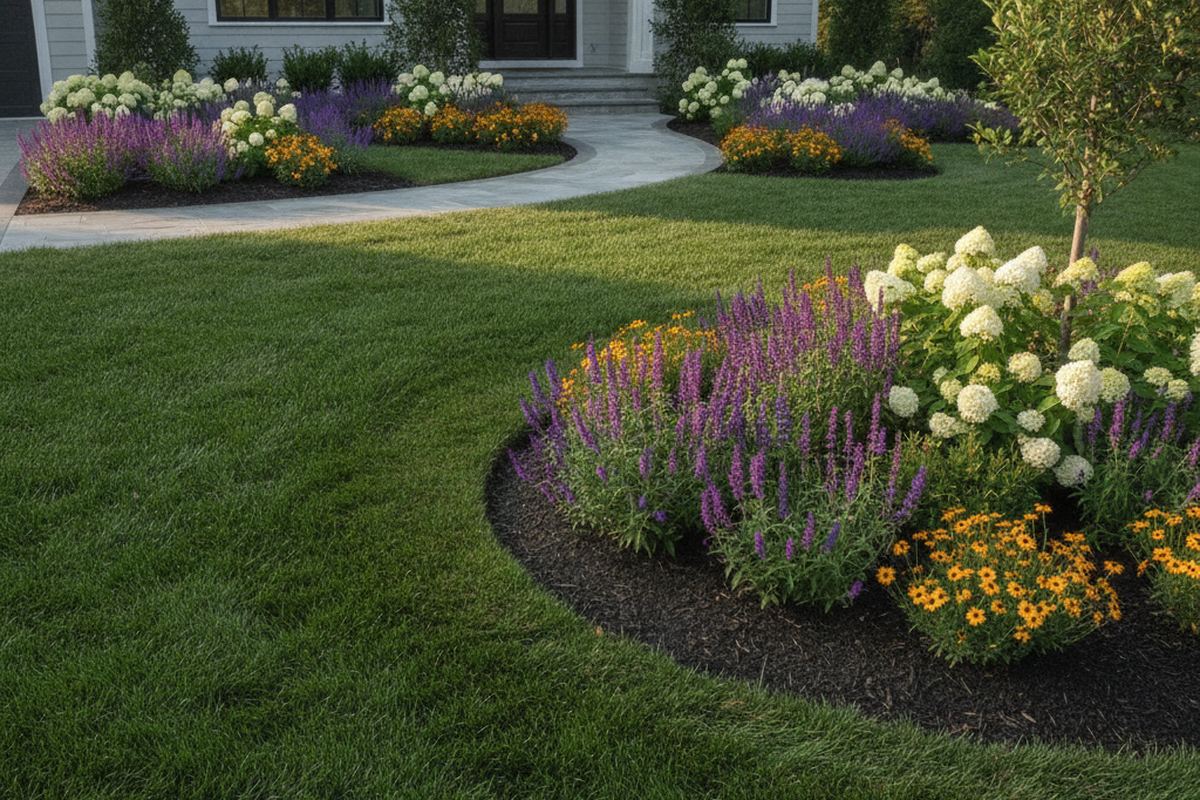
Deciding where to allocate your landscaping budget can significantly impact your home's value and your enjoyment of the property. While a lush backyard offers private retreat, the front yard often dictates first impressions and curb appeal. Understanding the financial implications of investing in each area is crucial for homeowners planning multi-phase projects. This guide explores how your landscaping dollars can be most effectively spent, considering both immediate enjoyment and long-term return on investment.
Understanding the Value Drivers: Front Yard First Impressions
The front yard serves as your home's public face, directly influencing curb appeal and perceived value. Studies consistently show that well-maintained front landscaping can increase a home's value by 7% to 15%. This immediate visual impact is particularly important for potential buyers, often forming their first and lasting impression before they even step inside.
Key elements contributing to a strong front yard impression include a healthy lawn, attractive plantings, well-defined pathways, and appropriate lighting. Investing in these areas can yield a high return, with some projects like permeable pavers or an upgraded entryway seeing a cost recovery of 75% or more upon resale. Prioritizing the front yard ensures your property stands out in the market.
Backyard as an Extension of Living Space
The backyard, in contrast, functions as a private oasis and an extension of your indoor living space. Its value is often tied to usability, privacy, and amenities that enhance lifestyle, such as patios, decks, outdoor kitchens, or fire pits. While not always directly impacting curb appeal, a well-designed backyard significantly boosts a home's livability and can be a strong selling point for families or those who enjoy entertaining.
Investments in backyard features tend to offer a different kind of return. For example, a new composite deck might recoup 65-70% of its cost, while a well-executed patio could see similar recovery. The perceived value here is in the added functional space and enhanced quality of life, which can justify a higher asking price for the right buyer.
Strategic Budget Allocation: Blending Both Areas
For multi-phase projects, a balanced approach often yields the best results. Start by addressing any significant issues in the front yard that detract from curb appeal, such as overgrown shrubs or a patchy lawn. A modest investment here can create a strong foundation. Next, identify one or two high-impact projects in the backyard that align with your lifestyle needs, such as a usable patio or a dedicated play area.
Consider your overall budget and timeline for 2026. If your budget is limited, focus on high-impact, low-cost improvements in the front, like fresh mulch, seasonal flowers, and minor repairs. For larger budgets, you can begin to integrate more substantial features in both areas, ensuring a cohesive design that flows from front to back. Aim for continuity in plant choices and hardscaping materials.
Build a phased landscaping budget — hardscape, softscape, irrigation — that fits your yard.
Open the Landscaping Budget PlannerPrioritizing Maintenance for Lasting Value
Regardless of where you invest, ongoing maintenance is critical for preserving and enhancing your landscaping's value. A beautifully designed garden quickly loses its appeal if it's neglected. Regular watering, weeding, pruning, and seasonal clean-ups are essential to protect your investment and ensure your plants thrive.
Factor maintenance costs into your initial budgeting. For example, a professional lawn care service might range from $40 to $80 per visit, while a full garden clean-up could be $200 to $400, depending on your yard size and complexity. Neglecting these aspects can lead to costly repairs or even the need to replace entire sections of your landscaping prematurely.
Projected ROI: What to Expect in 2026
Looking ahead to 2026, the return on investment for landscaping projects remains strong. Minor landscaping updates, such as improving planting beds and adding a fresh layer of mulch, can see an average ROI of 100% or more. This means the value added to your home can equal or exceed the cost of the project.
More extensive projects, like installing an irrigation system or a major patio addition, typically offer an ROI ranging from 50% to 85%. While these larger projects may not fully recoup their cost dollar-for-dollar, they significantly enhance your home's marketability and often justify a higher asking price, especially in competitive markets where outdoor living space is highly valued.
- Minor landscaping updates: ~100%+ ROI
- New patio or deck: ~50-70% ROI
- Outdoor kitchen: ~40-60% ROI (highly variable)
- Irrigation system: ~60-80% ROI
Budgeting for Success: Practical Steps
Start by defining your goals for both the front and backyard. Do you need more privacy in the back, or better curb appeal in the front? Allocate a specific percentage of your overall home improvement budget to landscaping, typically ranging from 5% to 15% of your home's value for comprehensive projects.
Obtain multiple quotes from reputable landscapers for larger projects. For smaller, DIY tasks, meticulously list all materials needed, including soil, plants, tools, and delivery fees. Always build in a contingency fund of 10% to 15% for unexpected costs or design changes.
The bottom line
Thoughtful planning is the cornerstone of any successful landscaping project, especially when balancing the distinct roles of your front and backyard. By understanding the unique value each area brings, and allocating your resources strategically, you can maximize both your enjoyment and your home's financial appreciation. Prioritize projects that align with your lifestyle while also enhancing curb appeal and functionality.
Get more guidance like this in your inbox
Weekly emergency-fund tactics, milestone checklists, and the next article — delivered free.
Run your own number
Get a personalized emergency fund target based on your income, expenses, and job stability.
Open the calculator