Garden Shed vs Storage Bin: What's Worth the Money?
The 2026 cost of a garden shed vs a storage bin and when each wins.
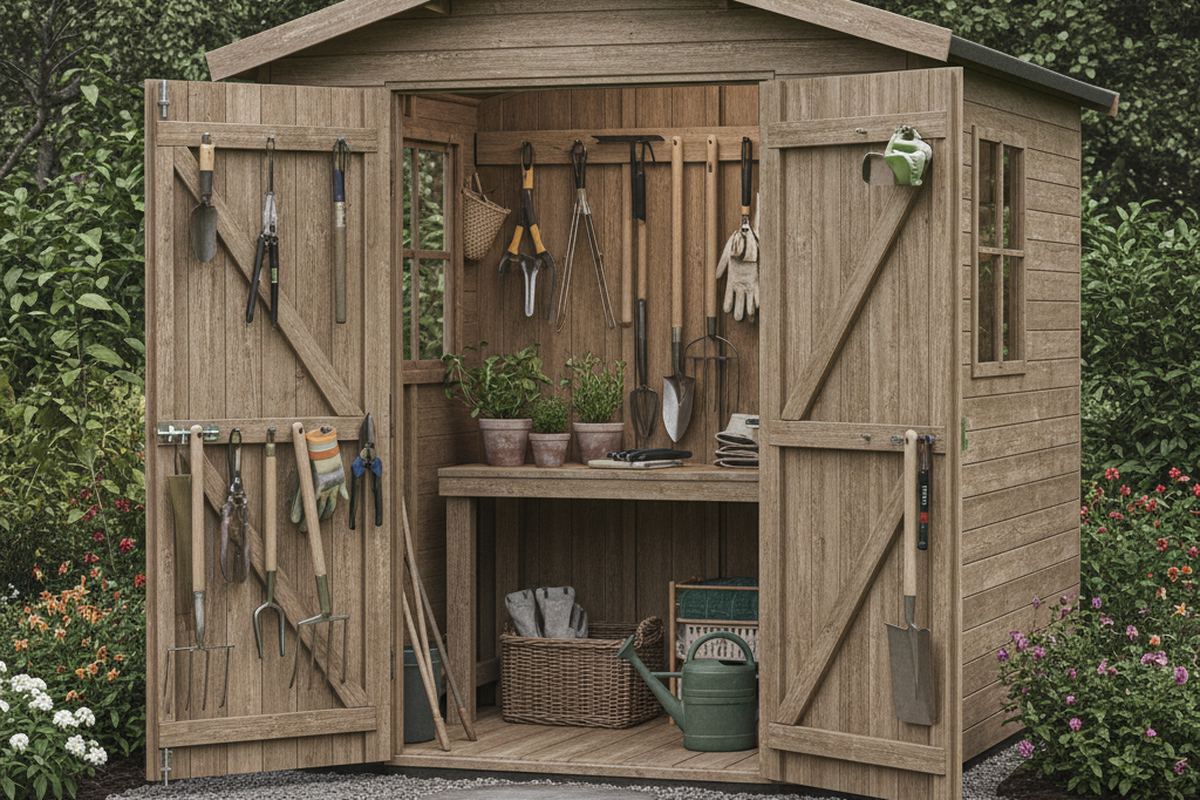
Deciding how to store your gardening tools and supplies is a key step in organizing your outdoor space. The choice between a garden shed and a storage bin involves more than just initial cost; it impacts convenience, security, and the longevity of your equipment. This guide will break down the practical considerations and financial outlays for each option, helping you make an informed decision for your 2026 gardening season. Understanding the pros and cons will ensure your investment aligns with your gardening needs and budget.
Understanding Garden Storage Bins
Storage bins, often made from durable plastic or resin, offer a straightforward and budget-friendly solution for smaller storage needs. They are ideal for housing items like hand tools, gardening gloves, small bags of soil, or even a coiled hose. Their portability and relatively compact footprint make them suitable for patios, balconies, or smaller yards where space is at a premium. Many models are weather-resistant, protecting contents from rain and sun.
The cost for a quality storage bin in 2026 typically ranges from $100 to $400, depending on size, material, and features like built-in seating or lockable lids. For instance, a 100-gallon resin deck box might cost around $150-$250. While they provide basic protection, they generally lack the security and organizational capacity of a shed. Their lifespan can vary, but most well-maintained resin bins can last 5-10 years.
- Lower initial cost
- Portable and lightweight
- Ideal for small tools and supplies
- Weather-resistant for basic protection
Exploring Garden Sheds
A garden shed provides a more substantial and versatile storage solution, capable of accommodating larger equipment such as lawnmowers, tillers, wheelbarrows, and an extensive collection of tools. Beyond storage, sheds can be customized with shelving, workbenches, and even electricity, transforming them into dedicated potting areas or workshops. Their robust construction offers superior security and protection from the elements, prolonging the life of your valuable garden machinery.
The investment in a garden shed in 2026 can range significantly based on material, size, and whether it's a DIY kit or professionally installed. A basic 6x4-foot resin shed kit might start around $500-$1,000. Larger wooden or metal sheds, especially installed models, can cost anywhere from $2,000 to $8,000 or more. While the upfront cost is higher, a well-built shed can last 15-25 years or longer, often adding value to your property.
- Ample storage for large equipment
- Enhanced security and weather protection
- Customizable interior for organization
- Potential for increased property value
Cost Comparison and Value Over Time
When evaluating the financial aspect, consider not just the purchase price but also the long-term value and maintenance. A $200 storage bin might seem cheaper than a $2,000 shed. However, if you replace the bin every 7 years, you've spent $600 over 21 years. The shed, lasting 21 years, costs $2,000 but provides significantly more utility, security, and potential property value. This comparison highlights that the 'cheaper' option isn't always the most cost-effective in the long run.
Beyond the initial purchase, factor in potential permit costs for sheds (especially larger ones), foundation preparation, and ongoing maintenance. Resin bins typically require minimal maintenance, perhaps just a periodic cleaning. Wooden sheds, conversely, may need painting or staining every few years and occasional repairs. Metal sheds are generally low-maintenance but can be susceptible to rust if not properly treated or if coatings are damaged.
Plan a real garden — bed size, soil, mulch, and grocery-equivalent yield.
Open the Garden PlannerSpace and Accessibility Considerations
Your available outdoor space is a primary determinant. A small urban garden or balcony might only accommodate a compact storage bin, whereas a larger backyard can comfortably house a shed. Consider the visual impact as well; a shed becomes a more permanent fixture and should ideally complement your home's aesthetic. Bins are less intrusive and can be tucked away more easily.
Accessibility is another key factor. Bins are often top-loading, which can make accessing items at the bottom challenging. Sheds, with their walk-in design and often wider doors, allow for easier retrieval of tools and equipment. If you frequently use many different items, the organization and access offered by a shed's interior shelving and wall hooks can save time and frustration.
Security and Protection for Your Gear
The level of security and protection needed for your gardening tools directly influences your choice. For inexpensive hand tools and consumables, a basic lockable storage bin might suffice. However, if you own valuable power tools, a high-quality lawnmower, or expensive irrigation components, the robust construction and enhanced locking mechanisms of a shed provide significantly better theft deterrence and protection from weather extremes. Freezing temperatures can damage certain liquids or battery-operated tools if not stored properly.
Sheds often come with options for more secure locks, reinforced doors, and even alarm systems. They create a more controlled environment, safeguarding items from moisture, UV degradation, and temperature fluctuations that can shorten the lifespan of sensitive equipment. While a bin offers basic shelter, a shed offers a true protective enclosure, preserving your investment in gardening equipment.
When to Choose Each Option
Opt for a garden storage bin if your needs are modest: you have a small garden, primarily use hand tools, and need to store only a few small items. It's also suitable if budget is a strict constraint and you need an immediate, simple solution. Bins are excellent for overflow storage or for items you want to keep close to your immediate gardening area, like a watering can or frequently used trowel.
Invest in a garden shed when you have a larger garden, own substantial equipment (like a riding mower or rototiller), require robust security, or envision a dedicated workspace for potting and garden projects. A shed is a long-term investment that provides superior organization, protection, and versatility, ultimately enhancing your gardening experience and potentially increasing your property's appeal.
The bottom line
The decision between a garden shed and a storage bin hinges on your specific gardening habits, the volume and value of your tools, available space, and budget. Carefully assess your current and future needs to determine which storage solution offers the best combination of functionality, durability, and value for your home. Making the right choice will ensure your gardening efforts are well-supported and your tools remain in excellent condition.
Get more guidance like this in your inbox
Weekly emergency-fund tactics, milestone checklists, and the next article — delivered free.
Run your own number
Get a personalized emergency fund target based on your income, expenses, and job stability.
Open the calculator