Garden Soil Cost: Bagged vs Bulk in 2026
The 2026 cost of garden soil bagged vs bulk — with the break-even yardage.
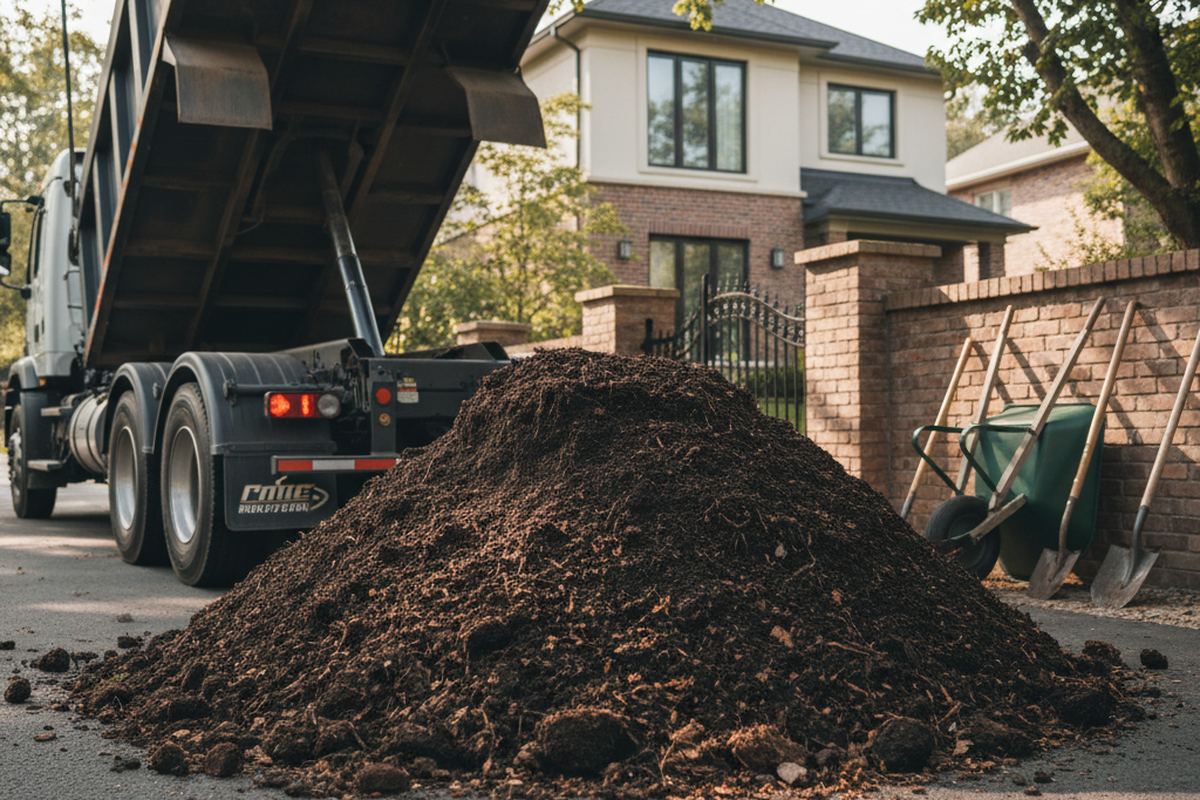
Understanding the cost of garden soil is crucial for any homeowner planning a new vegetable patch or backyard garden. The choice between purchasing bagged soil from a retail store and buying in bulk from a landscape supplier can significantly impact your project budget. This decision often hinges on the volume of soil required and the practicalities of delivery and handling. We'll explore the pricing differences between these two options for 2026 and help you determine which approach is most economical for your gardening needs.
Understanding Bagged Soil Costs
Bagged soil, typically sold in 0.75 to 2 cubic foot bags, offers convenience and easy transport for smaller projects. For 2026, a standard 1.5 cubic foot bag of general-purpose garden soil, suitable for raised beds or amending existing soil, is projected to cost between $8 and $15, depending on the brand and specific amendments included. Premium mixes, such as organic blends or specialized potting soils, will fall at the higher end of this range or exceed it, sometimes reaching $20 per bag.
To compare this to bulk pricing, it's helpful to convert the bagged cost into a per-cubic-yard equivalent. Since one cubic yard contains 27 cubic feet, you would need 18 bags of 1.5 cubic feet each to equal one cubic yard. At an average price of $12 per bag, this translates to an effective cost of $216 per cubic yard for bagged soil. This figure does not include the physical effort of transporting and unloading numerous bags, which can be considerable for larger volumes.
Bulk Soil Pricing in 2026
Bulk soil is sold by the cubic yard and is generally more cost-effective for larger gardening projects. For 2026, the price per cubic yard for standard garden soil from a landscape supply yard is estimated to range from $35 to $75. This range accounts for variations in soil type (e.g., topsoil, garden mix, enriched compost blends), local market conditions, and supplier. Specialized blends, like those specifically formulated for vegetable gardens with added nutrients, might be priced at $60 to $100 per cubic yard.
Delivery fees are a significant factor when purchasing bulk soil. These fees can vary widely based on your distance from the supplier, the quantity of soil ordered, and the type of delivery vehicle required. For a typical delivery within 10-15 miles, expect to pay an additional $50 to $150. Some suppliers offer reduced or waived delivery fees for very large orders (e.g., 10+ cubic yards), while others might impose minimum order sizes for delivery.
Calculating Your Soil Needs
Before deciding between bagged and bulk, accurately calculate the volume of soil you need. For a raised bed, multiply its length by width by desired soil depth (all in feet) to get cubic feet, then divide by 27 to get cubic yards. For example, a raised bed 4 feet wide, 8 feet long, and 1 foot deep requires 32 cubic feet of soil, or approximately 1.18 cubic yards. This precise measurement helps prevent over-ordering or under-ordering.
When amending an existing garden, estimate the area in square feet and the desired depth of amendment. For a 100 square foot area needing 4 inches of new soil, you would need approximately 33 cubic feet, or about 1.22 cubic yards. Always add a small buffer, perhaps 5-10%, to your calculation to account for compaction or slight measurement discrepancies.
Plan a real garden — bed size, soil, mulch, and grocery-equivalent yield.
Open the Garden PlannerBreak-Even Point: When Bulk Becomes Cheaper
The primary factor determining whether bagged or bulk is more economical is the total volume of soil required. Using our earlier estimates, if bagged soil costs $216 per cubic yard and bulk soil costs $60 per cubic yard plus a $100 delivery fee, the break-even point occurs when the total cost of bagged soil equals the total cost of bulk soil. For example, one cubic yard of bulk soil delivered costs $160, which is already cheaper than 1 cubic yard of bagged soil at $216.
Generally, for projects requiring more than 0.75 to 1 cubic yard of soil, bulk delivery begins to offer significant savings. If you need 2 cubic yards, bagged would cost approximately $432 (2 x $216), while bulk might be $120 (2 x $60) plus $100 delivery, totaling $220. This illustrates that once you exceed a certain threshold, the delivery fee becomes less impactful on the per-cubic-yard cost of bulk soil, making it the more cost-effective choice.
- Below 0.75 cubic yards: Bagged soil is often more convenient and cost-effective.
- 0.75 to 1.5 cubic yards: Compare total costs carefully, including delivery fees for bulk.
- Above 1.5 cubic yards: Bulk soil is almost always the more economical option.
Quality Considerations for Your Garden
Beyond cost, the quality and type of soil are paramount for a successful garden. Bagged soils offer consistency and often provide specific blends for vegetables, flowers, or potting. However, some bagged options can be heavily peat-based, which may not be ideal for all garden types. Always check the ingredient list to ensure it meets your gardening goals, especially for edible plants.
Bulk soil suppliers often provide a wider variety of specialized mixes, such as 'vegetable garden blend,' 'raised bed mix,' or 'organic compost enriched topsoil.' These mixes are typically formulated to provide excellent drainage, aeration, and nutrient content. It's advisable to ask for a sample or inquire about the composition of their various bulk options to ensure suitability for your specific plants and local climate.
Logistics and Labor
Consider the practical aspects of getting the soil into your garden. Bagged soil can be moved incrementally, which is ideal if you lack heavy equipment or have limited access to your garden area. However, handling dozens of heavy bags can be physically demanding and time-consuming. You'll also need to dispose of the plastic bags, which can accumulate quickly.
Bulk delivery requires a suitable drop-off location, ideally close to your garden, and space for a large truck. Once delivered, you'll need to move the soil using a wheelbarrow and shovel, which can be a substantial undertaking. While more labor-intensive initially, it eliminates the repeated lifting of individual bags and the disposal of packaging. Plan for a weekend project with adequate help if you opt for bulk delivery.
The bottom line
Choosing between bagged and bulk soil for your garden project in 2026 involves weighing cost, convenience, and the scale of your endeavor. By accurately calculating your soil volume needs and comparing the total expenses, including delivery, you can make an informed decision that supports both your budget and your gardening success. Planning ahead for logistics, whether it's bag transport or bulk delivery and spreading, will ensure a smoother project.
Get more guidance like this in your inbox
Weekly emergency-fund tactics, milestone checklists, and the next article — delivered free.
Run your own number
Get a personalized emergency fund target based on your income, expenses, and job stability.
Open the calculator