The Garden Tools Worth Buying and the Gimmicks to Skip
The garden tools that earn their keep and the ones that gather dust.
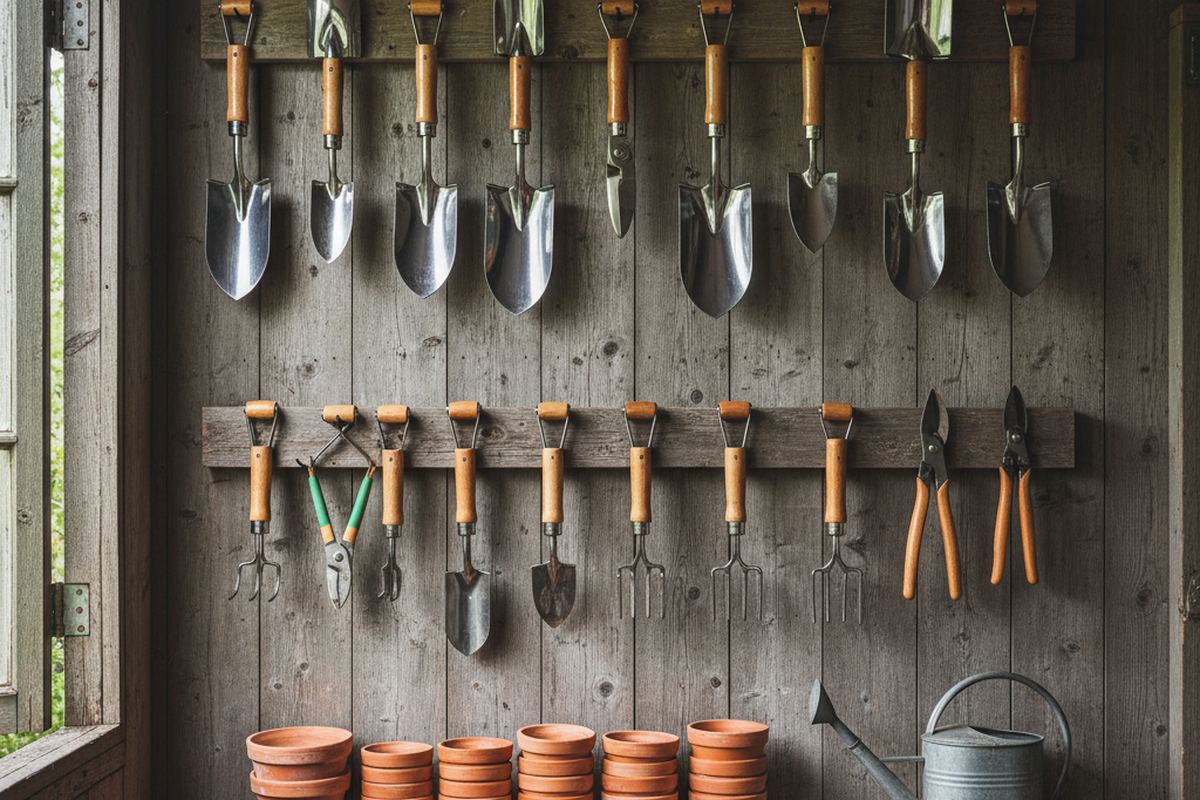
Starting a new garden or upgrading an existing one involves more than just selecting plants; it requires the right tools. The market is flooded with gadgets, making it challenging to discern what truly adds value to your gardening efforts. This guide cuts through the noise, focusing on essential tools that provide lasting utility and identifying common items that often prove to be unnecessary expenses. Investing wisely in your garden tools can save time, reduce frustration, and contribute to a more productive and enjoyable gardening experience.
Foundation Tools: Prioritize These Essentials
A sturdy, comfortable pair of bypass pruners is indispensable for nearly all gardening tasks, from deadheading flowers to trimming small branches. Look for models with ergonomic grips and high-carbon steel blades that can be sharpened. Expect to pay between $30 and $70 for a quality pair that will last for years. Similarly, a good quality trowel with a strong handle and a durable blade is crucial for planting, transplanting, and digging small holes. Stainless steel or forged steel options offer superior longevity over plastic or thin stamped metal.
A digging fork and a broadfork are vital for soil preparation, especially in new beds or compacted areas. A digging fork helps aerate and turn soil without completely inverting it, preserving soil structure. A broadfork, while a larger investment ($150-$300), is excellent for deep soil aeration and breaking up hardpan over larger areas, reducing reliance on power tillers. These tools promote healthy root development and improve drainage, directly impacting plant vigor and yield.
Smart Watering Solutions for Efficiency
Efficient watering is key to a thriving garden and conserving resources. A high-quality hose with durable fittings and a reliable spray nozzle is a fundamental starting point. Consider a hose made from hybrid polymer or rubber for flexibility and kink resistance, typically costing $50-$100 for a 50-foot length. Adjustable nozzles that offer various spray patterns allow for tailored watering, from a gentle mist for seedlings to a strong stream for established plants.
For larger gardens or busy schedules, drip irrigation systems or soaker hoses are excellent investments. These systems deliver water directly to the plant roots, minimizing evaporation and runoff. A basic drip irrigation kit for a small garden can range from $40-$80, while soaker hoses are often $20-$40 for a 50-foot section. Timers, either mechanical or smart, can automate watering schedules, ensuring consistent moisture levels without constant manual oversight.
Weeding Wisely: Tools to Save Your Back
Weeding is an ongoing task, and the right tools can make it far less burdensome. A comfortable kneeling pad or a garden stool is a simple yet effective way to protect your knees and back during extended weeding sessions. For more targeted weeding, a hand weeder with a sharp, pointed tip is invaluable for dislodging tap-rooted weeds. A Dutch hoe or a push-pull hoe allows you to slice weeds just below the soil surface while standing, covering more ground with less effort.
For larger areas or persistent weeds, a long-handled stirrup hoe or collinear hoe can be highly effective. These tools are designed to cut weeds just below the soil line with minimal disturbance to the surrounding soil. Focus on tools that complement your garden size and personal mobility. Investing in a tool that allows you to weed comfortably and efficiently will encourage more consistent maintenance, preventing weeds from overtaking your plants.
Plan a real garden — bed size, soil, mulch, and grocery-equivalent yield.
Open the Garden PlannerCultivation and Soil Amendment Aids
Maintaining healthy soil is the cornerstone of a successful garden. A sturdy garden rake is essential for leveling beds, spreading mulch, and clearing debris. Look for a bow rake with a strong head and a comfortable handle. For incorporating compost or other amendments into your soil, a digging spade with a sharp edge will serve you well. These basic tools facilitate proper soil structure and nutrient distribution, directly impacting plant health.
Compost tumblers or bins are excellent investments for gardeners looking to create their own nutrient-rich soil amendments. A good compost tumbler can range from $100-$300, offering a contained and efficient way to turn kitchen scraps and yard waste into valuable compost. This significantly reduces the need for purchasing bagged amendments and improves soil fertility over time, fostering a more sustainable gardening practice.
Gimmicks to Generally Avoid
Many specialized single-purpose tools often end up collecting dust in the shed. Examples include electric weed pullers or highly specific planting gadgets designed for one type of seed. While they might seem convenient, their utility is often limited, and a versatile hand trowel or digging fork can perform many of the same functions with greater adaptability. Resist the urge to buy tools that solve a problem you don't frequently encounter or that duplicate the function of existing basic tools.
Overly complex or underpowered battery-operated tools for tasks easily handled by hand are also common pitfalls. For instance, a small battery-powered tiller for a modest raised bed might be less effective and more prone to breakage than a quality digging fork. Similarly, expensive 'smart' watering sensors that require constant calibration or have poor connectivity can create more frustration than benefit. Prioritize reliability and simplicity over novelty when selecting tools.
Protecting Your Investment: Tool Care
Even the best tools won't last without proper care. After each use, clean soil and debris off your tools, especially pruners and hoes. A stiff brush and water are usually sufficient. For metal tools, drying them thoroughly prevents rust. Applying a light coat of oil (like linseed oil or mineral oil) to metal blades and wooden handles helps preserve them, particularly before storing them for the off-season. This simple habit extends the lifespan of your tools significantly.
Regular sharpening of cutting tools, such as pruners, hoes, and spades, ensures they remain effective and safe to use. Dull tools require more effort, increasing the risk of strain or injury. A basic sharpening stone or file is an inexpensive investment that pays dividends in tool performance. Storing tools in a dry, organized manner, such as on a pegboard or in a designated shed, protects them from the elements and makes them easy to find when needed.
The bottom line
Thoughtful selection and consistent care of your garden tools are investments that yield significant returns in garden health and personal enjoyment. By focusing on durable, versatile essentials and sidestepping unnecessary gadgets, you can equip yourself for success. A well-chosen toolkit empowers you to efficiently manage your garden, allowing more time to appreciate its beauty and bounty.
Get more guidance like this in your inbox
Weekly emergency-fund tactics, milestone checklists, and the next article — delivered free.
Run your own number
Get a personalized emergency fund target based on your income, expenses, and job stability.
Open the calculator