How Long Does Grass Seed Last? (Storage Life by Type)
Seed viability drops with heat and humidity — here's how to test old seed and how to store new seed.
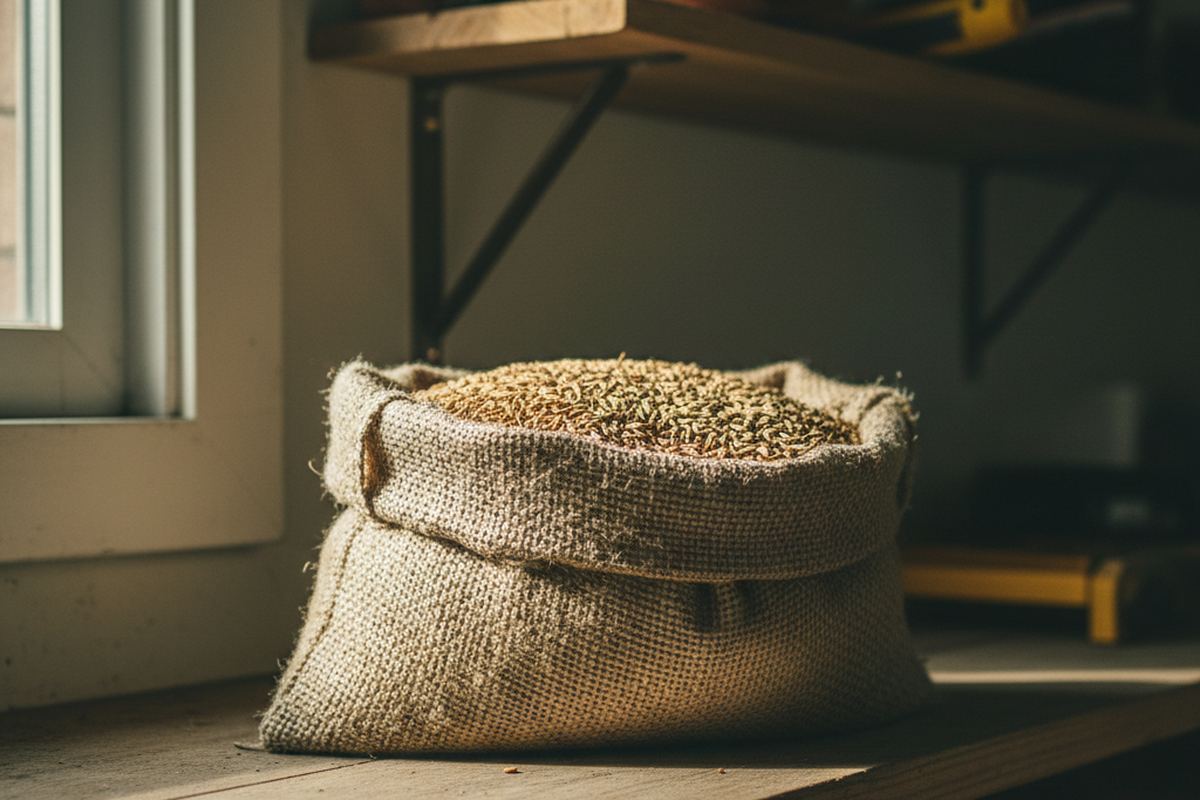
Understanding the shelf life of grass seed is crucial for successful lawn care. Whether you have an open bag from last season or are planning a large seeding project, knowing how long different types of grass seed remain viable can save you time and money. Proper storage plays a significant role in maintaining seed quality, directly impacting germination rates and the health of your future lawn. This guide will help you determine if your old seed is still good and how to best preserve new seed.
Understanding Seed Viability and Shelf Life
Grass seed, like any living organism, has a limited lifespan during which it can germinate and grow. This period, known as viability, is primarily influenced by the seed's biology and storage conditions. Generally, most grass seeds maintain good viability for 2 to 3 years when stored correctly. However, factors such as seed type, initial quality, and environmental exposure can significantly alter this timeframe, sometimes shortening it to just one year or extending it slightly beyond three.
The key to maximizing seed viability lies in minimizing metabolic activity within the seed. Seeds are dormant living organisms, and their internal processes slow down under ideal conditions. When exposed to adverse conditions, such as high temperatures or humidity, seeds expend their stored energy reserves more rapidly, leading to a quicker decline in their ability to germinate. This is why understanding optimal storage is as important as the initial quality of the seed itself.
Typical Storage Life by Grass Seed Type
Different species of grass seed exhibit varying levels of hardiness and, consequently, different storage lives. Cool-season grasses like Kentucky Bluegrass, Tall Fescue, and Perennial Ryegrass generally maintain good viability for 2 to 3 years under proper storage. These seeds are often bred for resilience in cooler climates, which can contribute to their moderate shelf life. Their robust nature allows them to endure dormancy for a reasonable period without significant degradation.
Warm-season grasses, such as Bermuda Grass, Zoysia Grass, and St. Augustine Grass, typically have a similar storage life, ranging from 2 to 3 years. While their growth habits differ from cool-season varieties, their seed storage requirements are largely comparable. The primary concern for both types remains the prevention of premature germination or decay due to environmental stressors, ensuring that the seed's genetic potential is preserved until planting.
The Impact of Heat and Humidity on Seed Quality
Heat and humidity are the two most detrimental factors to grass seed viability. High temperatures accelerate the metabolic processes within the seed, causing it to deplete its stored energy reserves faster. For every 10-degree Fahrenheit increase above optimal storage temperatures (around 40-50°F), the seed's lifespan can be cut in half. Storing seed in a hot garage or shed during summer can drastically reduce its germination potential within months.
Humidity introduces moisture, which can trigger premature germination or encourage fungal growth, both of which render the seed unusable. Even seemingly dry environments can have fluctuating humidity levels. Once a seed absorbs moisture, even if it doesn't fully germinate, its viability is compromised. The ideal storage environment should therefore be consistently cool and dry, protecting the seeds from these pervasive threats.
Get the exact pounds of seed you need for your lawn size, grass type, and overseeding vs new lawn.
Open the Lawn Seed CalculatorOptimal Storage Conditions for Longevity
To maximize the shelf life of your grass seed, store it in a cool, dark, and dry location. An ideal temperature range is between 40°F and 50°F, with humidity levels below 50%. A basement, a climate-controlled closet, or even a refrigerator (if properly sealed) can serve as suitable storage areas. Avoid places with significant temperature fluctuations, such as uninsulated garages or sheds, which can experience extreme heat and cold.
Once opened, transfer any unused seed to an airtight container to protect it from moisture and pests. A heavy-duty plastic bin with a sealing lid or a thick, resealable plastic bag works well. Adding a desiccant packet, like silica gel, can further help absorb any residual moisture within the container. Label the container with the seed type and the date of purchase or opening to keep track of its age.
- Store in a cool (40-50°F), dark, dry (below 50% humidity) place.
- Use airtight containers for opened bags.
- Consider adding a desiccant packet.
- Label with seed type and storage date.
Testing Old Seed for Germination Rates
If you have grass seed that is past its prime or has been stored under less-than-ideal conditions, a simple germination test can help you assess its viability. This test provides a realistic estimate of how much of your seed will actually sprout, allowing you to adjust your planting rates accordingly. You will need a paper towel, a resealable plastic bag, and a warm location.
To perform the test, moisten a paper towel and spread 10-20 grass seeds evenly across one half. Fold the other half over the seeds, then carefully place the folded paper towel into a plastic bag. Seal the bag and place it in a consistently warm spot (around 70-75°F), out of direct sunlight. Check daily for moisture and add a few drops of water if the paper towel starts to dry out. After 7-14 days, count the number of sprouted seeds. If 7 out of 10 seeds sprout, for example, you have a 70% germination rate. Use this percentage to calculate how much more seed you might need to achieve your desired density.
When to Discard or Use Old Seed
Deciding whether to use old grass seed depends largely on its germination rate. If your test reveals a germination rate below 50-60%, it's often more cost-effective and less frustrating to simply purchase new seed. While you could attempt to compensate by planting a significantly higher quantity of old, low-viability seed, the results will likely be patchy and inconsistent, requiring more effort and potentially re-seeding later.
For germination rates between 60-80%, you might consider using the old seed, but plan to increase your seeding rate by 25-50% compared to the recommendations for new seed. For example, if a new bag suggests 4 pounds per 1,000 square feet, you might use 5-6 pounds. If the germination rate is 80% or higher, the seed is still quite viable and can generally be used at or slightly above the recommended rates for new seed, assuming it has no signs of mold or pest damage.
The bottom line
By understanding the factors that affect grass seed viability and implementing proper storage techniques, you can ensure your investment yields a healthy, vibrant lawn. Regularly check your stored seed and conduct germination tests for older batches to make informed decisions. This proactive approach will help you achieve successful seeding outcomes and avoid wasted effort.
Get more guidance like this in your inbox
Weekly emergency-fund tactics, milestone checklists, and the next article — delivered free.
Run your own number
Get a personalized emergency fund target based on your income, expenses, and job stability.
Open the calculator