Gravel Driveways: Cost, Upkeep, and When They Make Sense
The 2026 cost to install and maintain a gravel driveway plus the pitfalls.
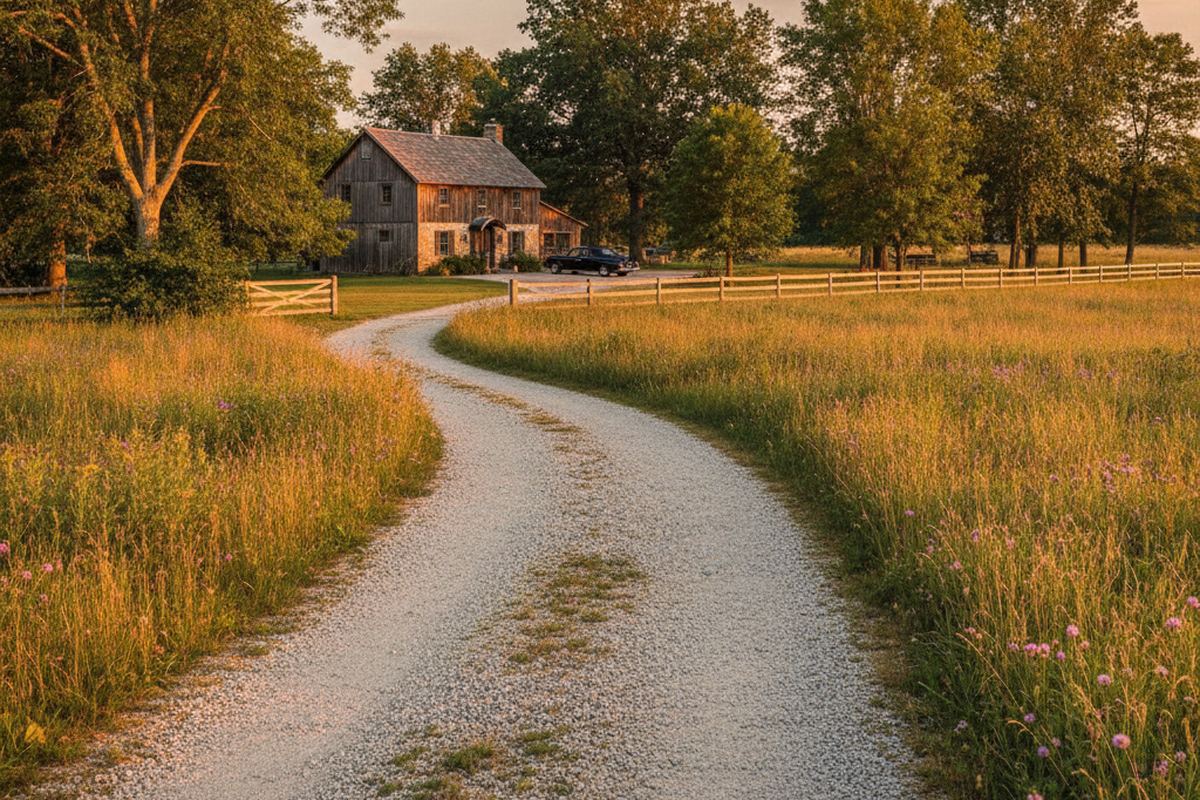
Gravel driveways offer a classic aesthetic and can be a cost-effective solution for many homeowners. However, understanding their true cost involves more than just the initial installation. Factors like maintenance, longevity, and suitability for your specific climate and usage patterns play a significant role. This guide will break down the expenses and practical considerations for gravel driveways in 2026, helping you decide if this option aligns with your home improvement goals.
Understanding the Initial Investment
The upfront cost of a gravel driveway can vary significantly based on location, driveway length, desired gravel type, and existing site conditions. For a typical installation, homeowners can expect to pay between $1.50 and $5.00 per square foot in 2026. This range generally includes site preparation, material delivery, and professional installation. For a standard 500-square-foot driveway, this translates to an initial cost of $750 to $2,500.
Factors that influence this initial price include the need for extensive grading or drainage solutions, the distance gravel needs to be transported, and the specific aggregate chosen. Crushed limestone, for instance, might be on the lower end, while decorative pea gravel or crushed granite could push costs higher. Obtaining multiple quotes from local contractors is crucial to understand the prevailing rates in your area and ensure all necessary work is accounted for.
Gravel Material Types and Their Price Points
The type of gravel you select impacts both the aesthetics and the durability of your driveway, as well as the cost. Common options include crushed stone, often limestone or granite, which offers good compaction and stability. Pea gravel provides a softer, more decorative look but can be prone to shifting. Recycled asphalt or concrete aggregates are also available and can offer a more budget-friendly and environmentally conscious choice.
In 2026, crushed limestone typically costs around $15 to $35 per ton, while pea gravel might range from $25 to $50 per ton. More specialized options like crushed granite or bluestone can reach $40 to $70 per ton. For a 500-square-foot driveway at an average depth of 4 inches, you might need approximately 15 to 20 tons of gravel, making material selection a significant cost driver.
- Crushed Limestone: $15 - $35 per ton
- Pea Gravel: $25 - $50 per ton
- Crushed Granite/Bluestone: $40 - $70 per ton
- Recycled Asphalt/Concrete: $10 - $25 per ton
Ongoing Maintenance and Upkeep Expenses
While initial costs are lower, gravel driveways require consistent maintenance. Over time, gravel can shift, displace, and even erode, leading to ruts and potholes. Regular raking, grading, and replenishment of gravel are necessary to maintain a smooth, functional surface. Homeowners often need to add a fresh layer of gravel every 1 to 3 years, costing anywhere from $100 to $500 per application, depending on the area and material.
Weed growth is another common issue, requiring periodic removal or treatment. Snow removal can also be more challenging compared to paved surfaces, as plows can easily displace gravel. Investing in a quality weed barrier during installation can mitigate some of these issues, potentially adding $0.50 to $1.50 per square foot to the initial cost but saving on long-term weeding efforts.
Estimate driveway cost by material, size, and demo needs — before the contractor visit.
Open the Driveway Cost EstimatorDrainage Considerations and Their Impact
Proper drainage is critical for the longevity and performance of a gravel driveway. Without adequate drainage, water can collect, leading to erosion, soft spots, and a messy surface. This often requires careful grading of the driveway to ensure water flows away from the home and the driveway itself. Installing French drains or catch basins may be necessary in areas with heavy rainfall or poor natural drainage, adding to the overall project cost.
The expense for drainage solutions can range widely, from a few hundred dollars for simple grading adjustments to several thousand for extensive trenching and pipe installation. Neglecting drainage can result in more frequent and costly repairs down the line, making it a vital consideration during the planning phase. A well-drained gravel driveway will require less frequent replenishment and maintain its integrity for longer.
When a Gravel Driveway Makes Financial Sense
Gravel driveways are often an excellent choice for longer driveways where the cost of paving materials like asphalt or concrete would be prohibitive. They are also well-suited for properties with a rustic or natural aesthetic, complementing the landscape rather than dominating it. For homeowners who are comfortable with routine maintenance and prefer a lower initial investment, gravel can be a very practical option.
Additionally, gravel offers superior permeability compared to paved surfaces, allowing rainwater to seep into the ground naturally. This can be an advantage in areas with strict impervious surface regulations or for homeowners seeking more environmentally friendly solutions. Its flexibility also means minor shifts in the ground are less likely to cause cracking, a common issue with rigid paved driveways.
Potential Drawbacks and Hidden Costs
Despite their advantages, gravel driveways come with several potential drawbacks. The constant shifting of stones can make walking or cycling on them uncomfortable, and small stones can be tracked into your home or damage lawnmower blades. In snowy climates, plowing can be difficult without displacing significant amounts of gravel, often requiring specialized equipment or more careful execution.
Another hidden cost can arise from poor installation. If the base isn't properly prepared or the gravel isn't compacted correctly, you'll face accelerated erosion, more frequent ruts, and a perpetual need for repair. While a DIY installation might save on labor, the expertise of a professional in site preparation and grading can significantly extend the life and reduce the long-term maintenance burden of your gravel driveway.
Comparing Gravel to Paved Alternatives
When evaluating driveway options, it's helpful to compare gravel against paved alternatives like asphalt or concrete. Asphalt driveways typically cost between $3.00 and $7.00 per square foot for installation in 2026, offering a smoother surface and less maintenance, though they require sealing every few years. Concrete driveways are the most durable, costing $5.00 to $12.00 per square foot, with very low maintenance but higher initial investment and susceptibility to cracking.
The decision often boils down to budget, aesthetic preference, and tolerance for maintenance. A gravel driveway, while requiring more hands-on upkeep, provides the lowest initial cost and a natural look. Paved options offer convenience and durability but come with a higher price tag. Consider your long-term plans for the property and your willingness to engage in routine maintenance when making your choice.
The bottom line
Choosing the right driveway material involves weighing initial costs against long-term maintenance and aesthetic preferences. Gravel driveways offer an economical entry point and a charming appearance, especially for longer stretches. By understanding the full scope of costs, including materials, installation, and ongoing upkeep, you can make an informed decision that suits your budget and lifestyle.
Get more guidance like this in your inbox
Weekly emergency-fund tactics, milestone checklists, and the next article — delivered free.
Run your own number
Get a personalized emergency fund target based on your income, expenses, and job stability.
Open the calculator