Green Roofing Materials: Metal, Composite, and Solar Shingle Costs
Sustainable roof options, real recycled content, energy savings, and long-term ROI.
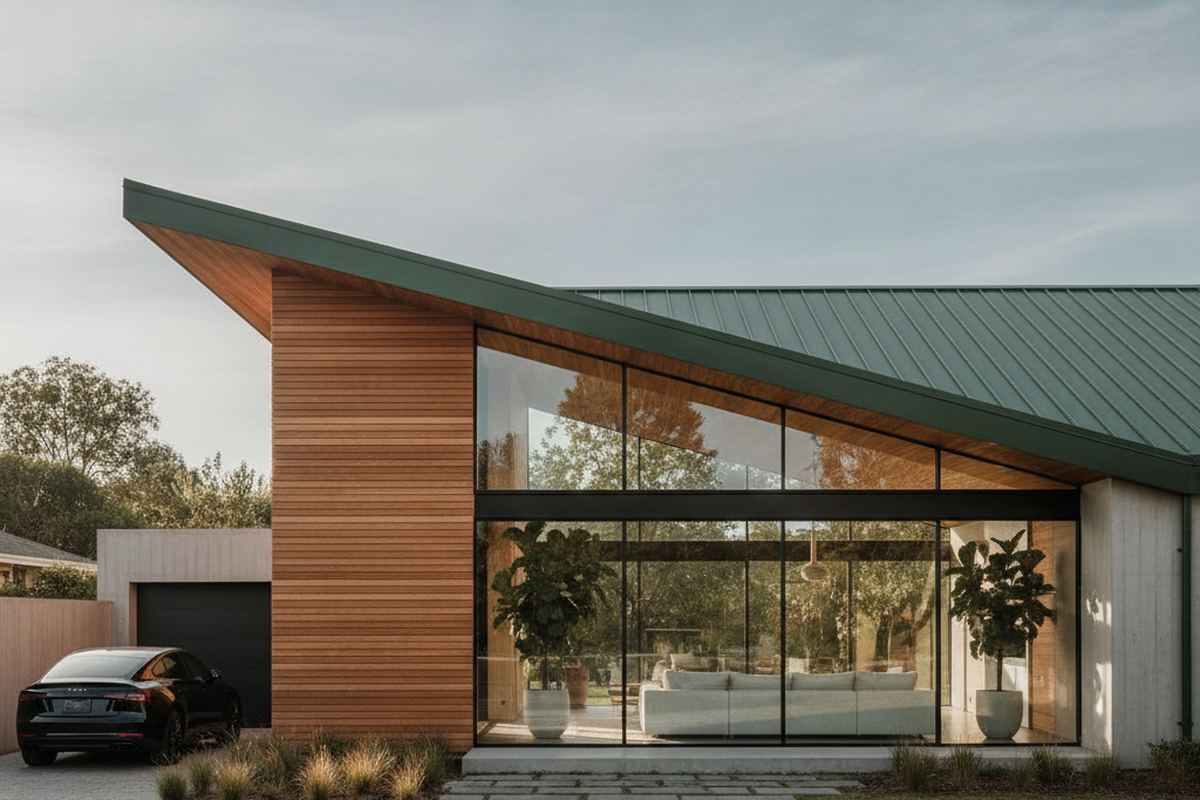
Choosing a new roof involves more than just aesthetics; for many homeowners, sustainability and long-term value are key considerations. Green roofing materials offer an opportunity to reduce environmental impact, potentially lower energy bills, and enhance your home's resilience. This guide explores the costs and benefits of popular eco-friendly options, helping you make an informed decision for your 2026 roof replacement project. Understanding these choices can lead to a more sustainable and economically sound investment for your property.
Understanding Green Roofing Materials: Beyond the Basics
Green roofing materials encompass a range of products designed to minimize environmental impact throughout their lifecycle, from manufacturing to disposal. This often includes using recycled content, improving energy efficiency, or offering exceptional durability that reduces replacement frequency. While traditional asphalt shingles remain common, options like metal, composite, and solar shingles provide significant advantages in terms of sustainability and performance.
When evaluating these materials, consider factors such as their embodied energy (energy consumed during production), recyclability, and contribution to your home's energy performance. Materials that reflect sunlight or provide superior insulation can lead to tangible savings on heating and cooling costs over the roof's lifespan, directly impacting your household budget. The initial investment might be higher, but the long-term returns can be substantial.
Metal Roofing: Durability and Energy Efficiency
Metal roofs, often made from steel, aluminum, or copper, are celebrated for their exceptional longevity, frequently lasting 40-70 years. Many metal roofing products contain a significant percentage of recycled content and are fully recyclable at the end of their life. Their reflective surfaces can reduce heat absorption, potentially lowering cooling costs by 10-25% in warmer climates, contributing to substantial energy savings over decades.
The cost for a metal roof installation in 2026 can range from $10 to $25 per square foot, depending on the material type (e.g., standing seam vs. corrugated), gauge, and complexity of the roofline. While this is generally higher than asphalt, the extended lifespan and energy benefits often translate into a lower total cost of ownership. Maintenance is also minimal, typically involving occasional cleaning and inspections.
Composite Shingles: Aesthetic Appeal with Eco-Benefits
Composite shingles, sometimes referred to as synthetic or polymer shingles, are engineered from a blend of recycled materials, such as rubber and plastic, along with other durable components. These shingles are designed to mimic the appearance of slate, wood shake, or tile, offering aesthetic versatility without the environmental impact or maintenance demands of natural materials. They are resistant to cracking, splitting, and rotting, often carrying warranties of 50 years or more.
The installation cost for composite shingles in 2026 typically falls between $8 and $18 per square foot. Their recycled content diverts waste from landfills, and their durability reduces the frequency of roof replacements. Some composite options also offer enhanced insulation properties, contributing to better energy performance for your home, though less dramatically than reflective metal roofs.
Estimate roof replacement cost by square footage, pitch, and material — get a realistic 2026 number in under a minute.
Open the Roof Replacement CalculatorSolar Shingles: Generating Power from Your Roof
Solar shingles integrate photovoltaic technology directly into individual roofing shingles, allowing your roof to generate electricity for your home. This innovative option serves a dual purpose: protecting your home from the elements and significantly reducing or even eliminating your electricity bill. They offer a more discreet aesthetic than traditional mounted solar panels, blending seamlessly with the roof's design.
The cost of solar shingles is notably higher, ranging from $20 to $40 per square foot, including installation and inverter systems. However, homeowners can often offset a significant portion of this investment through federal tax credits, local incentives, and the long-term savings on electricity. For example, the federal solar tax credit can cover 30% of the cost for systems installed through 2032, making the initial outlay more manageable.
Long-Term Value: ROI and Environmental Impact
Investing in green roofing materials often provides a strong return on investment (ROI) through energy savings, extended durability, and potential increases in property value. Homes with energy-efficient features, including advanced roofing, are increasingly attractive to buyers. While the upfront cost may be higher, the cumulative savings on energy bills and reduced maintenance can quickly recoup the initial premium.
Beyond financial benefits, choosing green materials contributes positively to environmental stewardship. Reducing landfill waste, lowering carbon emissions through energy efficiency, and utilizing recycled resources are tangible benefits that align with broader sustainability goals. Your roof replacement project can be a meaningful step toward a more eco-conscious lifestyle and a more resilient home.
Navigating Incentives and Financing for Green Roofs
Various incentives exist to encourage homeowners to adopt sustainable building practices. In addition to the federal solar tax credit, many states and local municipalities offer rebates, grants, or property tax exemptions for energy-efficient home improvements, including specific green roofing installations. Researching these opportunities can significantly reduce the net cost of your project.
Financing options for roof replacement, including loans specifically for energy-efficient upgrades, are also available. Programs like PACE (Property Assessed Clean Energy) loans, where available, allow homeowners to finance improvements through their property taxes. Exploring these financial avenues can make a green roof more accessible and affordable for your 2026 home improvement plans.
The bottom line
Selecting a green roofing material for your 2026 project is a decision that impacts your home's performance, your budget, and the environment. By weighing the long-term benefits of durability, energy efficiency, and sustainability against the initial investment, you can choose a roof that aligns with your values. Consider exploring the specific costs for your home's size and location to gain a clearer picture of your options.
Get more guidance like this in your inbox
Weekly emergency-fund tactics, milestone checklists, and the next article — delivered free.
Run your own number
Get a personalized emergency fund target based on your income, expenses, and job stability.
Open the calculator