How Much Money Can a Garden Really Save on Groceries?
The honest grocery savings math for a home vegetable garden.
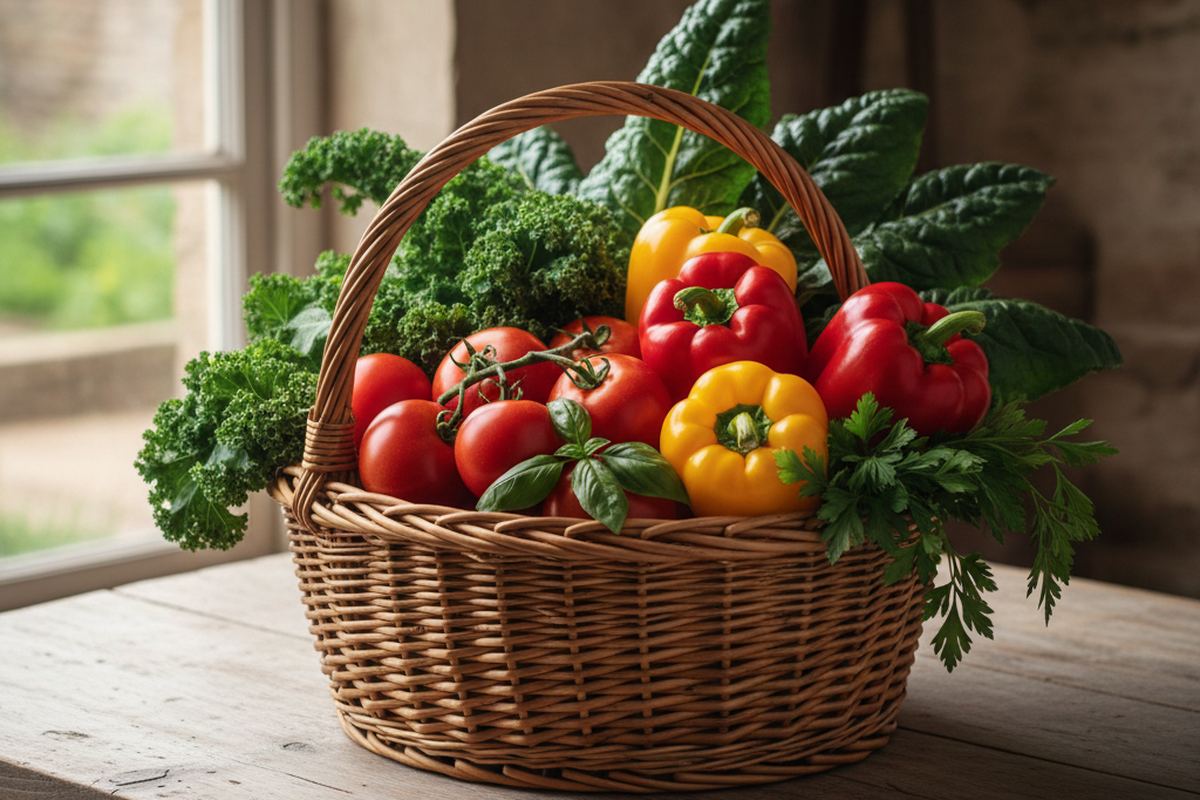
Many homeowners consider starting a vegetable garden with the hope of reducing their grocery bills. While growing your own food can offer fresh produce and a rewarding hobby, the financial savings aren't always straightforward. Understanding the true economic impact requires looking beyond just the harvest value and considering the initial investment and ongoing costs. This article breaks down the realistic financial benefits of a home garden, helping you set informed expectations for your grocery budget.
Initial Setup Costs: More Than Just Seeds
Starting a garden involves more than just buying a packet of seeds. You'll need to account for expenses like soil amendments, raised beds or containers, gardening tools (trowel, shovel, hose), and potentially fencing to protect your plants from pests. For a modest 100-square-foot garden, initial costs could range from $150 to $500, depending on the materials chosen. Opting for durable, long-lasting tools and infrastructure can increase upfront spending but reduce replacement costs over time.
Consider the cost of lumber for raised beds, which can add significantly to the initial outlay. For example, a 4x8 foot raised bed might cost $50-$150 for untreated lumber, plus soil to fill it. If you're starting multiple beds or a larger in-ground plot, these costs multiply. While some items like hand tools are one-time purchases, others, such as soil enrichment and pest control, will be recurring expenses in subsequent seasons.
Recurring Expenses: The Ongoing Investment
Beyond the initial setup, a garden requires continuous investment. Seeds or starter plants need to be purchased each season, typically costing $30 to $100 for a small to medium-sized garden. Fertilizers, compost, and other soil amendments are also necessary to maintain soil health and plant productivity, adding another $20 to $70 annually. These regular inputs are crucial for maximizing your yield and ensuring healthy crops.
Water is another significant recurring cost, especially in drier climates. While it's difficult to give a precise figure, a productive vegetable garden can increase your water bill by $10 to $50 per month during peak growing season, depending on your local water rates and irrigation methods. Pest and disease control, whether organic or conventional, can also add to the annual budget, although preventative measures can help minimize these expenditures.
Calculating the Value of Your Harvest
To assess savings, you need to estimate the retail value of the produce you grow. A well-maintained 100-square-foot garden can yield anywhere from $300 to $700 worth of produce in a growing season, assuming a diverse crop selection and good growing conditions. High-value crops like tomatoes, peppers, and leafy greens often offer the best return on investment compared to lower-cost items like potatoes or squash.
Consider an example: if you grow 20 pounds of tomatoes that would cost $3.00/pound at the grocery store, that's $60 in savings. If you also harvest 15 pounds of zucchini ($2.00/pound), that's another $30. Tracking your harvest by weight and comparing it to current grocery prices provides the most accurate picture of your garden's financial contribution. This valuation doesn't account for the superior freshness and taste of home-grown produce, which many gardeners consider an invaluable benefit.
Plan a real garden — bed size, soil, mulch, and grocery-equivalent yield.
Open the Garden PlannerTime Investment: A Hidden Cost
Gardening is a time-intensive hobby. From planning and planting to watering, weeding, pest management, and harvesting, a typical small garden can demand 3 to 7 hours of work per week during the peak season. If you assign an hourly value to your time, the 'cost' of your produce can increase significantly. For instance, if you spend 5 hours a week for 20 weeks and value your time at $20/hour, that's $2,000 in 'labor' for the season.
While most gardeners don't monetarily account for their time, it's an important factor when comparing gardening to simply buying groceries. The enjoyment and therapeutic benefits of gardening are often seen as their own reward, but for purely financial calculations, the time commitment should be acknowledged. Efficient garden design and automated systems can help reduce the time burden, but some level of hands-on work is always required.
Realistic Savings Expectations
For a first-time gardener, it's realistic to expect a net saving of $50 to $200 in the first year, after accounting for initial setup and recurring costs. Experienced gardeners with established plots and efficient practices might achieve annual savings of $200 to $500 or more. The most significant savings often come from growing crops that are expensive to buy fresh, such as organic herbs, specialty greens, or heirloom tomatoes.
It's important to differentiate between the retail value of your harvest and your actual net savings. Your net saving is the gross value of your produce minus all your expenses (seeds, soil, water, tools). Many gardeners find that the primary financial benefit isn't a massive reduction in their grocery bill, but rather access to higher quality, fresher produce than they might otherwise purchase, along with the satisfaction of self-sufficiency.
Optimizing Your Garden for Financial Return
To maximize your grocery savings, focus on high-yield, high-value crops that you consume regularly. Prioritize items that are expensive at the store or have a short shelf life, encouraging you to eat them fresh. Examples include lettuce, spinach, bell peppers, green beans, and cherry tomatoes. Consider succession planting to ensure a continuous harvest throughout the growing season, preventing gluts and ensuring steady produce availability.
Implementing efficient watering systems, such as drip irrigation, can significantly reduce water costs. Composting kitchen scraps and yard waste can reduce the need for purchased soil amendments, while companion planting can help deter pests naturally. By planning carefully and adopting sustainable practices, you can improve your garden's productivity and reduce its operational costs, enhancing your overall financial return.
- Grow high-value crops like organic herbs, specialty greens, and heirloom tomatoes.
- Utilize succession planting for continuous harvests.
- Implement drip irrigation for water efficiency.
- Compost kitchen scraps to enrich soil for free.
- Practice companion planting for natural pest control.
The bottom line
While a home garden may not eliminate your grocery bill, it can certainly contribute to fresh, high-quality produce and offer some financial relief. Realistic expectations, coupled with smart planning and efficient practices, are key to maximizing your garden's economic benefits. Consider what you truly value in your food and balance that with the investment of time and resources.
Get more guidance like this in your inbox
Weekly emergency-fund tactics, milestone checklists, and the next article — delivered free.
Run your own number
Get a personalized emergency fund target based on your income, expenses, and job stability.
Open the calculator