Gutter Maintenance Guide: Cleaning, Guards, and Fascia
Why gutter maintenance is the #1 protector against expensive water damage.
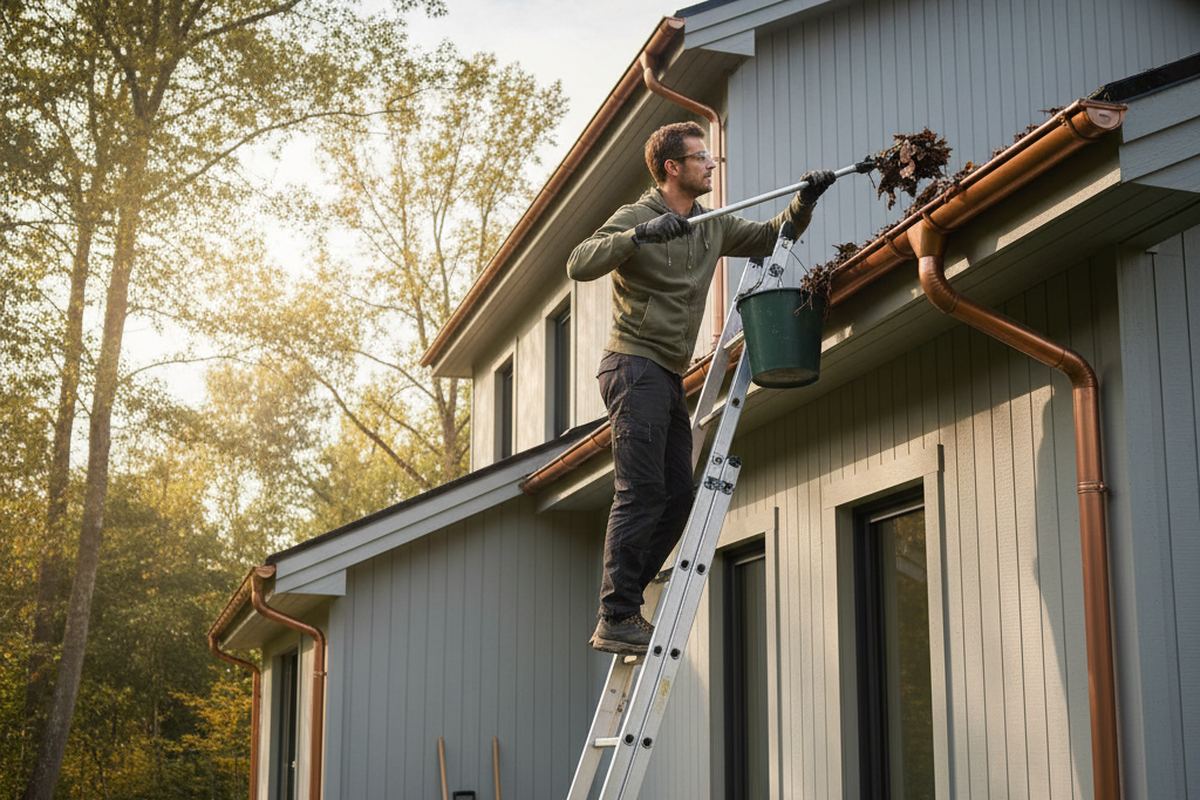
Effective gutter maintenance is a critical, yet often overlooked, aspect of home ownership. Properly functioning gutters protect your home's foundation, landscaping, and exterior from significant water damage. Neglecting them can lead to costly repairs down the line, far exceeding the time and expense of routine cleaning and upkeep. Understanding the best practices for gutter care ensures your home remains safe and sound, preventing common issues before they escalate.
Understanding the Importance of Gutter Health
Gutters serve as your home's primary defense against water intrusion and erosion. They channel rainwater away from the roof, directing it safely to the ground and away from the foundation. When gutters are clogged or damaged, water can overflow, leading to saturated soil around the foundation, which may cause structural cracks over time. This also creates conditions ripe for basement flooding, an expensive and disruptive event.
Beyond structural integrity, well-maintained gutters safeguard your home's exterior finishes. Overflowing water can stain siding, rot fascia boards, and damage landscaping directly below the drip line. The cumulative effect of these issues can significantly diminish your home's curb appeal and overall value. Proactive maintenance is a small investment that yields substantial protection against these common and costly problems.
Routine Cleaning: Your First Line of Defense
Regular gutter cleaning is the most fundamental maintenance task. For most homes, cleaning gutters twice a year – once in late spring after tree pollen and seeds fall, and again in late fall after leaves have dropped – is sufficient. Homes surrounded by many trees may require more frequent cleaning, perhaps three to four times annually. The goal is to remove all debris, ensuring a clear path for water flow.
When cleaning, use a sturdy ladder and wear heavy-duty gloves. Remove large debris by hand, then use a garden hose to flush out smaller particles and check for proper drainage. Ensure downspouts are clear by observing water flow; if water backs up, a downspout clog needs to be addressed. This can often be dislodged with a high-pressure hose or a plumber's snake.
Considering Gutter Guards for Reduced Maintenance
Gutter guards, also known as gutter covers, are designed to prevent leaves and debris from entering the gutter trough while allowing water to flow through. While no system is entirely maintenance-free, guards can significantly reduce the frequency of manual cleaning. Various types exist, including mesh screens, reverse curve systems, and fine micro-mesh filters, each with different effectiveness and price points.
The cost of installing gutter guards can range from approximately $5 to $20 per linear foot, depending on the material and complexity of installation. For a typical 2,000 square foot home with 200 linear feet of gutters, this could be an initial investment of $1,000 to $4,000. While this is a notable upfront cost, it can save homeowners time and potentially reduce risks associated with ladder work over many years.
- Mesh screens: Affordable, good for larger debris.
- Reverse curve: Effective for leaves, can clog with small debris.
- Micro-mesh: Best for small debris like pine needles, higher cost.
See what to set aside every month for home maintenance — with the 1% and $1/sq ft rules and age adjustments.
Open the Home Maintenance Budget CalculatorInspecting and Repairing Fascia and Soffits
The fascia board is the long, straight board that runs along the lower edge of the roof, directly behind the gutters. Soffits are the undersides of the eaves, connecting the house wall to the fascia. Both play crucial roles in protecting your roof structure and attic from weather and pests. Water damage to these components often indicates a problem with your gutters or roof flashing.
Regularly inspect fascia and soffits for signs of rot, peeling paint, or pest infestation. Water stains or soft spots are clear indicators of moisture issues. Repairing damaged sections promptly is essential to prevent further deterioration which could compromise your roof's integrity. If the damage is extensive, it may require professional repair or replacement, which can range from $500 to $2,000 or more depending on the extent.
Addressing Common Gutter Problems Proactively
Beyond clogs, several other issues can affect gutter performance. Sagging gutters, often caused by loose hangers or excessive debris weight, prevent proper drainage and can pull away from the fascia. Leaky seams, especially at corners or where sections join, allow water to drip down the side of your home. These problems can often be fixed by tightening hangers, reinforcing supports, or sealing small cracks with gutter sealant.
Downspout issues are also common. Ensure downspouts extend at least 5-10 feet away from your foundation to effectively divert water. If they discharge too close, consider adding extensions. For homes in cold climates, ice dams can form in gutters, leading to significant roof damage. Proper attic insulation and ventilation can help mitigate this, alongside ensuring gutters are clear before winter.
Budgeting for Gutter Maintenance and Repairs
Factoring gutter maintenance into your annual home budget is a smart financial move. While routine cleaning might be a DIY task, professional cleaning can cost between $150 and $300 per visit for a typical home. Minor repairs, such as resealing a seam or reattaching a downspout, might cost $100-$400. However, major repairs, like replacing a section of gutter or significant fascia repair, can easily run into the hundreds or thousands.
For example, replacing 50 feet of damaged gutter could cost $300 to $1,000, while extensive fascia and soffit replacement could be $1,000 to $3,000 or more. Setting aside a contingency fund, perhaps $300-$600 annually, specifically for home exterior maintenance, can help absorb these costs without financial strain. This proactive approach ensures funds are available when needed, preventing small issues from becoming large, expensive emergencies.
Planning for Future Gutter System Upgrades
Over time, even a well-maintained gutter system may need significant upgrades or replacement. Gutters typically last 20-30 years, depending on the material and climate. When planning for a full replacement, consider upgrading to larger gutters (e.g., 6-inch instead of 5-inch) if your home experiences heavy rainfall, or exploring more durable materials like seamless aluminum or copper for longevity.
The cost of a full gutter system replacement for an average home can range from $1,500 to $4,000 for aluminum, or significantly more for copper. This is a substantial investment, so it is wise to start planning and saving several years in advance. Regular inspections by a qualified professional every few years can help you anticipate when a full replacement might be necessary, allowing ample time to budget accordingly.
The bottom line
Prioritizing gutter maintenance is an investment in your home's long-term health and your financial well-being. By understanding the critical role gutters play and committing to routine care, you can prevent expensive water damage and preserve your property's value. Proactive planning and budgeting for both routine tasks and potential repairs will ensure your home remains protected for years to come.
Get more guidance like this in your inbox
Weekly emergency-fund tactics, milestone checklists, and the next article — delivered free.
Run your own number
Get a personalized emergency fund target based on your income, expenses, and job stability.
Open the calculator