Hardscape vs Softscape: How to Split the Budget
The typical 60/40 hardscape-softscape split and when to flex it.
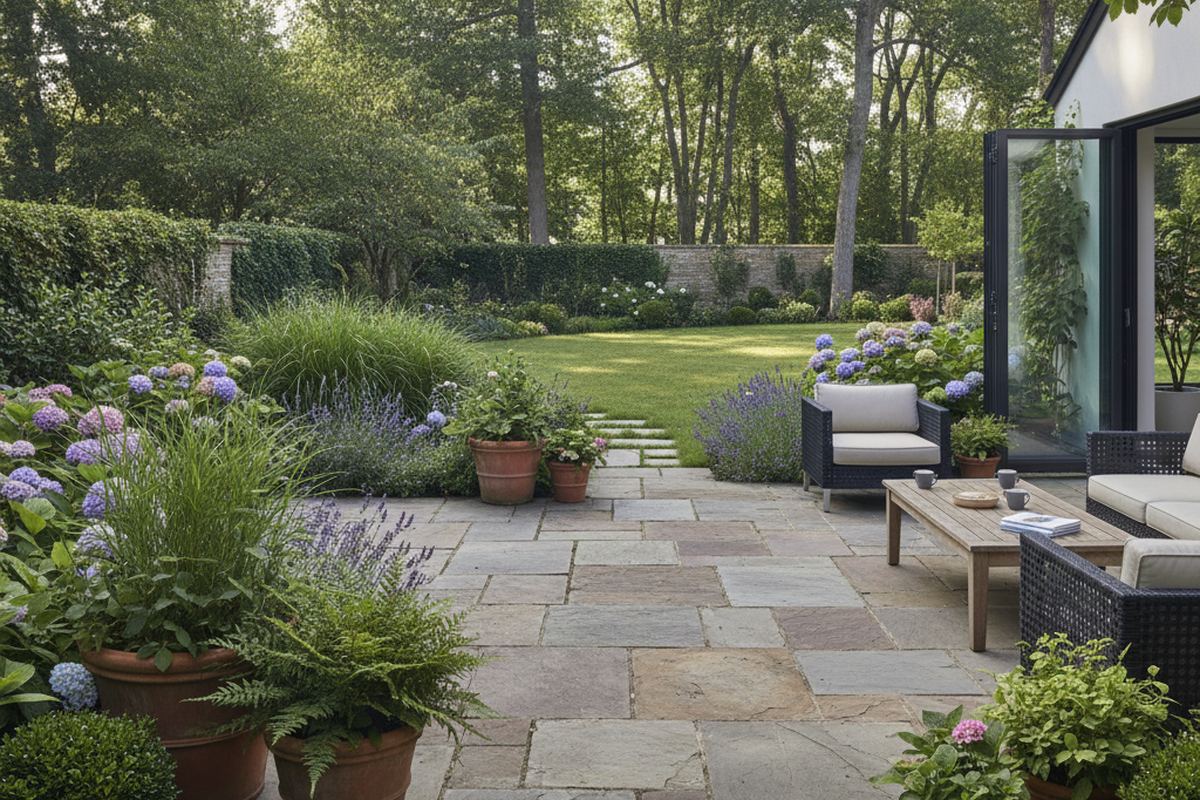
Planning a significant landscaping project involves many decisions, not least of which is how to allocate your budget effectively. A common guideline suggests a 60/40 split between hardscape and softscape elements. This allocation, however, is not a rigid rule. Understanding what each category entails and how different factors can influence this ratio is crucial for creating a functional and aesthetically pleasing outdoor space without overspending. Let's explore how to approach this division thoughtfully for your home.
Defining Hardscape and Softscape Elements
Hardscape refers to the non-living, structural components of your landscape. These are the fixed, permanent features that form the backbone of your outdoor design. Examples include patios, walkways, retaining walls, pergolas, fire pits, and outdoor kitchens. These elements often involve significant construction and material costs due to their durability and foundational role in the overall design.
Softscape, in contrast, encompasses the living, horticultural elements of your landscape. This category includes trees, shrubs, flowers, ground cover, lawns, and even soil amendments. Softscape brings color, texture, and life to your outdoor space, creating a natural feel and contributing to the ecosystem. While individual softscape items may seem less expensive than hardscape, the cumulative cost, especially for mature plantings or extensive garden beds, can be substantial.
The 60/40 Rule: A Starting Point
The general guideline of allocating approximately 60% of your budget to hardscape and 40% to softscape serves as a useful initial framework. Hardscape elements typically command a larger portion of the budget because they involve more intensive labor, specialized materials like stone or concrete, and require professional installation for longevity and safety. These features also often dictate the layout and flow of your outdoor living areas.
This 60/40 split accounts for the inherent differences in cost and permanence. For example, a new patio might cost between $3,500 and $15,000, depending on size and materials, while a mature tree could range from $150 to over $1,500 installed. The ratio ensures that foundational elements are adequately funded, providing a solid base upon which to build your living landscape. However, this is a flexible guide, not a strict mandate.
When to Adjust the Hardscape-Heavy Ratio
Certain project goals and site conditions may warrant a deviation from the 60/40 hardscape-softscape split. If your primary objective is to create extensive garden beds, a lush lawn, or a naturalized habitat, you might find yourself allocating a larger percentage, perhaps 50-60%, to softscape. This could be the case if you already have existing hardscape that meets your needs, or if your property naturally lends itself to more plantings.
Conversely, if your vision centers around elaborate outdoor entertaining areas, such as a large multi-level patio with an integrated outdoor kitchen and fireplace, your hardscape budget could easily climb to 70% or more. Properties with significant grading challenges, requiring extensive retaining walls or terracing, will also naturally skew towards a higher hardscape proportion to address structural needs before aesthetic plantings.
Build a phased landscaping budget — hardscape, softscape, irrigation — that fits your yard.
Open the Landscaping Budget PlannerFactors Influencing Your Budget Distribution
Several key factors will shape how you ultimately divide your landscaping budget. The size of your property and the scale of the project are primary considerations; larger areas often require more of both hardscape and softscape. Your local climate also plays a role, as certain regions may demand more durable hardscaping to withstand extreme weather, or specific drought-tolerant softscape that can be more costly initially.
Desired functionality is another critical determinant. If you plan to host large gatherings, extensive patio space and an outdoor kitchen will be priorities, driving up hardscape costs. If privacy and shade are paramount, mature trees and strategic plantings will necessitate a greater softscape investment. Always consider the long-term maintenance implications of your choices, as both hardscape and softscape require ongoing care, which impacts your overall financial commitment.
- Property size and project scope
- Local climate and environmental considerations
- Desired functionality (e.g., entertaining vs. gardening)
- Material choices for both hardscape and softscape
- Labor costs in your specific region
Prioritizing Phased Projects
For homeowners undertaking multi-phase landscaping projects, strategic budgeting is even more important. It's often advisable to complete essential hardscape elements in earlier phases. These foundational structures, such as patios, pathways, and drainage systems, are difficult and costly to add or alter once softscape is established. Focusing on these first ensures a stable and functional base for future plantings.
Once the hardscape framework is in place, you can gradually introduce softscape elements in subsequent phases. This approach allows you to spread the cost over time, making a large project more financially manageable. You might start with main trees and shrubs, then add perennials and annuals in later phases, allowing for adjustments as your vision evolves and your budget allows.
Maximizing Value for Your Investment
To ensure your landscaping budget yields the best possible return, carefully consider material choices. For hardscape, opting for durable, locally sourced materials can reduce costs and enhance longevity. For softscape, selecting native plants or those well-suited to your climate can minimize water usage and maintenance, saving money in the long run. Professional design can also optimize your budget by preventing costly mistakes and ensuring a cohesive plan.
Remember that landscaping is an investment in your home's value and your quality of life. A well-planned and executed landscape can enhance curb appeal, create usable outdoor living spaces, and even improve energy efficiency. By thoughtfully balancing hardscape and softscape, you can create an outdoor environment that meets your needs and provides lasting enjoyment.
The bottom line
Allocating your landscaping budget between hardscape and softscape is a critical step in any outdoor project. While the 60/40 rule offers a solid starting point, personalize it based on your specific goals, site conditions, and priorities. By understanding the elements involved and planning strategically, you can achieve a beautiful and functional outdoor space that enhances your home for years to come.
Get more guidance like this in your inbox
Weekly emergency-fund tactics, milestone checklists, and the next article — delivered free.
Run your own number
Get a personalized emergency fund target based on your income, expenses, and job stability.
Open the calculator