Home Maintenance Budget by Age of Home (New, 10, 20, 30+)
How the maintenance budget scales with home age — new construction to 30+ year homes.
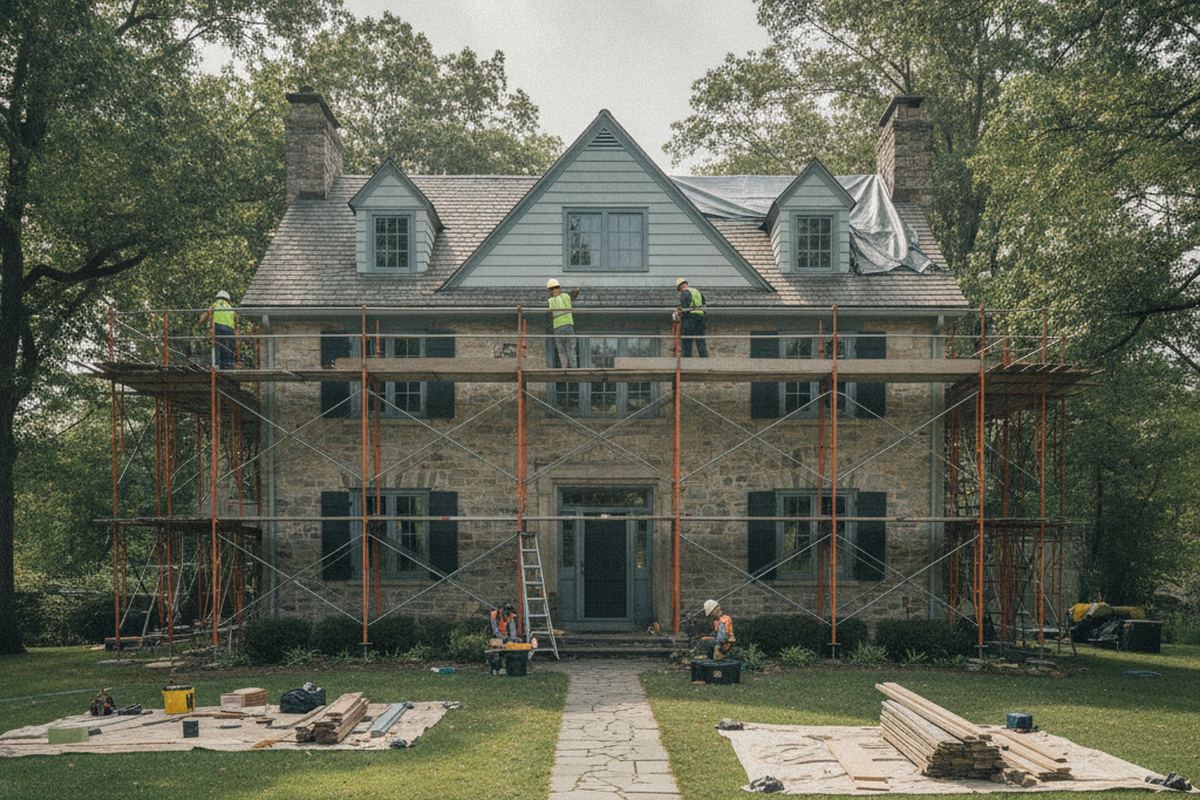
Understanding how much to set aside for home maintenance is a critical aspect of responsible homeownership. Many factors influence this cost, but one of the most significant is the age of your home. As a property matures, its needs evolve, transitioning from minor adjustments in new builds to more substantial repairs and replacements in older structures. Budgeting appropriately for these changes can prevent financial surprises and help maintain your home's value over time.
New Construction (0-5 Years Old): Initial Adjustments and Minor Fixes
New homes, while generally requiring less immediate maintenance, are not entirely expense-free. The first few years often involve addressing 'settling' issues, such as minor cracks in drywall, nail pops, or door adjustments. Most reputable builders offer a warranty that covers significant structural or system failures for at least one year, and sometimes longer for major components like foundations or HVAC systems. Homeowners should familiarize themselves with these warranty terms.
Beyond warranty coverage, new homes still incur routine upkeep costs. This includes tasks like landscaping, pest control, and regular cleaning of gutters and filters. While major system replacements are unlikely, setting aside a small percentage of the home's value, perhaps 0.25% to 0.5% annually, is a prudent practice. For a $400,000 new home, this could mean budgeting $1,000 to $2,000 per year for unexpected minor repairs or routine upkeep not covered by warranty.
Young Homes (5-10 Years Old): Emerging Wear and Tear
As a home approaches the five-to-ten-year mark, the initial builder warranties typically expire, and some components may start showing the first signs of wear. Common items that might need attention include appliance repairs, resealing decks or driveways, and possibly painting exterior trim or interior rooms. This phase is characterized by an increase in preventative maintenance tasks to extend the life of systems.
Budgeting for homes in this age range should increase slightly. A general guideline might be to allocate 0.5% to 1% of the home's value annually. For example, a $400,000 home could require $2,000 to $4,000 per year. This reserve helps cover the cost of maintaining systems like HVAC and water heaters, which are still relatively new but benefit from professional servicing.
Mid-Life Homes (10-20 Years Old): System Replacements Begin
The 10-to-20-year period often marks the beginning of significant component replacements. Major systems such as water heaters (typically 10-15 years), furnaces (15-20 years), and air conditioning units (10-15 years) will likely reach the end of their service life during this phase. Roofing may also start showing signs of significant wear, particularly if it's an asphalt shingle roof. These are substantial expenses that require careful financial planning.
Homeowners in this bracket should consider budgeting 1% to 2% of the home's value per year. For a $400,000 home, this translates to $4,000 to $8,000 annually. This higher allocation accounts for the potential need to replace one or more major systems, which can easily cost several thousand dollars each. Regular inspections become even more critical to identify issues before they become emergencies.
See what to set aside every month for home maintenance — with the 1% and $1/sq ft rules and age adjustments.
Open the Home Maintenance Budget CalculatorAging Homes (20-30 Years Old): Multiple Major Renovations
Homes in the 20-to-30-year range often require more extensive maintenance and renovation. Beyond the systems mentioned earlier, items like windows, exterior siding, and even major appliances like refrigerators and ovens may need replacement. Interior elements such as flooring, cabinetry, and bathroom fixtures might also show significant wear and tear, prompting renovations.
During this period, budgeting 2% to 3% of the home's value annually is a realistic expectation. For a $400,000 home, this could be $8,000 to $12,000 per year. This higher budget reflects the cumulative effect of aging components and the increased likelihood of needing multiple significant repairs or upgrades within a relatively short timeframe.
Mature Homes (30+ Years Old): Comprehensive Overhauls and Unexpected Issues
For homes older than 30 years, maintenance costs can be substantial and unpredictable. Original plumbing and electrical systems might require upgrades, foundations may need inspection and repair, and more frequent roof repairs or replacements are common. These homes often benefit from comprehensive renovations to improve efficiency and address structural integrity concerns. Unexpected failures of older components are also more frequent.
Budgeting for homes over 30 years old should be at the higher end, typically 3% to 4% or more of the home's value annually. A $400,000 home could see annual maintenance costs ranging from $12,000 to $16,000 or more. This range is broad due to the variability in how well older homes have been maintained over their lifetime. Proactive inspections by qualified professionals are essential to manage these costs effectively.
Beyond Age: Other Factors Influencing Your Budget
While home age is a primary driver of maintenance costs, other factors also play a significant role. The climate in your region affects wear and tear; for instance, homes in areas with extreme temperatures or heavy precipitation may experience faster degradation of exteriors and HVAC systems. The quality of original construction and materials also impacts longevity. Higher-quality materials often last longer but can be more expensive to repair or replace.
Furthermore, personal usage and the level of preventative maintenance performed over the years heavily influence a home's condition. A home that has received consistent, timely maintenance will generally incur lower emergency repair costs than one that has been neglected. Regular inspections, cleaning, and minor repairs can significantly extend the life of major systems and components.
Estimating Your Annual Maintenance Fund
A common rule of thumb is to budget 1% of your home's purchase price annually for maintenance. However, this is a simplified approach. A more nuanced method considers the age and condition of your specific home and its major systems. For instance, if your roof is 18 years old, you should actively save for its replacement in the next few years, not just rely on a general percentage.
Another approach is to allocate $1 to $2 per square foot of living space per year, adjusting for the home's age. A 2,000 square foot home might budget $2,000 to $4,000 annually, with older homes leaning towards the higher end. The key is to create a detailed list of your home's major components, their expected lifespan, and their current age, then project potential replacement costs to build an accurate reserve fund.
The bottom line
Thoughtful financial planning for home maintenance is an investment in your property's longevity and your financial well-being. By understanding how costs change with your home's age and anticipating major expenses, you can avoid unexpected financial strain. Regularly reviewing your budget and adjusting your savings strategy will ensure your home remains a comfortable and valuable asset for years to come.
Get more guidance like this in your inbox
Weekly emergency-fund tactics, milestone checklists, and the next article — delivered free.
Run your own number
Get a personalized emergency fund target based on your income, expenses, and job stability.
Open the calculator